 EN
ENDEALER
51.995 US$DEALER
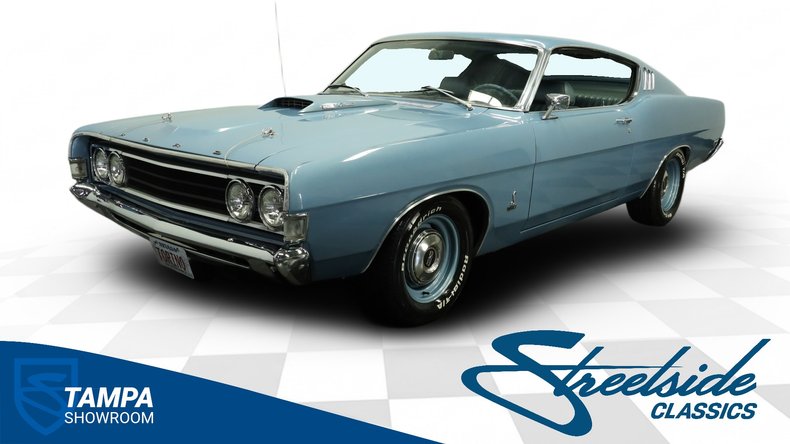
Ford: Torino, 1969, automatic, 108K km, 4,280 cm3, 428 Cobra Jet V8

StreetSideClassics.com
 United States
 United StatesUnited StatesNashville, United States
The Ford Torino evokes the classic muscle car era with its distinctive design and solid performance. Whether you’re eyeing a pristine restoration project or a driver-ready example, knowing what to check helps you make a confident purchase. This guide focuses on common Torino options, including different generations, engine choices, body styles, and how these factors affect price and reliability in your city.
When shopping for a Ford Torino, consider the generation and intended use. Classic Torino models span several years, with variations in design cues, chassis, and interior features. Key elements to verify include the engine type, transmission, and mileage. Most buyers evaluate a Torino by:
Different Torino configurations can drastically affect price and ownership experience. Consider these common dimensions:
Cities around the country offer a mix of classic car communities and garages that specialize in vintage Fords. When negotiating, highlight:
If you’re selling a Torino, stage it as a collectible by presenting a clear history, high-quality photos, and a maintenance log. For buyers, aim for a Torino with solid mechanicals, an honest cosmetic story, and a reliable service history. With careful evaluation, a Ford Torino can be a rewarding addition to any classic car collection.
 Add as preferred sourceSee more from zvelta in Google Search Add as preferred source
