EN
ENDEALER
32.221 US$DEALER
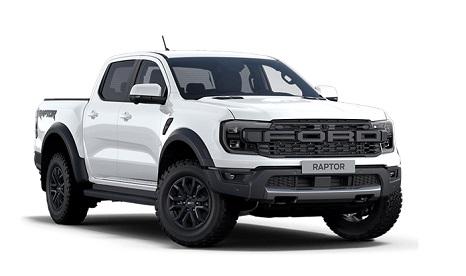
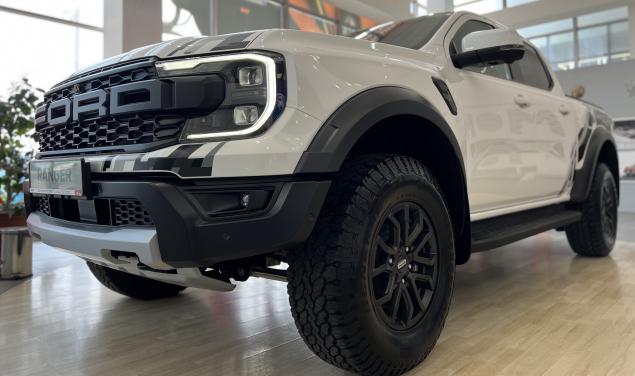
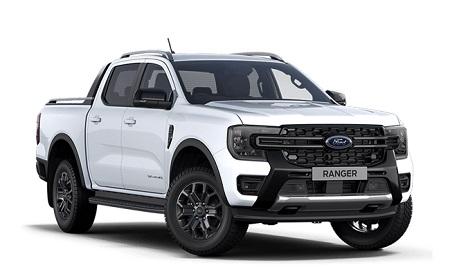
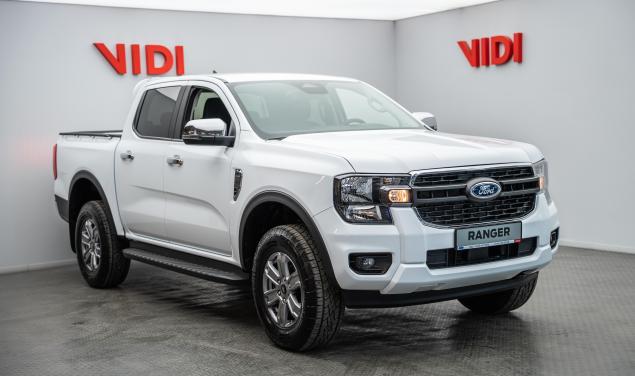
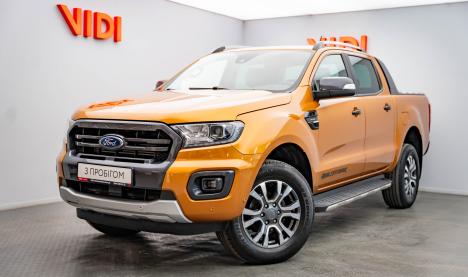
2020, diesel, automatic, 136K km, pickup, All Wheels Drive, 2,000 cm3, 170 hp, Ford Ranger 170 к.с., Used condition, In stock

vidi.ua
 Sofiyivska Borschagivka, Ukraine
 Sofiyivska Borschagivka, UkraineSofiyivska Borschagivka, UkraineSofiyivska Borschagivka, UkraineSofiyivska Borschagivka, UkraineSofiyivska Borschagivka, UkraineSofiyivska Borschagivka, UkraineSofiyivska Borschagivka, UkraineSofiyivska Borschagivka, UkraineSofiyivska Borschagivka, UkraineSofiyivska Borschagivka, UkraineSofiyivska Borschagivka, Ukraine
 UkraineVinnytsya Raion, Ukraine
 UkraineChernivtsi, Ukraine
The Ford Ranger remains one of the most popular pickups thanks to its power and practicality. If you’re considering buying or selling this vehicle, it’s important to consider the generation, engine, body type, and trim level. This guide highlights key considerations to help you choose a configuration, what to check on a test drive, and how to assess the car’s condition across different mileages.
The Ranger is offered in several generations with diesel and petrol engines, displacements of 2.2 L, 2.5 L and 3.2 L, depending on year. In many markets, four-wheel-drive versions are common for off-road use, while the base platform suits city driving. Pay attention to payload capacity, ground clearance and fuel tank capacity.
Pricing depends on year, trim level and mileage. Rangers with a diesel engine and moderate mileage typically fall within market ranges; value increases with complete documentation, service history and absence of major damages. Evaluate suspension, brakes and transmission wear.
The first step to a good deal is to define your budget, expectations and desired configuration, so you can quickly compare market offers and complete a favorable Ford Ranger purchase or sale.
 Add as preferred sourceSee more from zvelta in Google Search Add as preferred source