 EN
ENDEALER
35.995 US$DEALER
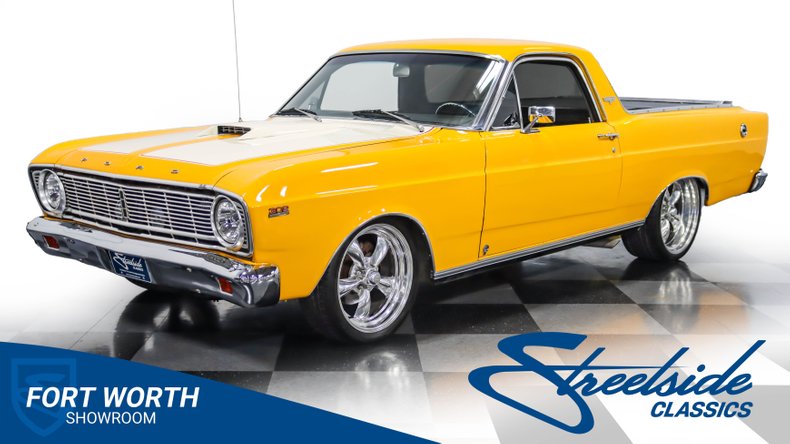
Ford: Ranchero, 1966, automatic, 32K km, 3,020 cm3, 302 V8

StreetSideClassics.com
 United States
 United StatesUnited States
The Ford Ranchero stands out as a practical classic pickup that combines car-like comfort with a pickup’s utility. If you’re considering purchasing or selling a Ranchero, it helps to know the key details that people search for: generation, body style, engine options, country and city market pros and cons, mileage ranges, and typical price segments. Below we cover what matters most when evaluating a Ranchero in a specific area and how to approach bargaining, maintenance, and ownership.
When buyers compare Rancheros, they often start with the generation and year. Earlier models from the 1950s to the 1970s vary significantly in ride quality, interior design, and reliability. Important considerations include:
In your city, consider listing Rancheros with clear details: year, engine, transmission, mileage, and any upgrades or restorations. Typical questions buyers ask include:
Reliability varies by generation and maintenance history. For a prospective buyer, it helps to arrange a pre-purchase inspection focusing on the engine, transmission, brakes, suspension, and rust checks. For a seller, presenting detailed records and a recent service history can significantly improve interest and offer quality.
Whether you’re in search of a classic Ford Ranchero for personal use or aiming to sell a well-kept example, understanding generation-specific traits, maintenance needs, and local market dynamics will help you make informed decisions. By focusing on clear specifications, reliable maintenance history, and transparent communications, buyers and sellers can reach satisfactory outcomes in their city.
 Add as preferred sourceSee more from zvelta in Google Search Add as preferred source