 EN
ENDEALER
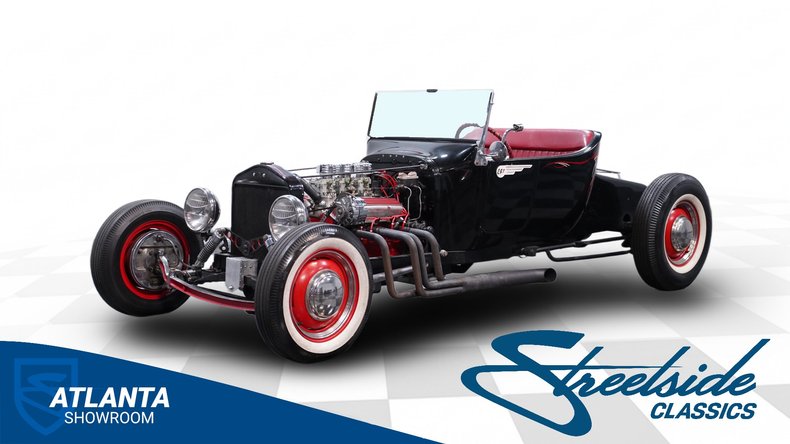
21.995 US$DEALER
Ford: Model T, 1924, automatic, 447 km, 2,830 cm3, 283 V8

StreetSideClassics.com
 United States
 United StatesUnited StatesUnited StatesUnited StatesUnited StatesOnly, United StatesFort Worth, United StatesUnited StatesFort Worth, United StatesPhoenix, United States
The Ford Model T stands as a landmark in automotive history, beloved by collectors and enthusiasts who value its historic design and pioneering engineering. If you’re considering purchasing a Model T or preparing to sell one, it helps to understand the main generations, common configurations, and what buyers typically look for in today’s market. This guide focuses on practical questions buyers and sellers ask, from which engine options appear in different years to how mileage, body style, and condition affect price in regions where classic cars are traded.
When evaluating a Model T, buyers usually consider the year, generation, and body type. Early Runabout and Coupe bodies represent the original era, while later variants may show modifications or restorations. Important details include the engine type (typical inline-four from early Ford designs), transmission, and whether the vehicle has been restored to an original specification or updated with period-correct components. Beside authenticity, practical concerns such as ease of parts availability, maintenance requirements, and driving reliability influence decisions. A common starting point is to compare price brackets by year and condition and to ask for service history and restoration documentation.
For buyers and sellers, it helps to categorize Model T cars by body type and use case. Roadworthy touring, Runabout, and substantiated road-ready restorations represent common categories. When comparing, look at:
If you’re buying, target listings that specify year, model, and maintenance history, and request a test drive if possible. For sellers, presenting a complete dossier with restoration details, parts provenance, and a clear title can help invite serious offers. In markets where classic cars are traded, price segments often reflect overall condition, originality, and desirability of the specific year or body style. By arranging a transparent dialogue and providing verifiable history, you increase confidence among potential buyers.
Whether you’re curious about the Ford Model T’s enduring charm or intending to place an ad for a well-preserved example, understanding these factors helps you navigate the classic car market with clarity and confidence.
 Add as preferred sourceSee more from zvelta in Google Search Add as preferred source


