 EN
ENDEALER
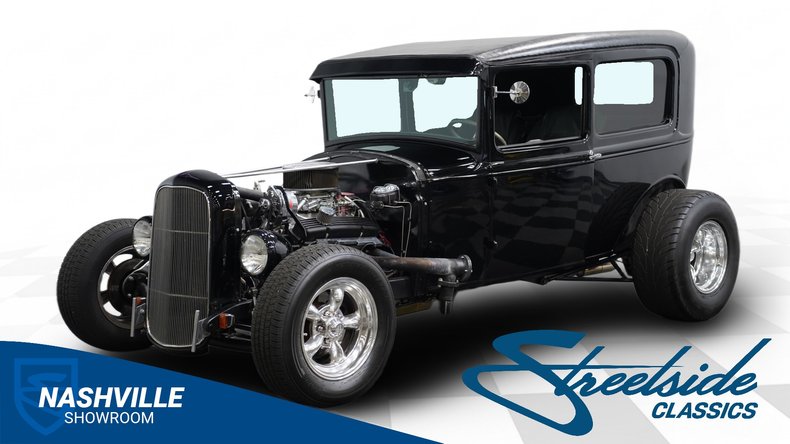
38.995 US$DEALER
Ford: Model A, 1931, automatic, 27K km, 5,700 cm3, 5.7L V8

StreetSideClassics.com
 United States
 United StatesOnly, United StatesUnited StatesUnited StatesUnited StatesUnited StatesUnited StatesUnited StatesUnited StatesUnited StatesUnited StatesUnited StatesUnited StatesAtlanta, United StatesOnly, United StatesFort Worth, United States
The Ford Model A has long sparked interest among buyers who want a classic look with practical modern-day reliability. If you’re considering a Ford Model A, whether you’re upgrading from another classic or seeking your first collectible, it helps to know what to look for in your country, city, and local market. Below we cover how to pick the right generation, which engine options are common, and how to compare prices and conditions for Ford Model A sedans, coupes, or roadsters.
The Model A comes in several generations, each with its own strengths. Common body types include sedan, coupe, and roadster. When you’re shopping, pay attention to the year and mileage, since these impact both performance and value. In many markets, you’ll find examples with practical four-cylinder engines that balance maintenance costs with driving enjoyment. If you plan longer trips, you may want institutions with historical paperwork and documented restorations.
Prices for Ford Model A cars vary by country and city, depending on condition, originality, and any upgrades. A practical approach is to separate listings into your budget segments, then evaluate the essentials:
Key factors you’ll likely consider include: engine choice (classic flathead or updated four-cylinder), transmission type, upholstery, originality of parts, and whether air conditioning or modern safety upgrades are present. When comparing vehicles, ask about fuel type options and how they affect daily use and maintenance costs in your area.
Buying a Ford Model A is as much about passion as practical execution. Here are quick tips to help you make a solid choice in your city:
If you’re planning to sell later, prepare a concise history of maintenance, document restorations, and present a clear road-test record. A well-described car with honest photos and a fair asking price tends to attract serious buyers faster.
Whether you’re searching for a driver-quality classic or a collectible Ford Model A, understanding the model’s generations, configurations, and local price dynamics will help you make a confident choice and a smooth deal.
 Add as preferred sourceSee more from zvelta in Google Search Add as preferred source


