EN
ENDEALER

6.175 US$DEALER
2017, gasoline, manual, 117K km, Front Wheels Drive, 86 hp

notadir.benni.is
 Iceland
 Iceland
 Spain, Castille and LeónSpain, Castille and León
 Netherlands
 Romania, Mureș County
 Romania, Bacău County
 Romania, Prahova
 Bulgaria, Sofia
 Greece, AtticaGreece, AtticaGreece, AtticaGreece, AtticaGreece, AtticaGreece, Attica
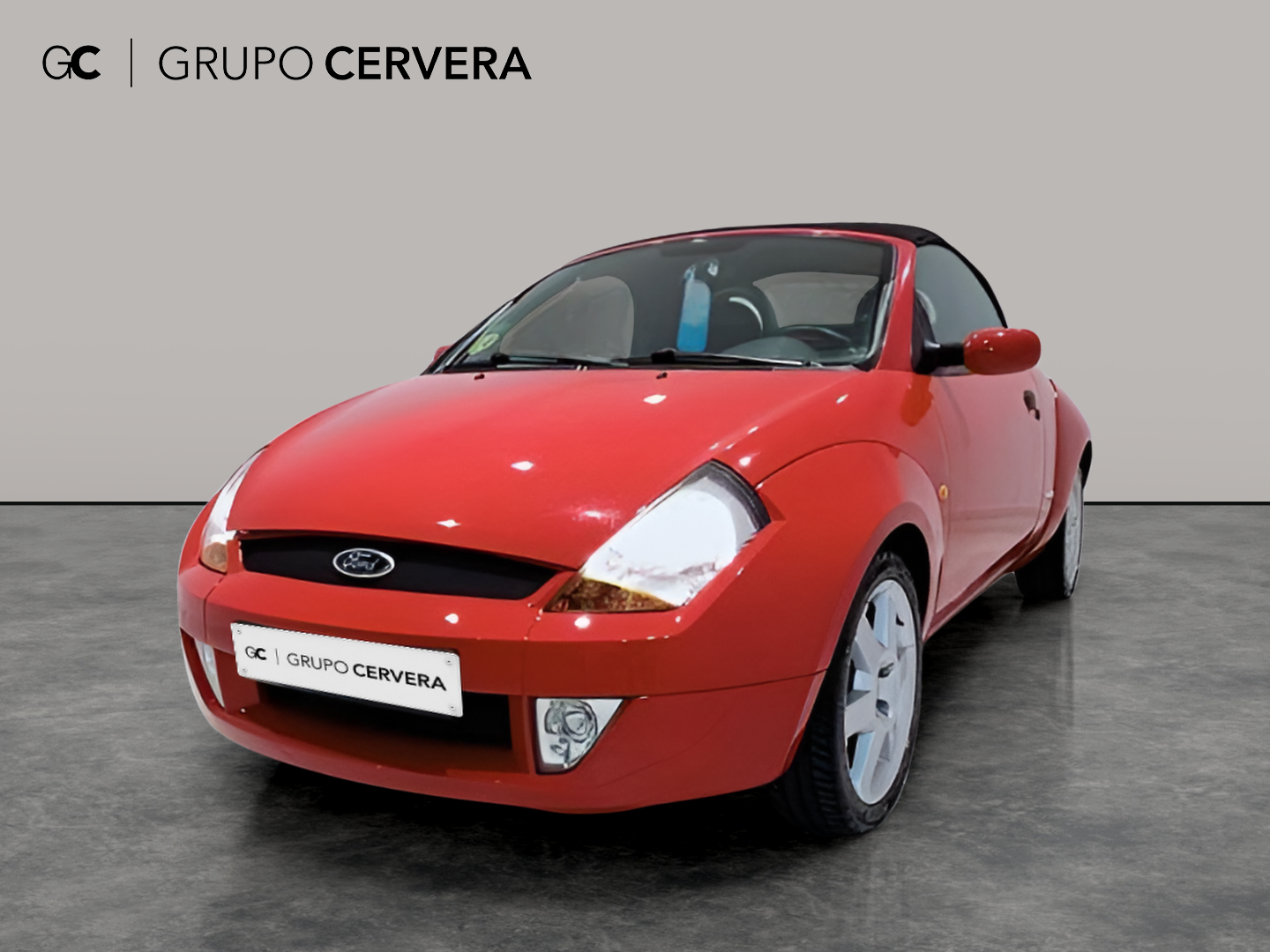
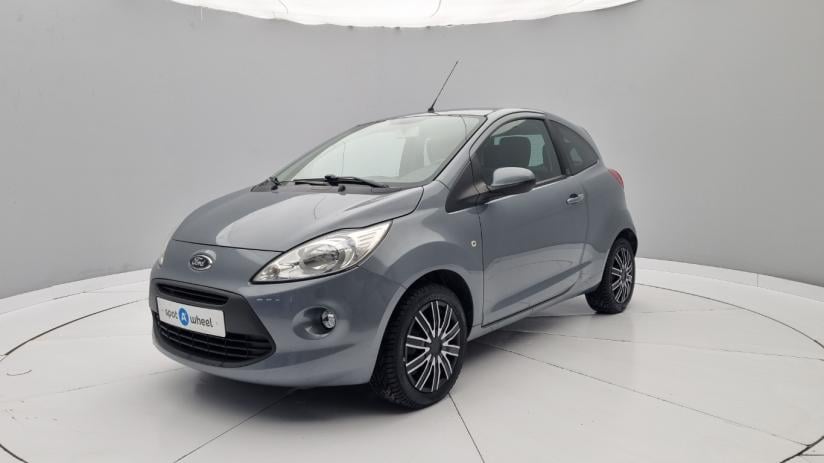
The Ford KA has long been a staple for urban driving, offering compact dimensions, easy maneuverability, and reliable everyday usability. If you’re in the market to buy or sell a Ford KA, understanding the details that influence value and comfort can make a big difference. This guide covers key aspects like model generations, fuel options, body styles, typical price ranges, and practical tips for navigating the market in your city.
The KA line has gone through several generations, each with its own quirks and strengths. When evaluating a car, start with the year and mileage, as these two factors heavily influence price and reliability. Common fuel configurations include petrol engines that emphasize low running costs, which is a top priority for city commuters. If you’re looking at newer used KA models, you may encounter mild-hybrid variants that improve fuel efficiency in stop-and-go traffic. For buyers, prioritize a well-documented service history and evidence of regular maintenance, especially for components like the suspension and brakes that impact daily drivability in city streets.
Body styles for the Ford KA typically focus on hatchback practicality, with compact footprints that help with parking and urban navigation. In many markets, the KA remains a popular option in the subcompact segment due to its light steering, tight turning radius, and affordable ownership. When comparing prices, consider the total cost of ownership—fuel, insurance, and potential repair costs—alongside purchase price. For sellers, highlighting low mileage, clean interiors, and a full maintenance log can make a KA more appealing to buyers who prioritize reliability and ease of use in dense city environments.
Prospective buyers should inspect corridors of common wear: tires with adequate tread, brakes that show consistent responsiveness, and the engine bay for any signs of leaks. A quick test drive should cover smooth acceleration, steady idle, and functioning air conditioning, all of which contribute to a comfortable city ride. For the interior, check for well-preserved seats, intact upholstery, and a clear instrument panel. Vehicle history reports can reveal past accidents or title issues that affect value.
For sellers, presenting a KA in good condition with up-to-date maintenance records can justify a higher asking price within its segment. Provide photos of the engine bay, trunk space, and any recent service receipts. Be prepared to answer questions about fuel economy, typical maintenance intervals, and known recalls or advisories for the chosen generation. In competitive markets, a well-documented history and a reasonable price based on mileage can help you stand out to buyers who need a dependable city car.
Prices for the Ford KA vary by country and city, but you’ll often see subcompact city-car pricing influenced by mileage, year, and overall condition. If you live in a busy metropolitan area, prioritize models with efficient fuel consumption and reliable air conditioning. For rural or suburban areas, a KA with a larger storage space and comfortable seating might be more appealing for family errands. When evaluating listings, compare similar years and mileage to gauge fair market value, and consider optional equipment like heated seats or upgraded audio as value adds that can impact resale price.
In short, whether you’re buying or selling a Ford KA, focus on maintenance history, mileage, and condition to determine a fair price. With its compact size and urban-friendly design, the KA remains a sensible choice for city driving, offering an approachable ownership experience and a straightforward selling proposition for a quick, confident transaction.
 Add as preferred sourceSee more from zvelta in Google Search Add as preferred source