EN
ENDEALER
2.019.346 RUBDEALER
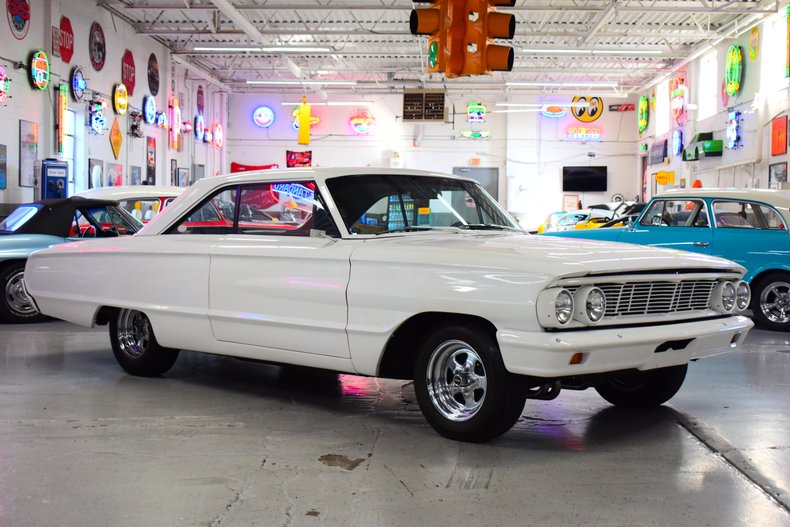
automatic, 15K km, coupe, 3,900 cm3, white, 390 V8

Inventory.ClassicSandBeyond.com
 Wayne, United States
 Wayne, United StatesWayne, United States
 Tampa, United StatesUnited StatesCharlotte, United StatesUnited States
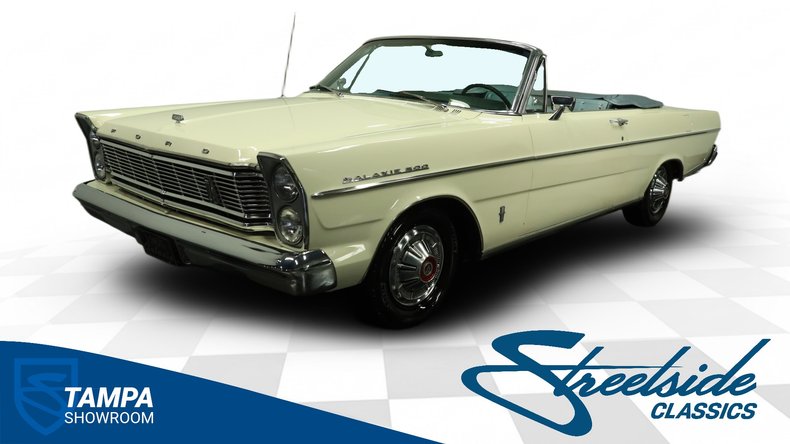
The Ford Galaxie has long been a staple for classic car enthusiasts and practical buyers alike. If you’re in the market for a Ford Galaxie, whether you’re aiming to restore a vintage gem or find a well-kept cruiser, understanding the key details helps you make a confident decision. In this guide, you’ll discover how to choose the right generation, what to expect in terms of fuel type and body style, and how local markets in your city shape price and availability.
When browsing Ford Galaxie models, the generation and body type matter as much as condition and mileage. Common options include sedans and coupes with V8 or inline engines that define the driving feel. Consider your goals: daily driving, weekend cruising, or a collector’s project will influence whether you prioritize a later generation with smoother steering and updated interiors or a classic early model with authentic period details.
Prices for a Ford Galaxie can vary by year, condition, and originality. Typical factors include mileage, restoration needs, and whether the car retains its original drivetrain and interior. In urban markets, you’ll find a mix of partially restored projects and well-preserved examples. Always verify the car’s history and service records.
Whether you’re purchasing for enjoyment or putting one on the market, a clear plan helps maximize value. For buyers, prepare a checklist: inspect exterior and undercarriage, verify the VIN and title status, and test drive for mechanical feel. For sellers, gather maintenance receipts, document any restoration work, and present a fair, transparent price expectation based on recent comparable sales.
In summary, a Ford Galaxie can be a rewarding purchase or sale if you align your choice with generation, body type, and local market conditions. By researching typical mileage ranges, understanding how fuel choices affect running costs, and comparing similar listings in your city, you’ll navigate the market more effectively and arrive at a confident decision.
 Add as preferred sourceSee more from zvelta in Google Search Add as preferred source