 EN
ENDEALER

13.596 US$DEALER
13.686 US$
173K km, Used condition, Canada, In stock

EchoPark.com
 Macedonia, United States
 Macedonia, United StatesPensacola, United States
 United States
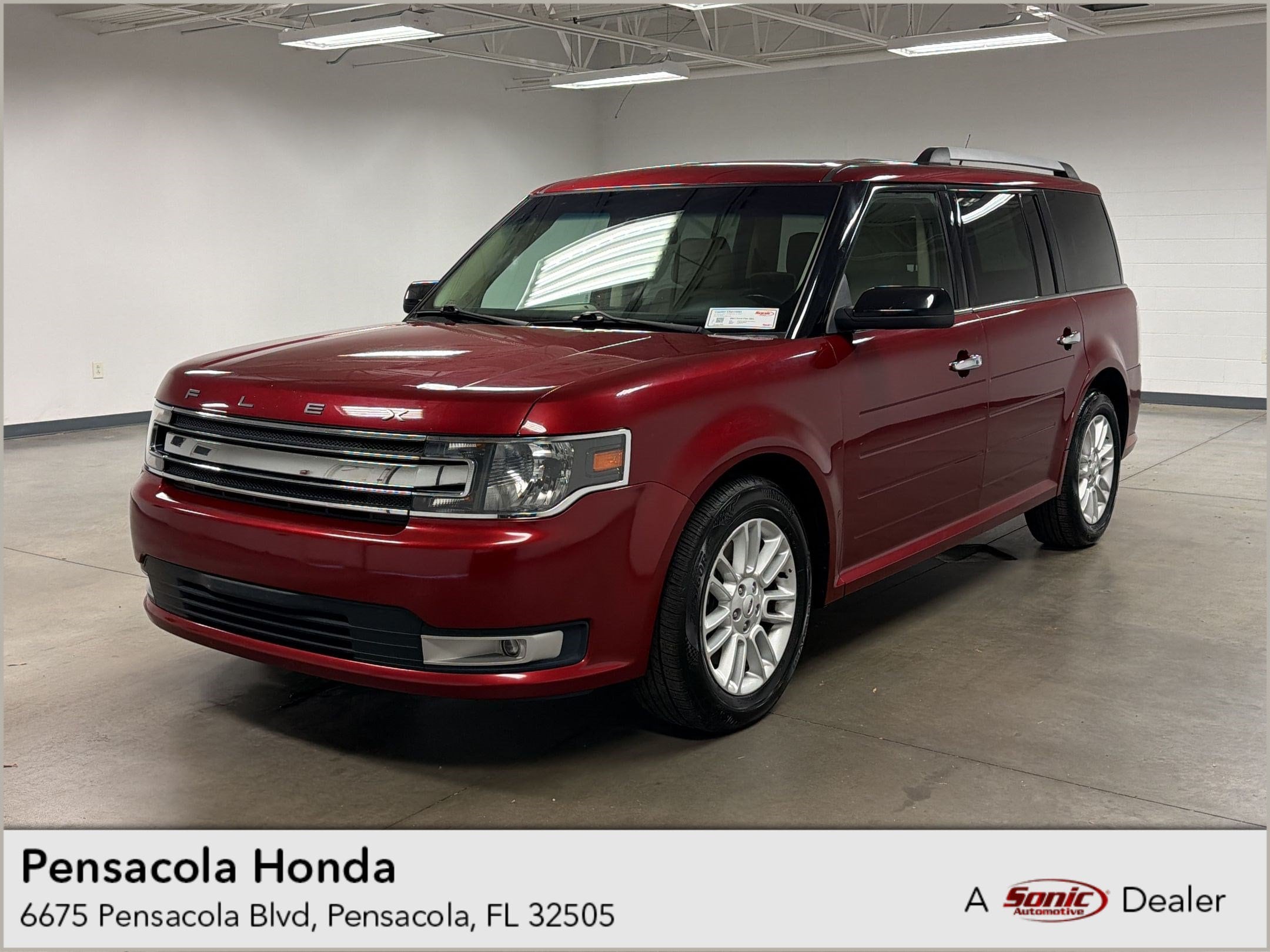
The Ford Flex stands out in the midsize SUV segment with a practical, boxy design and roomy interior. If you’re considering buying or selling a Ford Flex, understanding its generations, engines, and typical price ranges helps you make a smart decision in today’s market. This guide focuses on Ford Flex models commonly found in urban areas such as major cities across the country, and it covers key factors like year, mileage, fuel type, body style, and typical price segments to help you compare options and negotiate confidently.
When evaluating a Ford Flex, collectors and everyday buyers alike look at several essentials. First, identify the generation: the first and second generations share core DNA but differ in styling and sometimes drivetrain choices. The model year can indicate updates in safety features, infotainment, and efficiency. Next, confirm the fuel type, with most Flex models offering gasoline powertrains, and some trims prioritizing efficiency with optimized transmissions. Consider the body type and seating layout—two rows of power, space for up to seven passengers in several configurations, and a cargo-friendly rear.
For price expectations, segment your search by city and country, then refine by mileage. Typical owners report reliable highway miles and practical daily usability, but you should inspect for common wear on seats, suspension, and tires from urban driving. When comparing, note maintenance history, service records, and whether recent battery or alternator work was performed. A certified pre-owned option can add value with warranty coverage.
If you’re selling, present a clear service record, clean interior and exterior, and a complete history report. Highlight features like the flexible seating arrangements, cargo space, and any recent maintenance such as brake jobs or tire replacement. High-quality photos from multiple angles help attract interest, and a transparent description with known issues builds trust with buyers in your market.
Whether you’re buying or selling a Ford Flex, focusing on the model year, generation, mileage, and local market prices will help you make informed decisions. By understanding your city’s price range and the typical features offered in your preferred fuel type and body style, you can confidently compare options and close a fair deal.
 Add as preferred sourceSee more from zvelta in Google Search Add as preferred source