EN
ENDEALER
52.995 US$DEALER
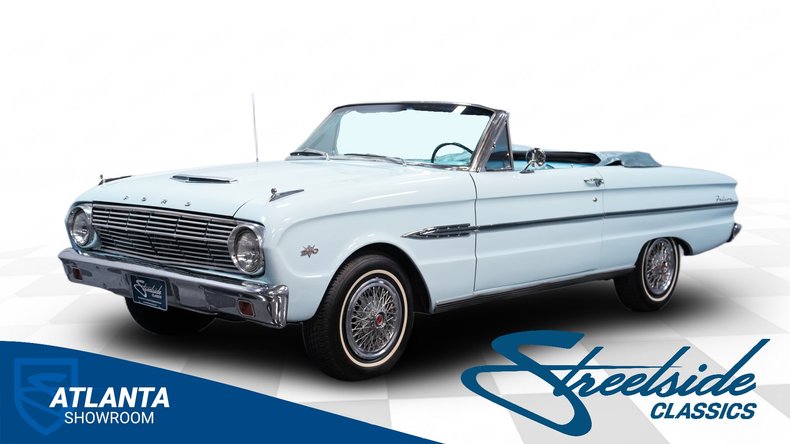
Ford: Falcon, automatic, 19K km, 4,290 cm3, 429 Cobra Jet V8

StreetSideClassics.com
 Fort Worth, United States
 Fort Worth, United StatesAtlanta, United StatesTampa, United States
The Ford Falcon has a long-standing reputation in markets where this iconic model has made its mark. If you’re considering buying or selling a Ford Falcon, understanding the key factors—generation, year, mileage, engine options, and body style—helps you make a smarter decision. Whether you’re eyeing a hatchback, sedan, or coupe, this guide covers what matters most in a Falcon purchase in your city and country, including price ranges, common reliability notes, and practical tips for sellers.
The Falcon’s appeal often stems from its classic design and versatile configurations. When browsing, you’ll encounter different generations that influence performance and upkeep. Look for the model year, generation number, and whether the car has been driven mainly in urban settings or on highways. Fans and new buyers alike seek details about engine type, transmission, fuel options, and how the Falcon handles daily commutes or weekend drives. If you’re shopping in major cities, you’ll notice price variations based on condition, mileage, and whether the vehicle is kept in a dry climate or a region with heavier road use.
If you’re pricing a Falcon for sale, set a competitive range based on year, generation, mileage, and overall condition. High-demand configurations (good drivetrain, original parts, clean interior) tend to attract more buyers. For buyers, aim to negotiate within a realistic window that reflects market data, local demand, and any needed repairs. Using transparent information about history and recent maintenance can help both sides reach a fair agreement quickly.
Choosing a Ford Falcon involves weighing classic appeal against practical factors like reliability, parts availability, and maintenance costs. By focusing on the generation, engine choice, body style, and local market conditions, you’ll make a confident decision whether you’re buying for daily use, collection, or resale.
 Add as preferred sourceSee more from zvelta in Google Search Add as preferred source