EN
ENDEALER

42.995 US$DEALER
44.995 US$
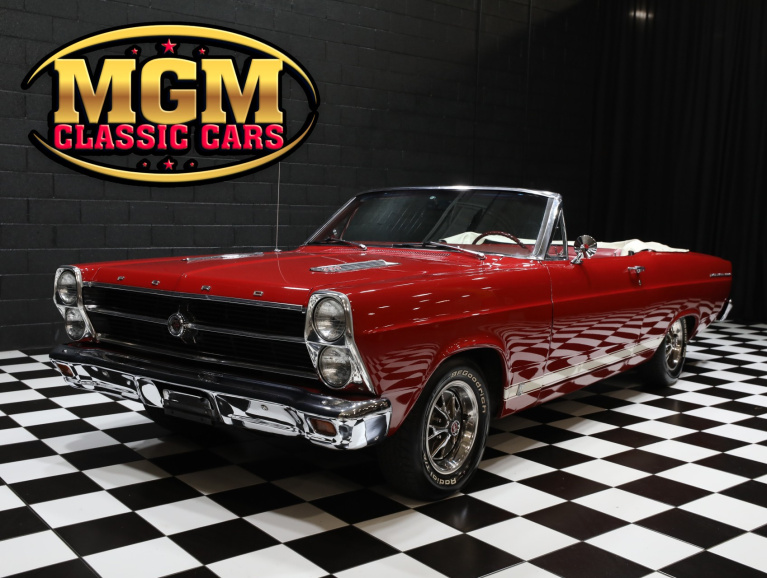
automatic, 160K km, cabriolet, 3,120 cm3, 312 V8

Inventory.ClassicSandBeyond.com
 Wayne, United States
 Wayne, United StatesWayne, United States
 United StatesAtlanta, United StatesCharlotte, United StatesUnited StatesFort Worth, United StatesUnited StatesUnited StatesCharlotte, United StatesPhoenix, United StatesAtlanta, United StatesPhoenix, United StatesPhoenix, United StatesUnited StatesOnly, United StatesUnited StatesUnited StatesUnited StatesFort Worth, United StatesCharlotte, United States
 United States
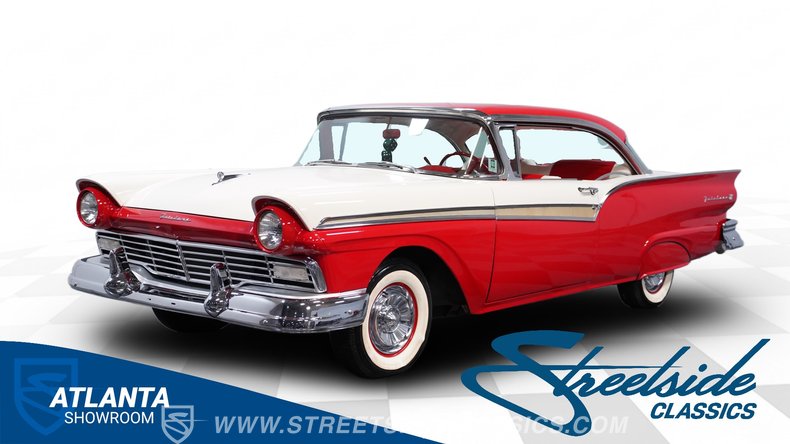
The Ford Fairlane has long been a recognizable name in the world of classic cars, offering a blend of retro styling and dependable American engineering. If you’re considering purchasing a Ford Fairlane, whether as a collector or a daily driver, it helps to understand the key factors that influence value and usability. This guide walks you through generations, fuel options, body styles, and practical tips for buying or selling this iconic model in your area.
Ford Fairlane generations vary by era, but common threads remain: mid-size to full-size sedans with straightforward, durable mechanics. When evaluating a pickup or passenger sedan, consider the year and model range to gauge parts availability and maintenance needs. Early generations often feature simpler engines and rear- or rear-drive layouts that are easy to service. Later variants may offer refined interiors and updated electronics, but can also introduce higher maintenance costs. Typical body types include two-door and four-door sedans, with occasional wagon variants depending on the market.
Engine choices for the Fairlane can affect reliability and running costs. Common engines include V8s and inline-sixes, with carbureted or early fuel-injected setups in some markets. When comparing options, consider:
Body condition is a primary determinant of value for the Fairlane. Buyers should inspect rust on the frame, rockers, and lower panels, as well as the trunk floor and door bottoms. Mileage on classic cars is less predictive than overall condition and service history, but high-mileage examples require scrutiny of engine wear, transmission, and suspension components. A well-documented car with receipts for restorations or maintenance can be a strong choice in markets with active classic-car communities.
Prices for Ford Fairlane models can vary by year, mileage, and condition, as well as local demand for classic American cars. In many cities, you’ll encounter:
When negotiating, be prepared with a clear history, a mechanical inspection report, and an estimate of upcoming maintenance needs. If you’re selling, highlight rare features, restoration quality, and a thorough maintenance log to attract enthusiasts and collectors in your region.
 Add as preferred sourceSee more from zvelta in Google Search Add as preferred source