EN
ENDEALER
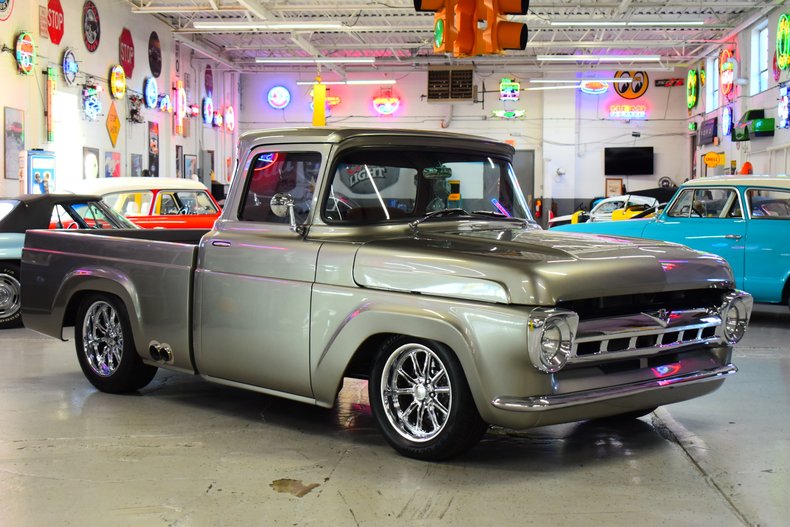
79.995 US$DEALER
automatic, 483 km, pickup, 3,020 cm3, grey, 302 V8

Inventory.ClassicSandBeyond.com
 Wayne, United States
 Wayne, United States
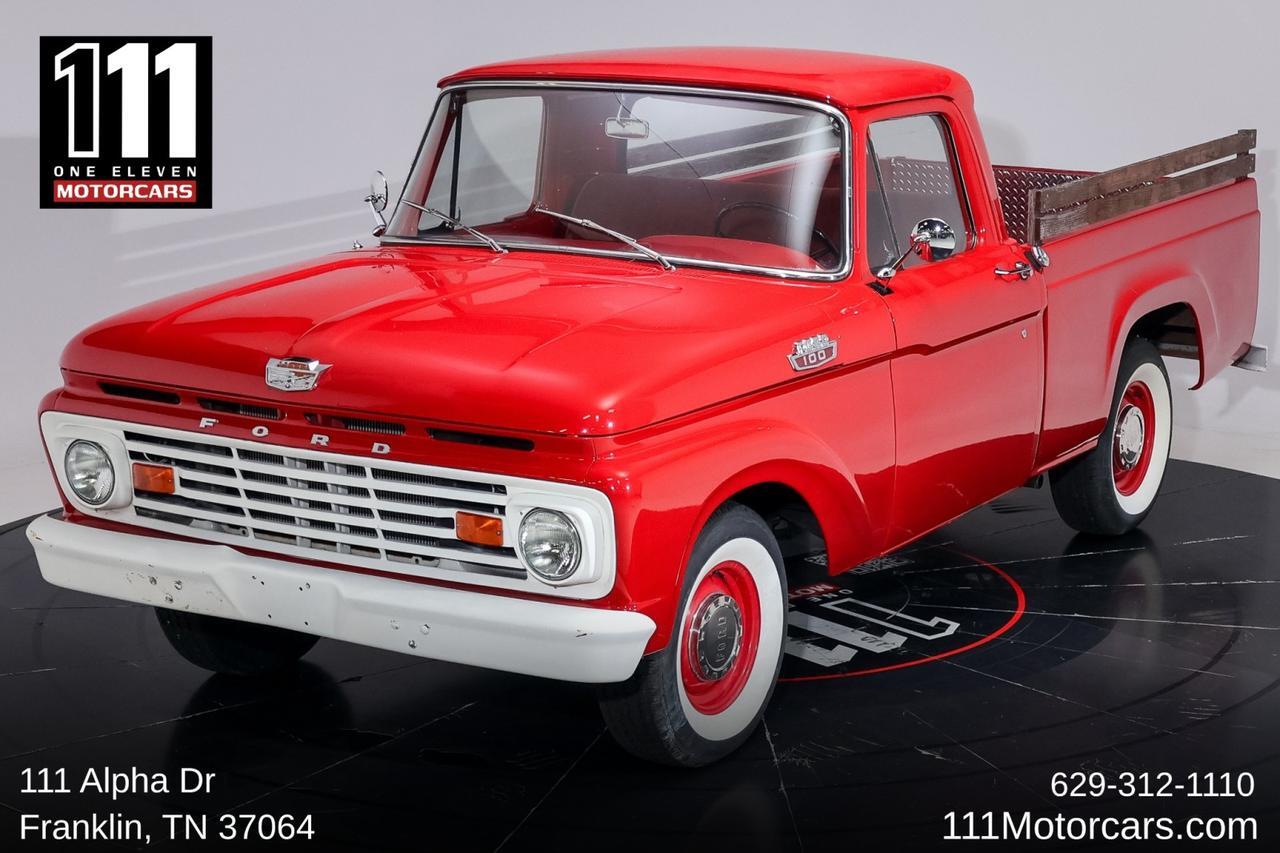
 Franklin, United States
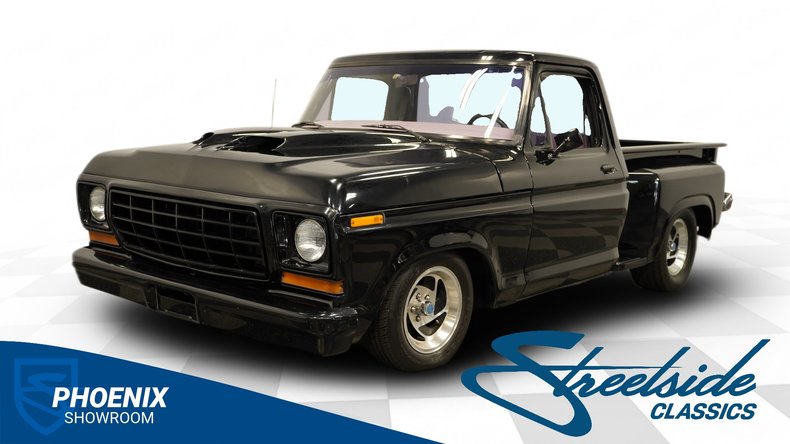
 Phoenix, United StatesUnited StatesUnited StatesUnited StatesUnited StatesUnited StatesUnited StatesUnited StatesUnited StatesUnited StatesCharlotte, United StatesUnited StatesAtlanta, United StatesUnited StatesOnly, United StatesUnited StatesUnited StatesFort Worth, United StatesUnited StatesUnited StatesUnited StatesUnited States
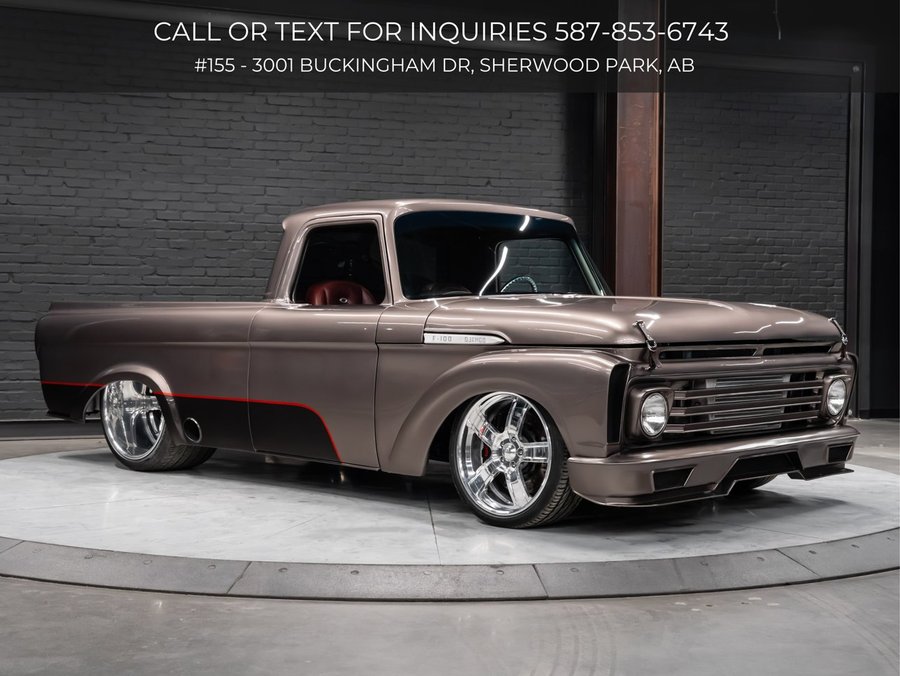
 Sherwood Park, Canada
If you’re considering a Ford F100, you’re likely chasing a classic pickup that blends rugged appeal with practical utility. Whether you want to own a restored icon or find a reliable daily driver with that vintage vibe, understanding the key details—brand reputation, model history, generation differences, fuel options, body styles, and local market realities—helps you make a smart decision. This guide breaks down what to look for when buying or selling a Ford F100, with a focus on typical buyers’ questions and practical steps to assess condition and value.
The Ford F100 sits in a historic line of pickups known for their sturdy build and simple, durable technology. Depending on the year, you may encounter variations in engine choices, transmission options, and body configurations. When shopping, pay attention to the generation, as earlier models emphasize straightforward mechanicals while later revisions may offer more convenient features. Common configurations include regular cab and extended cab bodies, with bed lengths suited to cargo and hobby usage alike. From a buyer’s perspective, the key attributes to compare are year, mileage, number of owners, and service history.
When you narrow down your options, compare vehicles offered in your area by price segment, which often ranges from entry-level classics to well-maintained, higher-value examples. In many markets, the Ford F100 belongs to a collectible or enthusiast segment, where values can vary widely based on restoration quality, originality, and provenance. Consider the total ownership costs, including insurance, parts availability, and maintenance expertise suitable for older technology.
If you are planning to sell a Ford F100, highlight the same attributes that attract buyers: clean mechanicals, a thorough service history, and a presentable, rust-free body. High-quality photos, a detailed description of upgrades or restorations, and a transparent price justification can help you reach interested buyers faster.
Owners often choose the F100 for its timeless design, straightforward mechanicals, and the charm of a classic pickup that remains practical for weekends, light hauling, or club events. When evaluating market value, assess the model year, mileage, and condition, then compare similar examples in your city to set a fair, competitive price. Whether you’re buying for personal use or as an investment, a well-preserved Ford F100 can deliver reliable satisfaction with the right upkeep.
 Add as preferred sourceSee more from zvelta in Google Search Add as preferred source