EN
ENDEALER
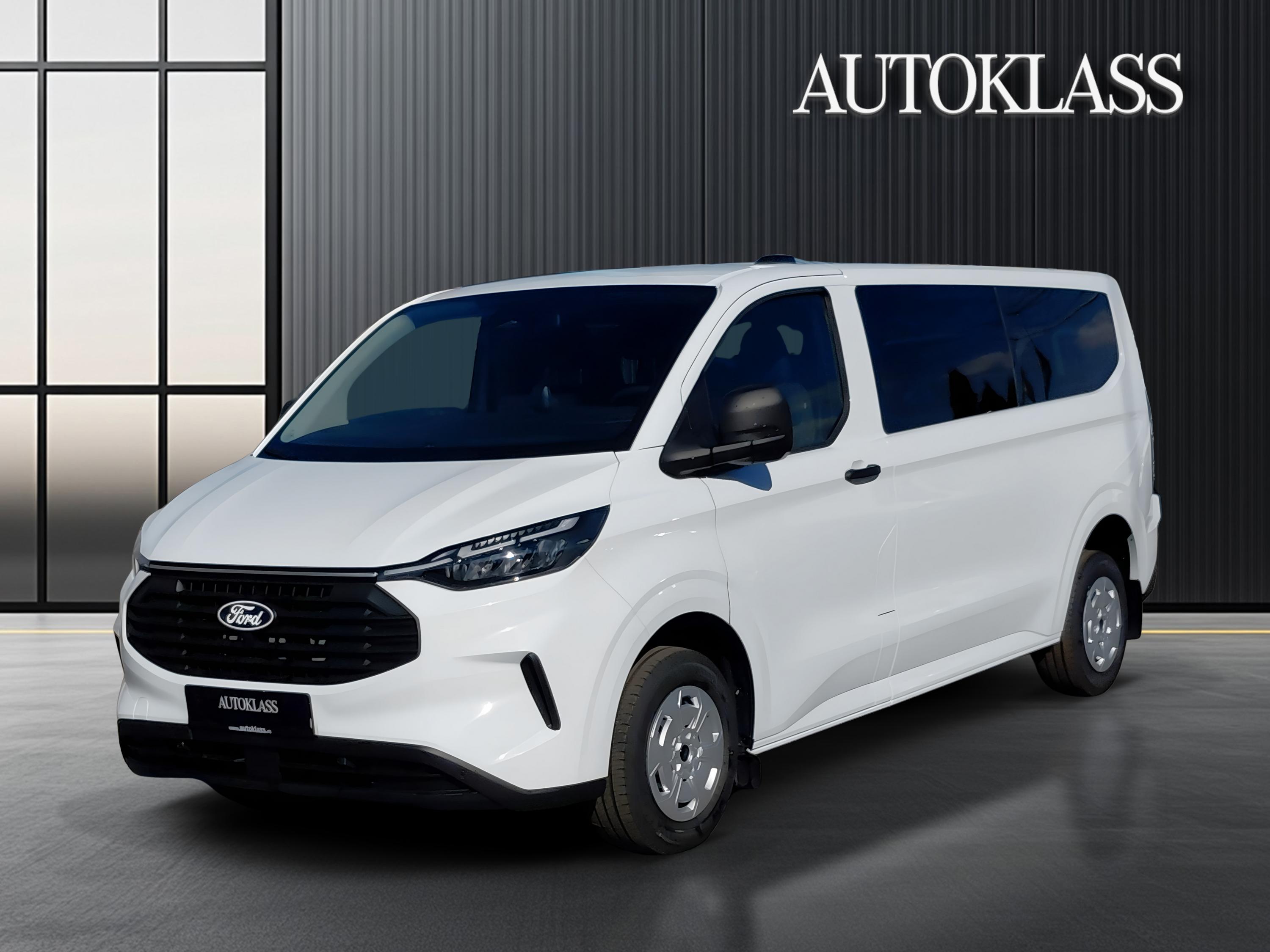
44.297 US$DEALER
45.398 US$
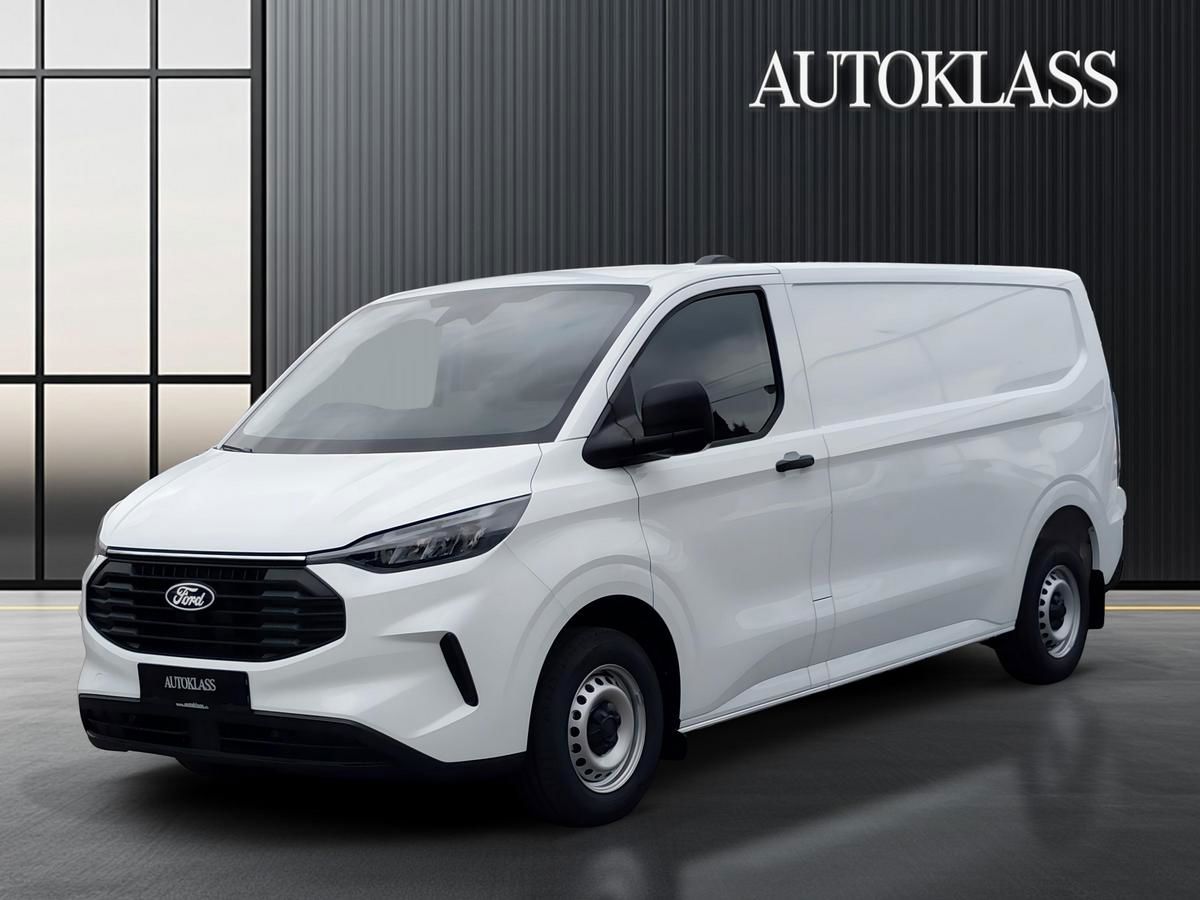
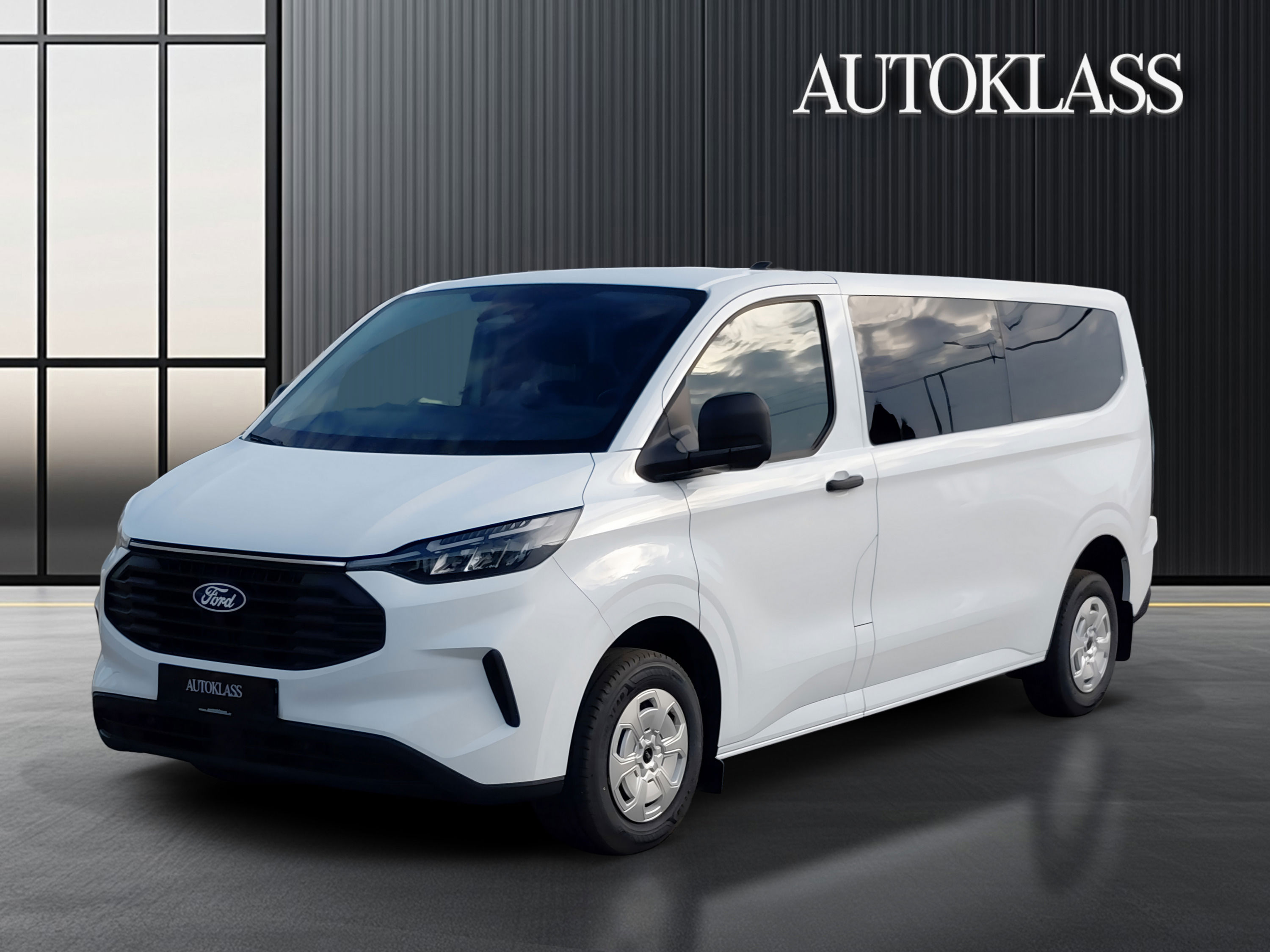
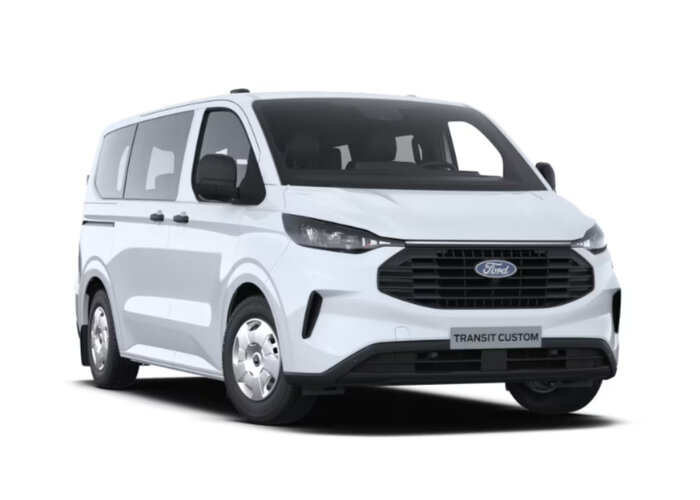
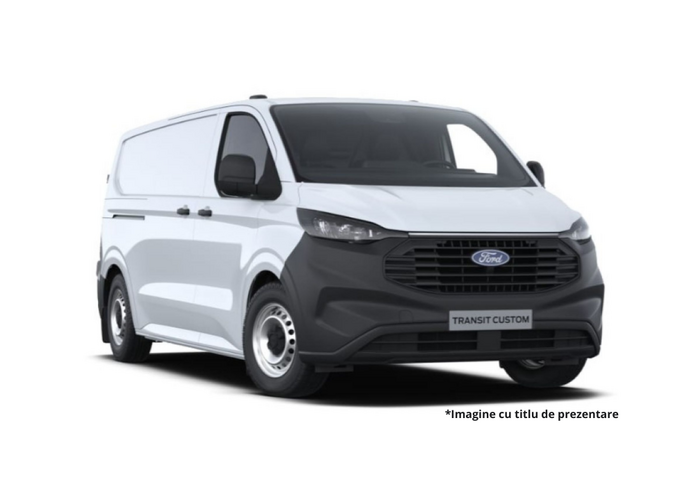
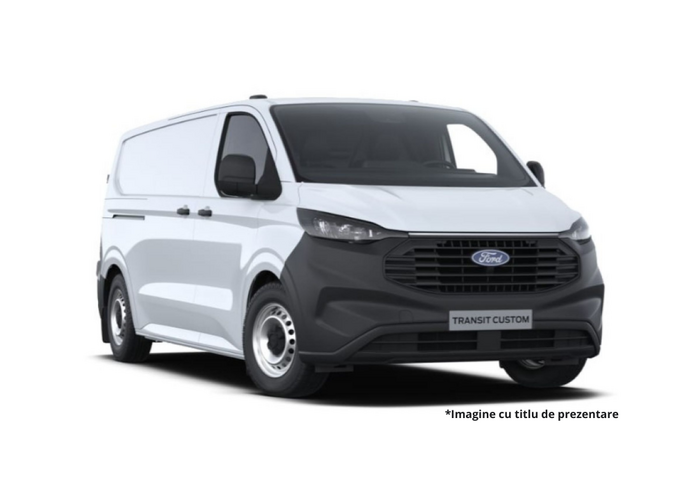
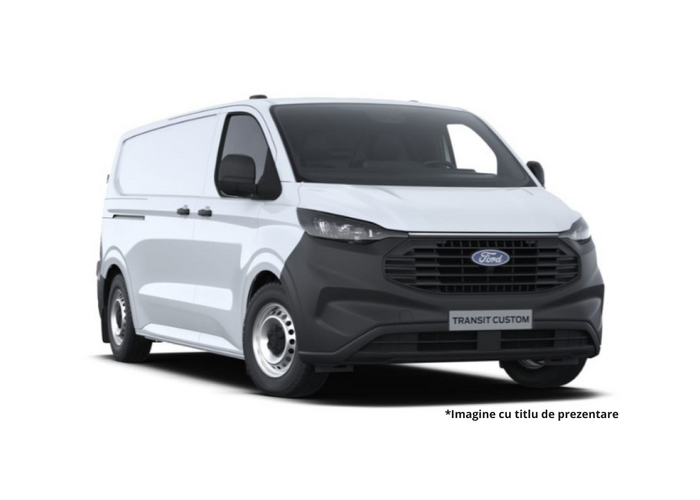
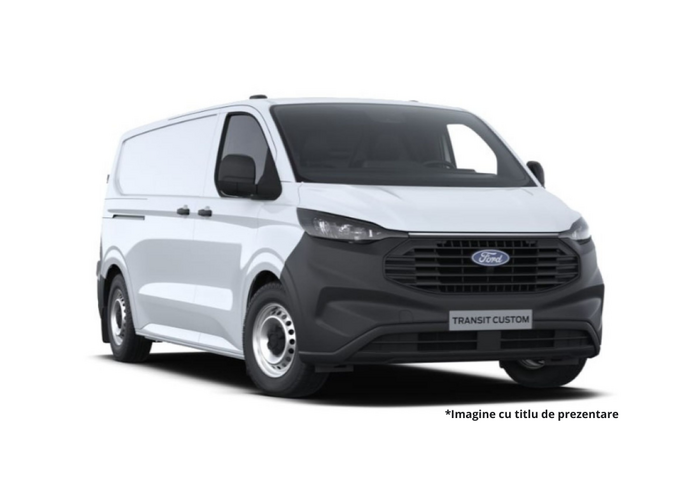
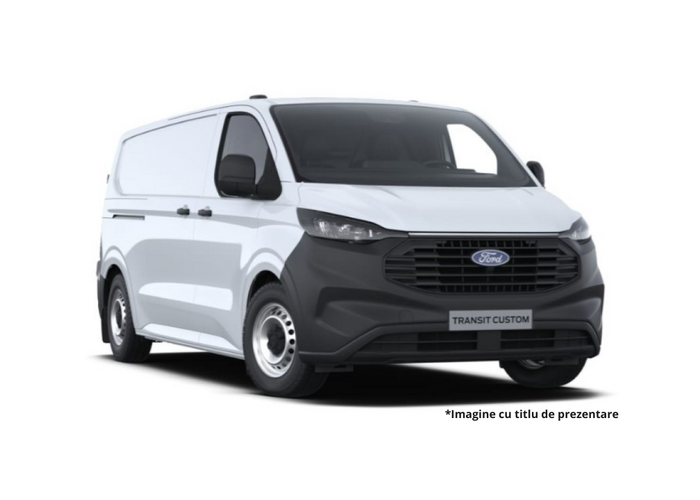
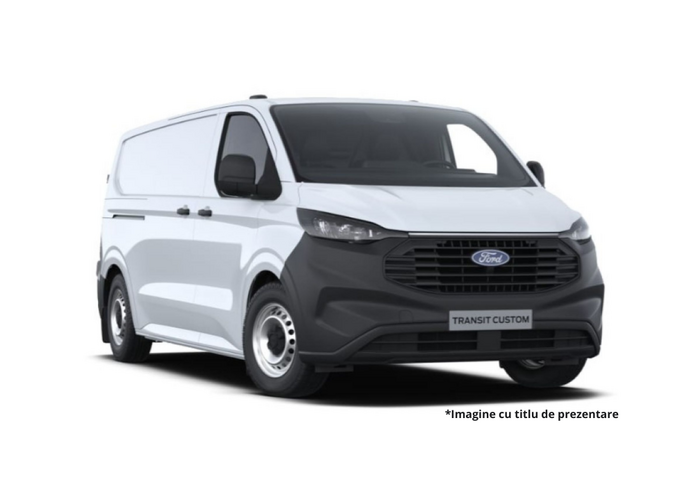
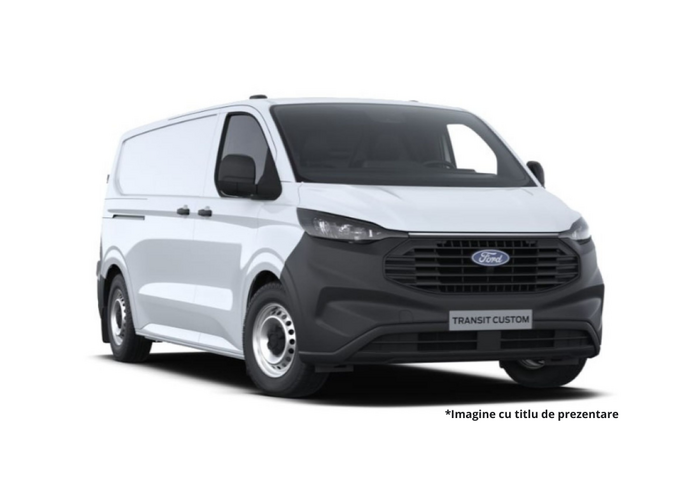
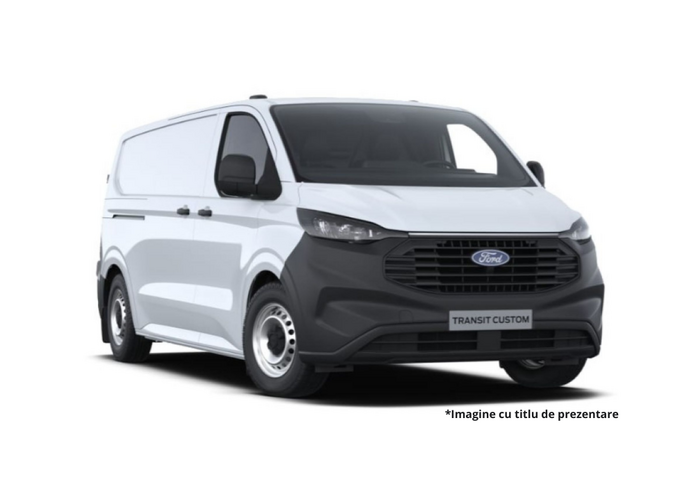
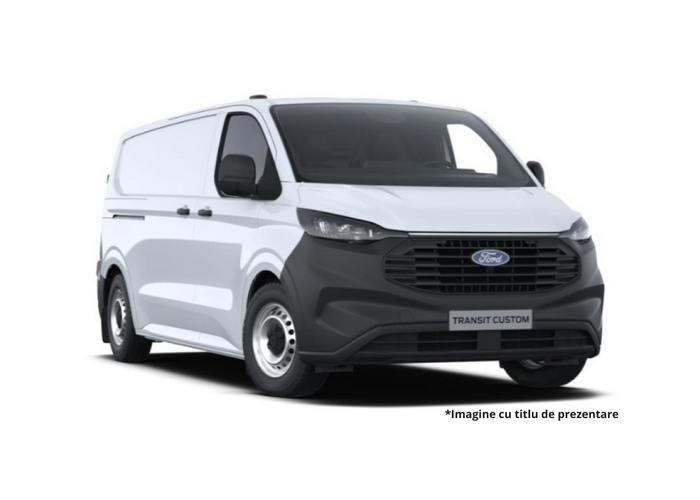
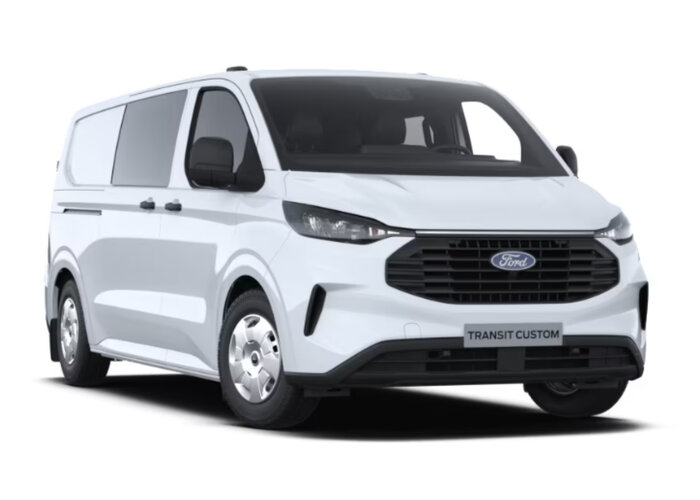
2026, diesel, manual, 16 km, Front Wheels Drive, 1,996 cm3, 136 hp

AutoKlass.ro
 Turnişor, Romania
 Turnişor, RomaniaTurnişor, RomaniaTurnişor, Romania
 RomaniaRomaniaRomaniaRomaniaRomaniaRomaniaRomaniaRomaniaRomaniaRomaniaRomaniaRomaniaRomaniaRomaniaRomaniaRomaniaRomaniaRomaniaRomaniaRomaniaRomaniaRomania
If you’re in the market for a versatile family or cargo van, the Ford Custom stands out for its practical interior, reliable drivetrain, and towing capability. This guide helps you navigate choosing, comparing, and negotiating a Ford Custom across different generations, fuel types, and configurations. Whether you’re looking at a budget-friendly used model or a newer variant, you’ll find tips to assess value, condition, and long-term cost.
The Ford Custom is typically offered in a variety of body styles, with options aimed at families, trades, and shuttle services. Key aspects to consider include the generation, year, mileage, and overall maintenance history. Common factors that influence price and ownership experience are the engine choice, fuel type (diesel or petrol), and whether the van has been used for passenger transport or cargo. When you search in cities or countries with strong van markets, you’ll see a range of trims and configurations that affect space, comfort, and payload.
When you’re shopping in real markets, compare models by generation, year, and mileage. A recent generation with careful maintenance often commands a higher price but offers better fuel efficiency and modern features. Use practical benchmarks for price ranges by city and country, taking into account local taxes, insurance, and maintenance costs.
If you’re listing a Ford Custom, highlight the generation, year, mileage, fuel type, and body configuration. Clear photos showing interior space, cargo area, and key features help buyers assess suitability. Be transparent about any issues and provide maintenance records to build trust. Competitive pricing based on comparable models in your country or city can speed up the sale while maximizing value.
Whether you’re buying or selling, understanding the Ford Custom’s variations and market expectations in your area will help you make a smarter decision. Focus on the most important details—generation, year, mileage, fuel type, and body configuration—and you’ll be better prepared to negotiate, compare, and close a deal.
 Add as preferred sourceSee more from zvelta in Google Search Add as preferred source