EN
ENDEALER

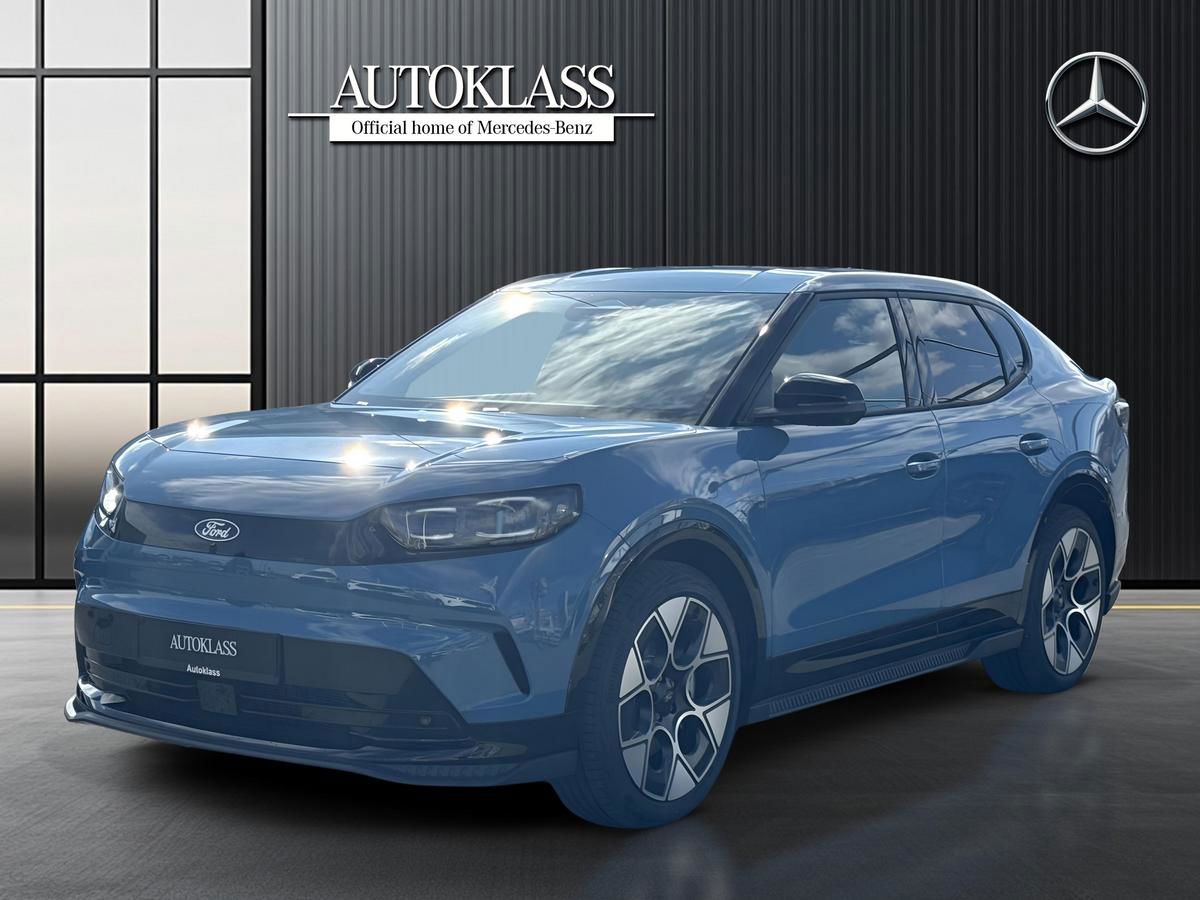
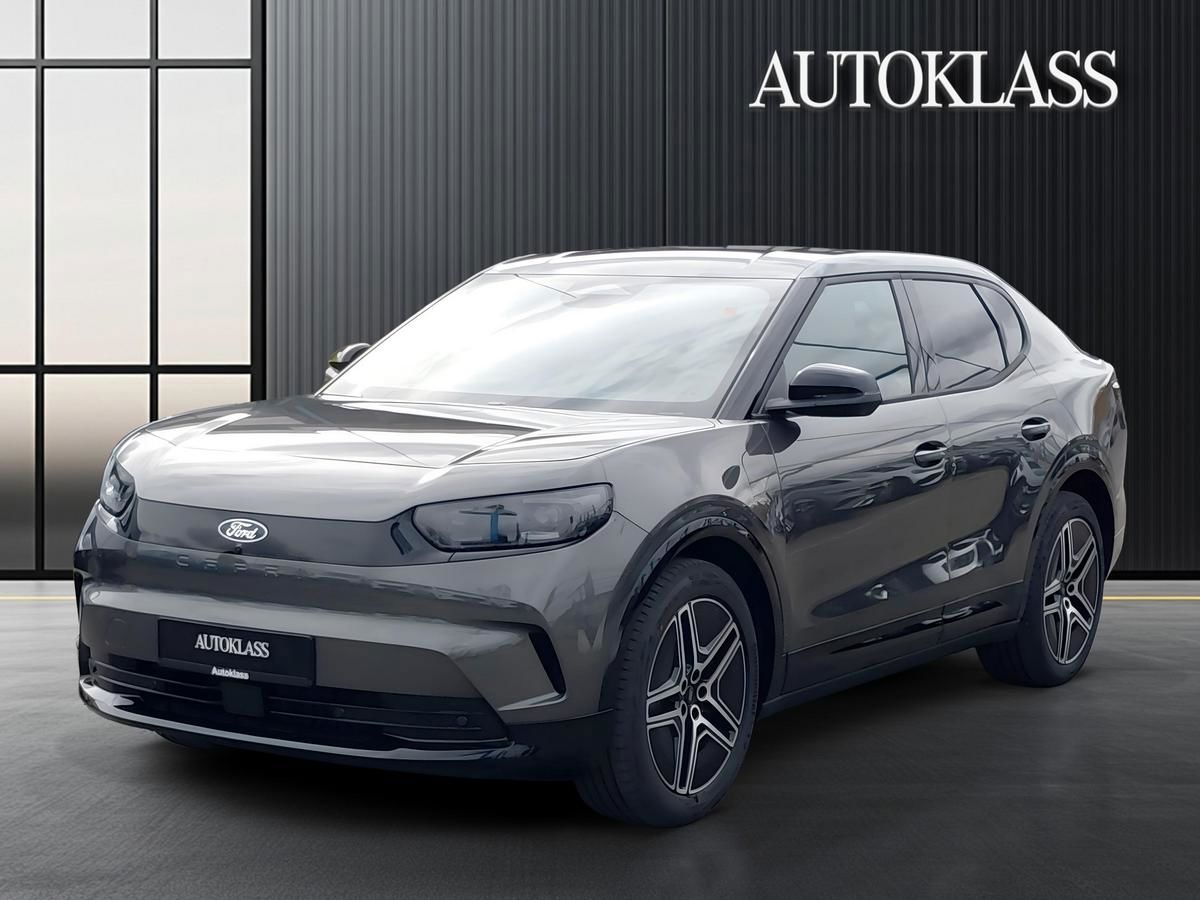
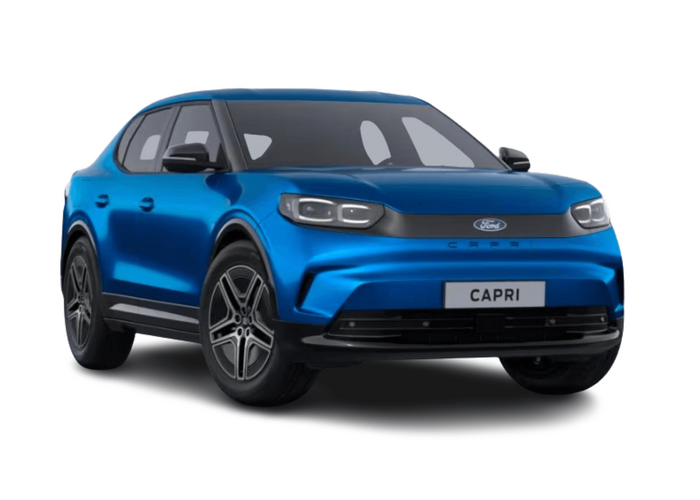
2025, electric, automatic, 42K km, 1 cm3, 286 hp, Extended Range 77kWh RWD Select, Used condition, In stock, sale date 30.10.2026 05:45

CarOutlet.eu
 Germany
Auction starts
30 Oct, 05:45
 GermanyGermanyGermanyGermanyGermanyGermany
 Romania, Cluj County
 Turnişor, RomaniaTurnişor, Romania
 Albania, Tirana
 Romania
If you’re considering a classic yet iconic car, the Ford Capri stands out for its retro styling and spirited driving feel. This guide helps you understand which Capri generation fits your needs, how to compare price ranges, and what to look for whether you’re buying or selling in different cities or countries. We’ll cover common configurations, fuel options, and practical questions buyers often ask to make an informed decision.
The Capri came in several generations, each with its own characteristics. If you’re shopping in urban areas or regional markets, you’ll notice differences in availability and price based on the era, engine and body style. Typical options include two-door coupe layouts with rear-wheel drive, and configurations that emphasize sporty cruising. When deciding, consider:
Searches often focus on price segments and reliability. In markets where classic cars are popular, you’ll see a wider spread between a project car and a well-maintained example. Typical considerations include:
For buyers, clarity in the listing matters as much as the car’s actual condition. For sellers, presenting transparent information helps you reach the right audience. Useful steps include:
Buying or selling a Ford Capri involves balancing nostalgia with practical considerations like maintenance, parts availability, and regional pricing. By understanding the generations, body styles, and typical price ranges, you can make a confident decision whether you’re eyeing a project car, a well-preserved coupe, or a collectible example in your area.
 Add as preferred sourceSee more from zvelta in Google Search Add as preferred source