EN
ENDEALER
2.128 US$DEALER
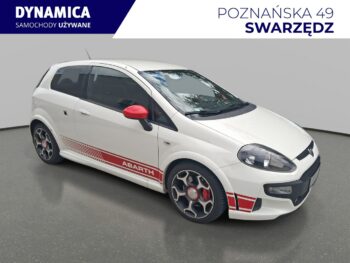
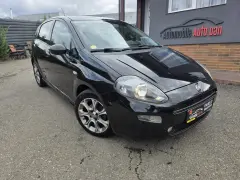
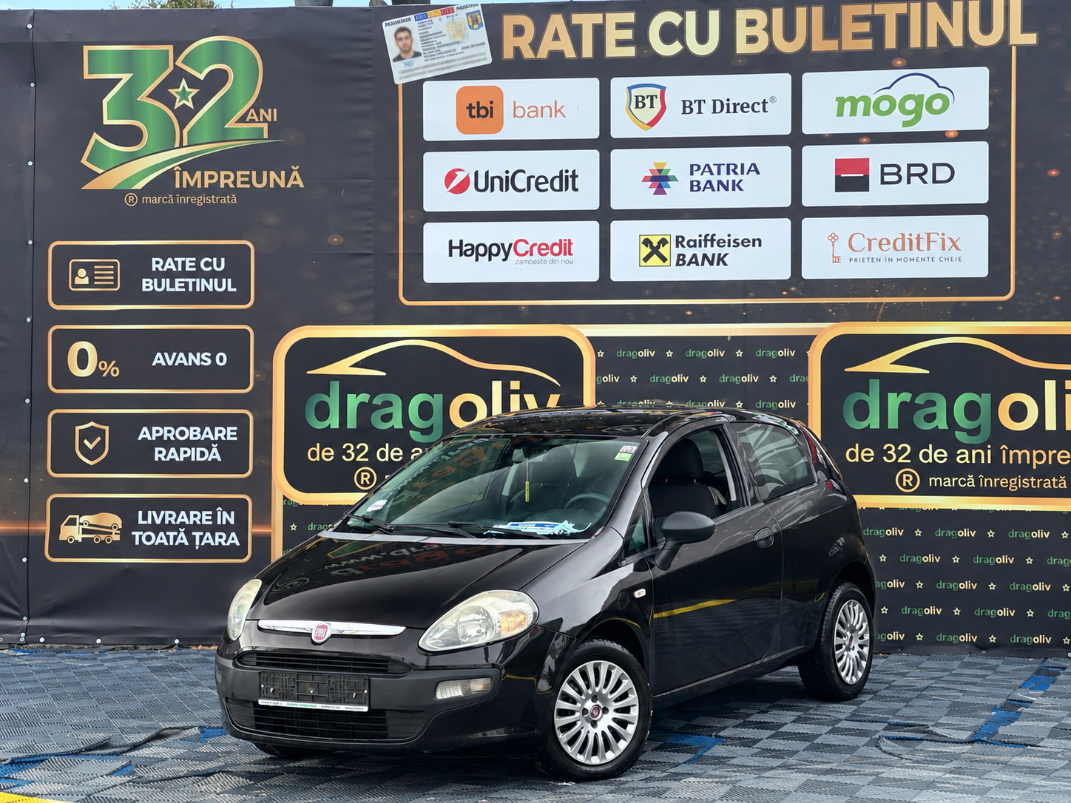
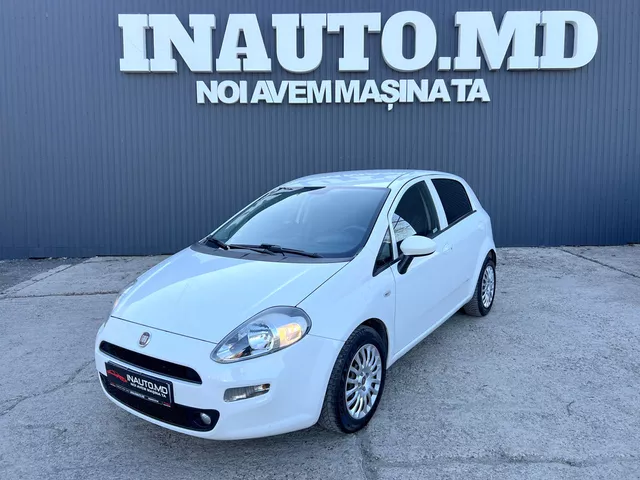
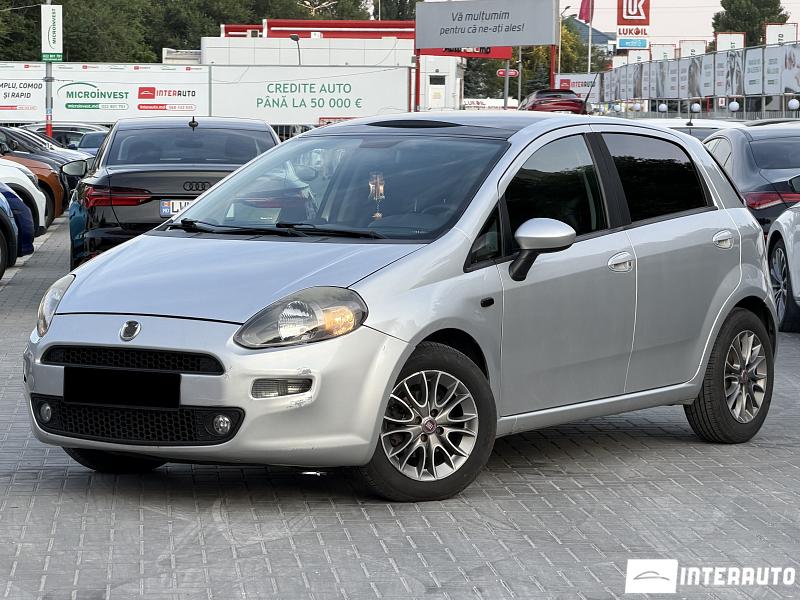
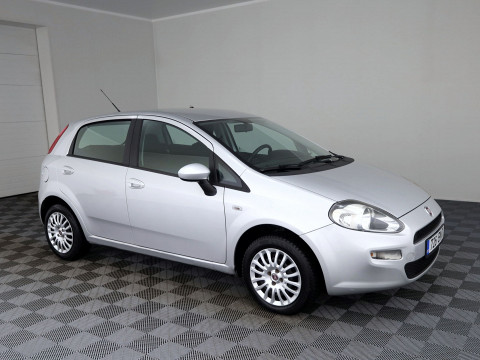
2014, gasoline, manual, 148K km, hatchback, Front Wheels Drive, 1,200 cm3, silver, Used condition, Europa, In stock

BaltiCar.com
 Estonia, Harjumaa
 Estonia, Harjumaa
 Poland, Lesser Poland
 Italy
Italy Romania, Bistrița-Năsăud County
 Romania, Sibiu County
 Zalău, Romania
 Romania, Bacău CountyRomania, Bacău County
 Romania, Bacău County
 Moldova
 MoldovaMoldova
 Bălţi, MoldovaMoldovaBălţi, Moldova
 Bucov, Romania
 Romania, Buzău County
 Chisinau, Moldova
 Ukraine
 Stryi, UkraineUkraineUkraine, Kyiv City
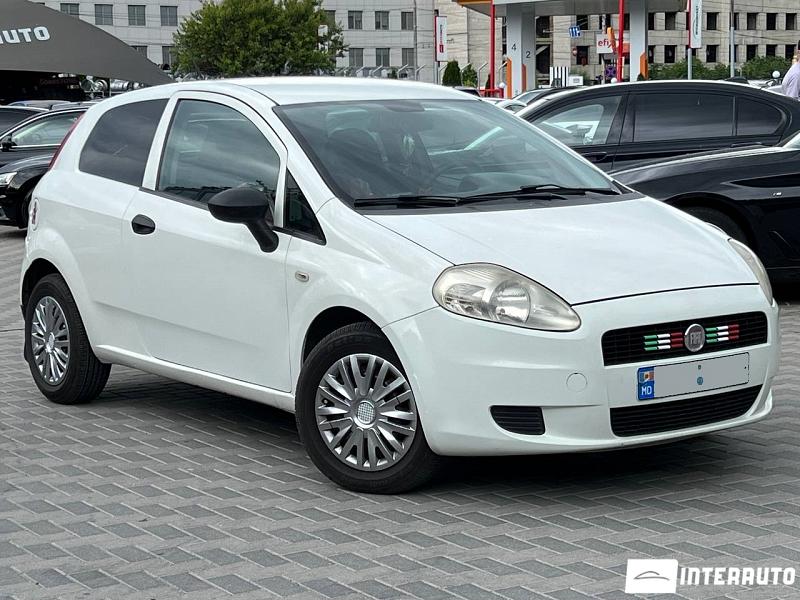
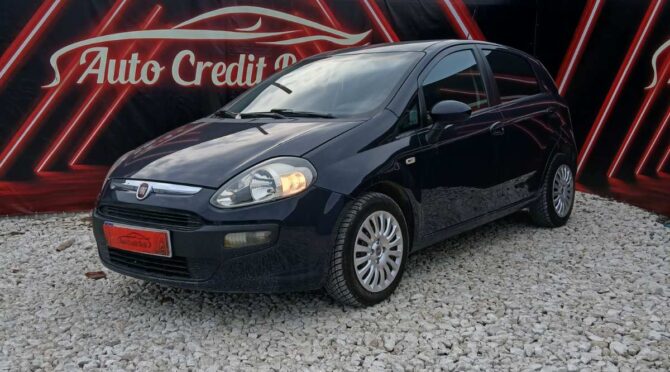
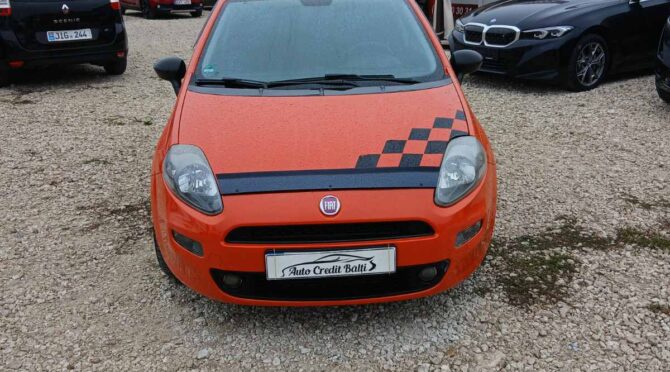
If you’re in the market for a compact, practical car, the Fiat Punto offers appealing options for urban driving and daily commuting. This guide walks you through choosing the right Punto generation, engine, and body style, and explains how to compare prices and negotiate when buying or selling in your city. Whether you’re a first-time buyer or upgrading a current car, understanding key details like year, mileage, fuel type, and price segment will help you make a confident decision.
The Fiat Punto has several generations, each with its own strengths, typical fuel choices, and body styles. Common Punto models in the used market include hatchbacks with compact dimensions that are easy to park and maneuver. When evaluating options, consider:
When you’re ready to compare options, consider a practical checklist that focuses on real-world ownership costs and driving experience:
If you’re selling a Punto, prepare the vehicle to maximize value: clean interior, a complete service history, and a few up-to-date replacements (tires, brakes, fluids). For buyers, negotiation is common, and transparency helps both sides:
Getting the right Fiat Punto involves balancing budget, mileage, and the intended use in your city. With a clear sense of the generation, fuel type, and condition, you’ll be well on your way to a confident purchase or a successful sale.
 Add as preferred sourceSee more from zvelta in Google Search Add as preferred source