EN
ENDEALER
15.676 US$DEALER
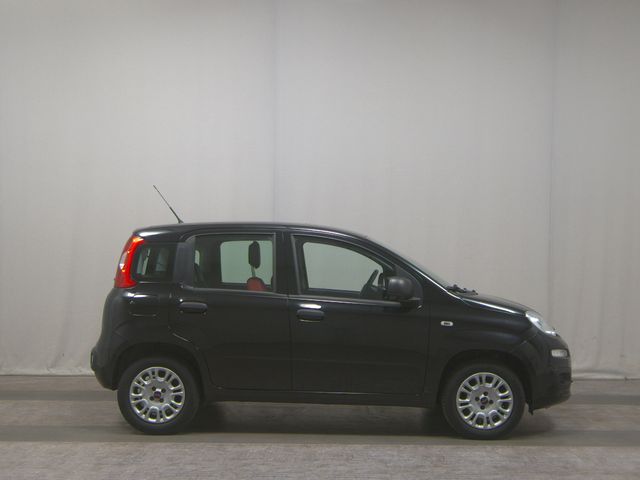
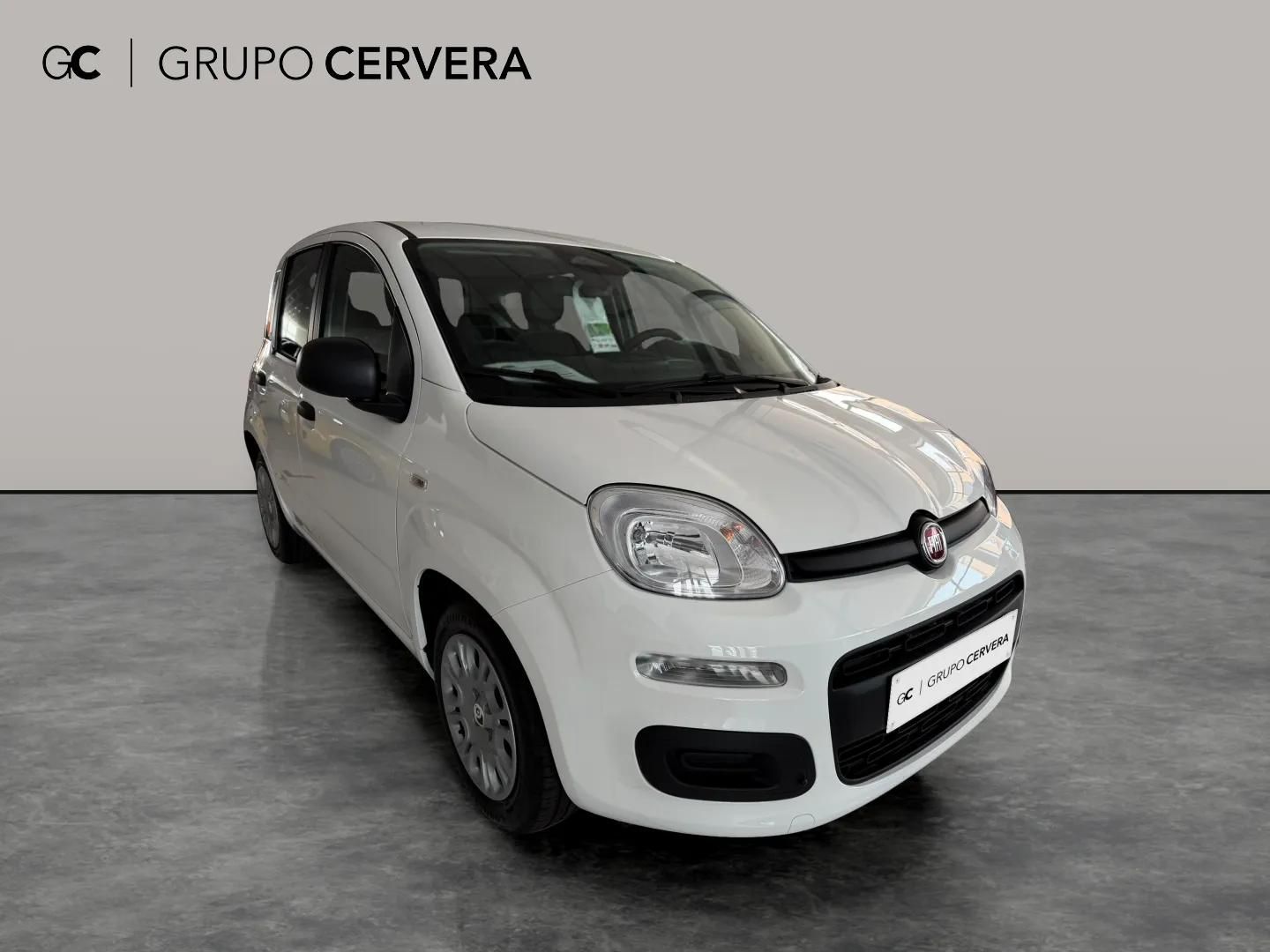
2026, gasoline, manual, 2 km, sedan, Front Wheels Drive, 999 cm3, 65 hp, Euro 6, white, 1.0 Hybrid Icon 48 kW (65 CV), New condition, In stock

GrupoCervera.com
 Spain, Castille and León
 Spain, Castille and León
 Netherlands
 France
 Germany, Lower Saxony
 Poland, Lesser Poland
 ItalyItalyItalyItalyItalyItalyItalyItalyItalyItalyItalyItalyItalyItalyItalyItalyItalyItalyItalyItaly
The Fiat Panda has long been a favorite for city driving, offering compact dimensions, practical space, and easy handling. If you’re considering buying a Fiat Panda or planning to sell one, this guide covers the key factors to help you make a smart decision. We’ll look at common engine choices, generation differences, body styles, fuel types, and typical price ranges in various markets, with practical tips for buyers and sellers alike.
The Panda is known for its tight turning radius, good visibility, and simple maintenance. For urban commuting, errands, or short trips, a Panda delivers proportional efficiency and reliability. When evaluating options, consider the model year, mileage, and maintenance history, as these influence long-term ownership costs more than occasional quirks of any particular generation.
Fuel types and configurations often seen on the Panda include petrol, and in some markets, mild-hybrid options or diesel variants were available in specific generations. When choosing, pay attention to fuel economy, emission standards, and service interval costs. Body styles are typically hatchback with a compact footprint ideal for crowded streets and parking.
When you search for a Fiat Panda, consider these factors to compare effectively:
If you plan to sell, highlight: recent service, any major repairs, original parts, and documentation of mileage. A clear history helps you command a better price and reduces buyer hesitation.
Buying a Fiat Panda is often about value and practicality rather than high-performance thrills. If you’re prioritizing easy parking, low running costs, and dependable daily use, a Fiat Panda in good condition can be a smart choice in many cities. Whether you are bidding on a newer Panda with better fuel efficiency or evaluating a well-kept older model, weigh maintenance history and total ownership costs to guide your decision.
 Add as preferred sourceSee more from zvelta in Google Search Add as preferred source