EN
ENDEALER
21.850 US$DEALER
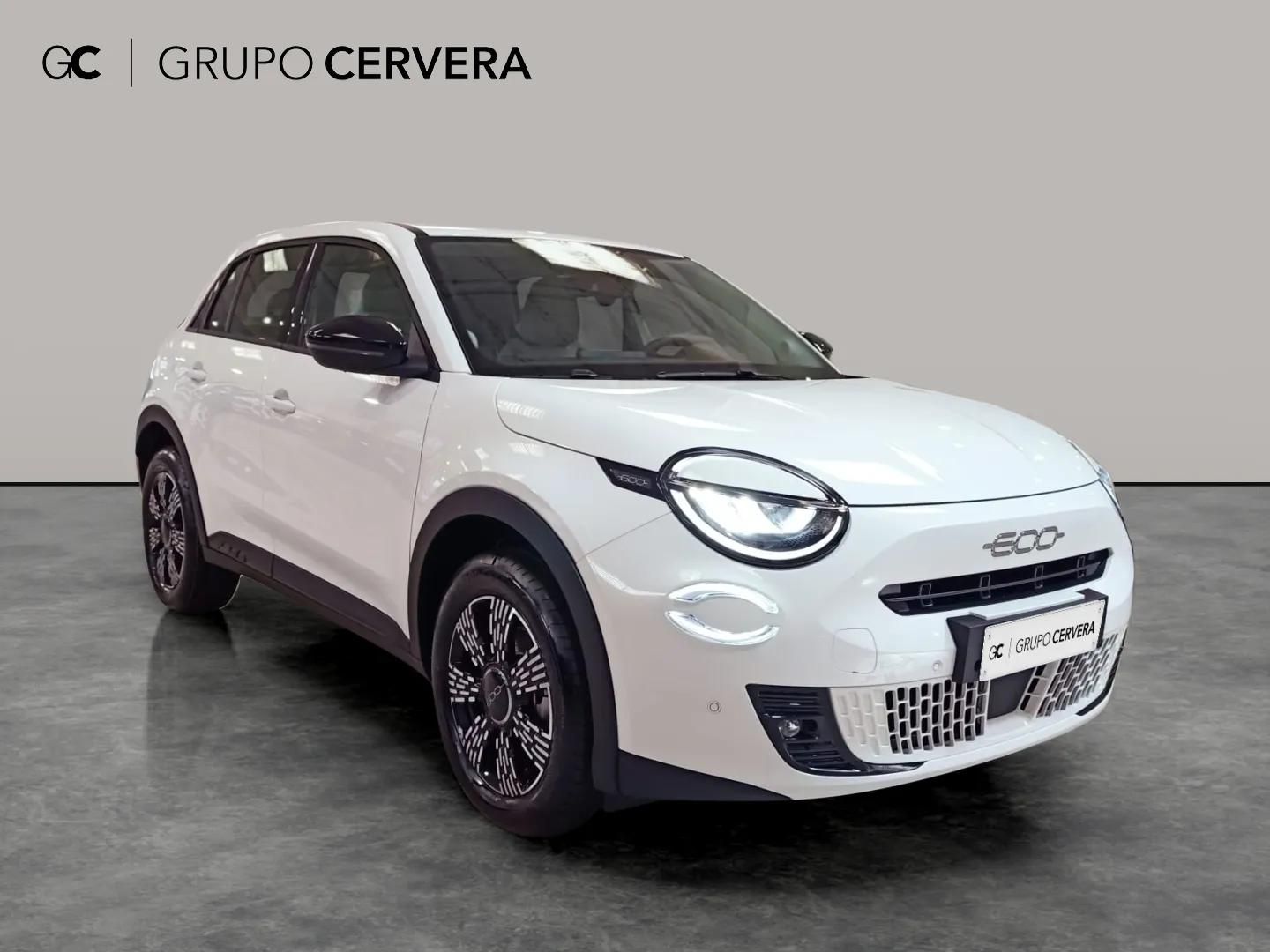
2025, gasoline, automatic, 22K km, SUV, Front Wheels Drive, 1,199 cm3, 145 hp, Euro 6, white, 1.2 MHEV 107 kW (145 CV) DDCT, Used condition, In stock

GrupoCervera.com
 Spain, Castille and León
 Spain, Castille and LeónSpain, Castille and LeónSpain, Castille and LeónSpain, Castille and León

 Germany, Lower Saxony
 Italy
Italy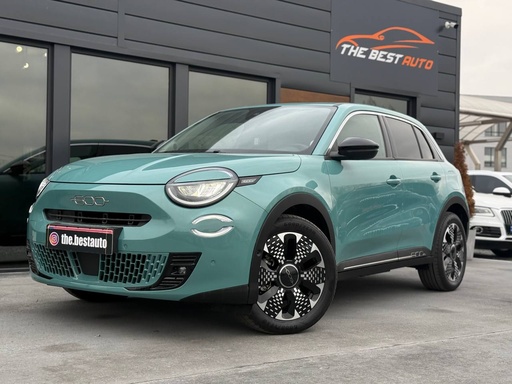

 Ukraine
If you’re considering a Fiat 600, you’re likely weighing classic styling, compact size, and budget-friendly ownership. This guide helps buyers and sellers understand what to look for when evaluating different generations of the Fiat 600, with a focus on options available in various markets. Whether you’re after a vintage model or a newer iteration, comparing fuels, body types, and mileage can make a big difference in cost of ownership and long-term reliability.
The Fiat 600 is known for its compact footprint and nostalgic charm, making it a practical city car and a stylish collector’s item. When you search for a Fiat 600, you’ll encounter several generations with distinct characteristics. Look for the original classic hatchback with a small-displacement engine or consider later iterations that offer improved comfort and efficiency. For buyers, price segments vary by year, mileage, and condition, so a careful evaluation helps you balance value and authenticity.
Key factors to compare include:
When you’re shopping in local markets, a few steps help you avoid overpaying and ensure a solid purchase:
Common questions from buyers include which engine and trim best suits a daily drive or weekend cruising. While the Fiat 600 variants can vary by market, a practical approach is to focus on:
If you’re selling, highlight maintenance records, authenticity, and recent work that keeps the car roadworthy. Clear photos of the exterior, interior, and engine bay help buyers assess condition quickly. Be transparent about any issues and provide documentation for parts replacements or restorations. Reasonable asking prices typically reflect condition, mileage, and market demand in your city, with classic or well-preserved examples often achieving premium compared with more worn vehicles.
Bottom line: whether you’re buying to enjoy a nostalgic ride or selling to pass on a piece of automotive history, a well-vetted Fiat 600 with clear service records and honest presentation stands out in any market.
 Add as preferred sourceSee more from zvelta in Google Search Add as preferred source