 EN
ENDEALER
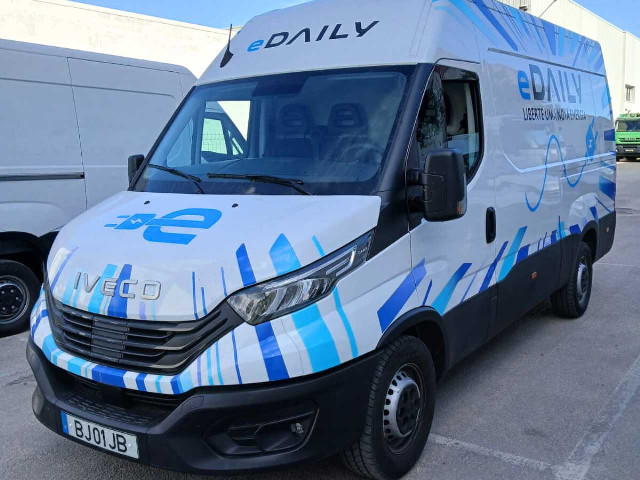
49.851 US$DEALER
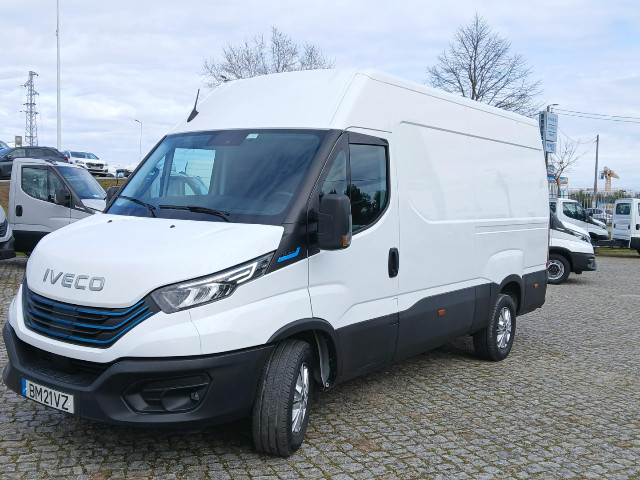
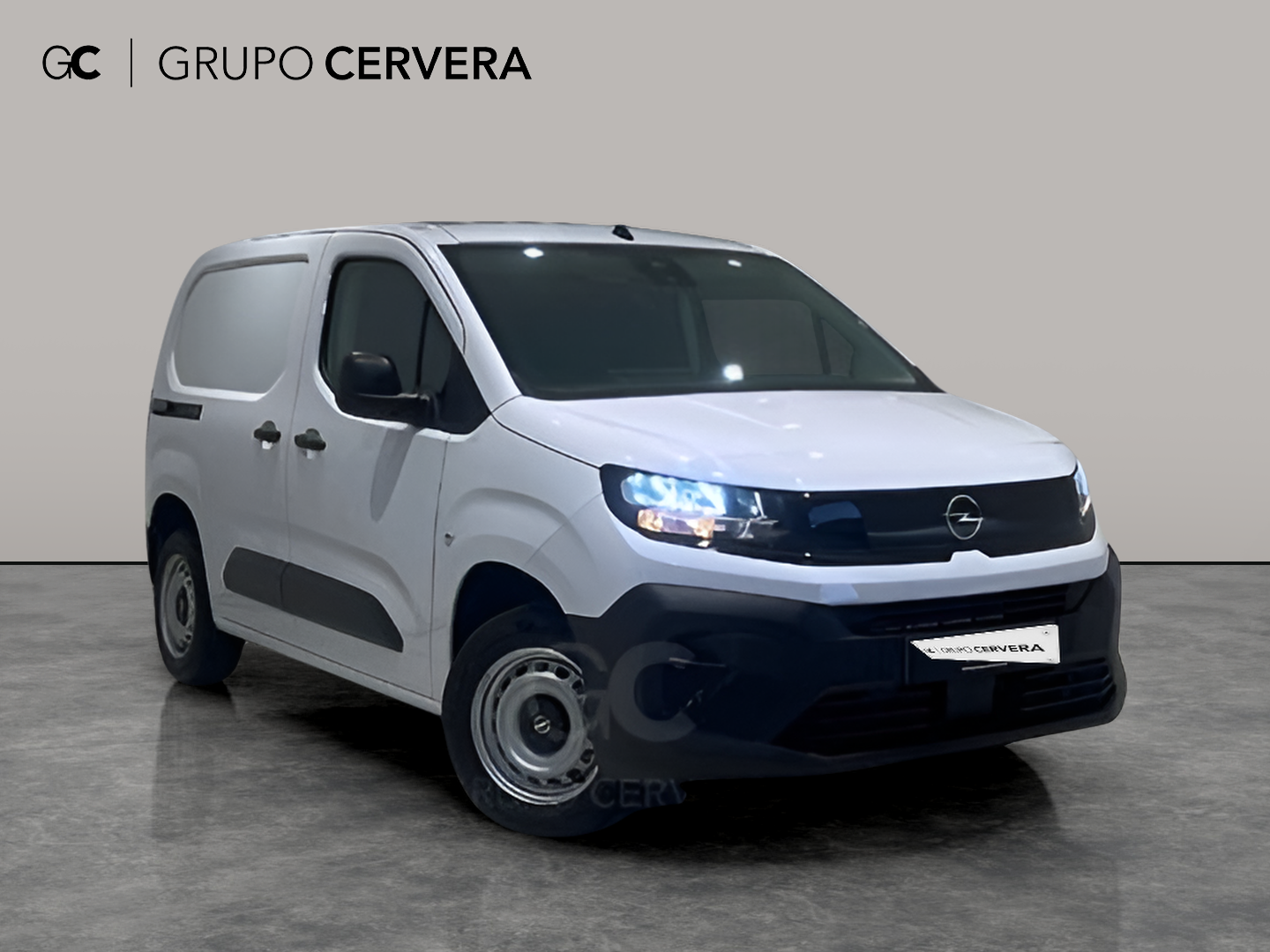
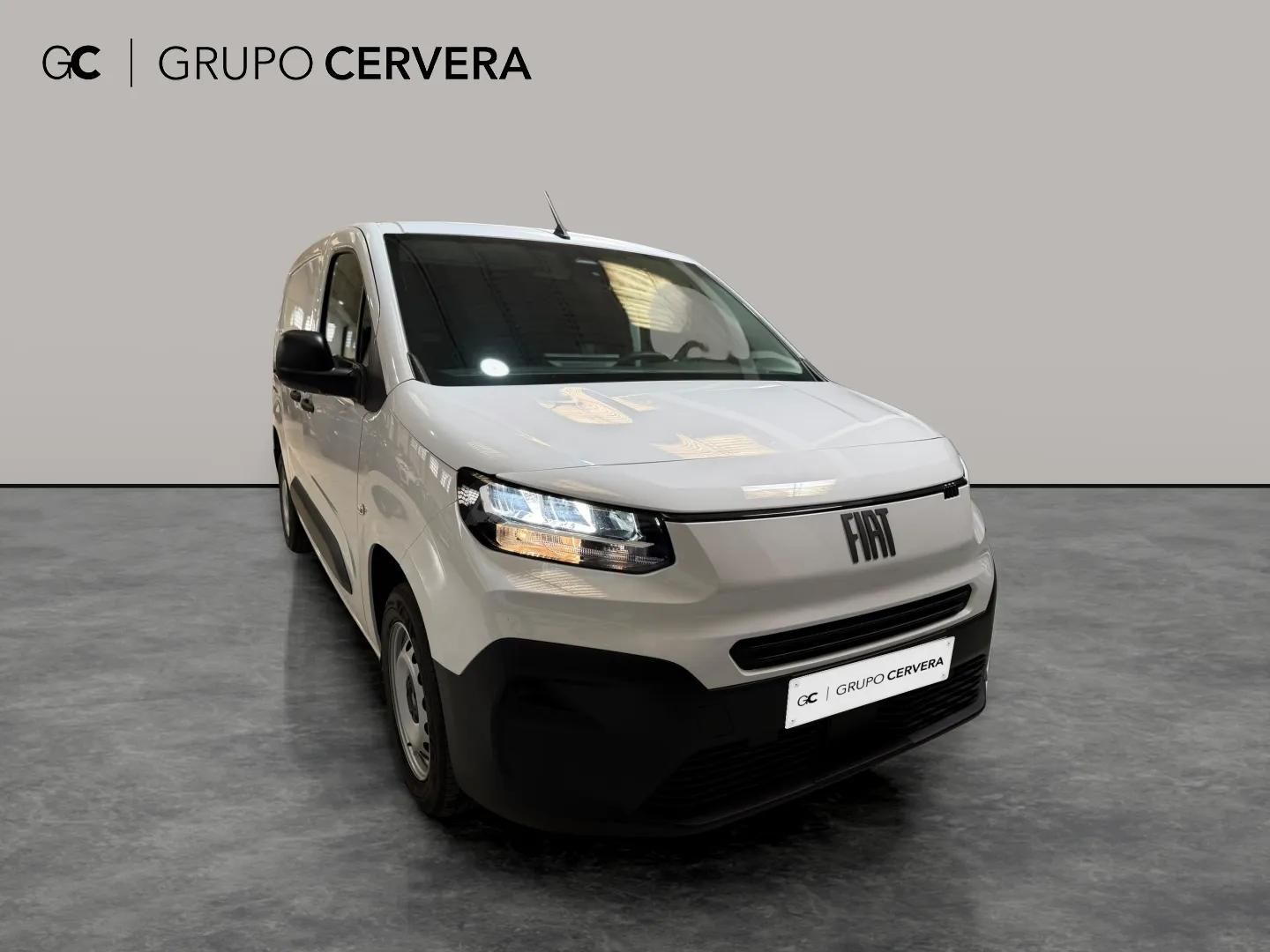
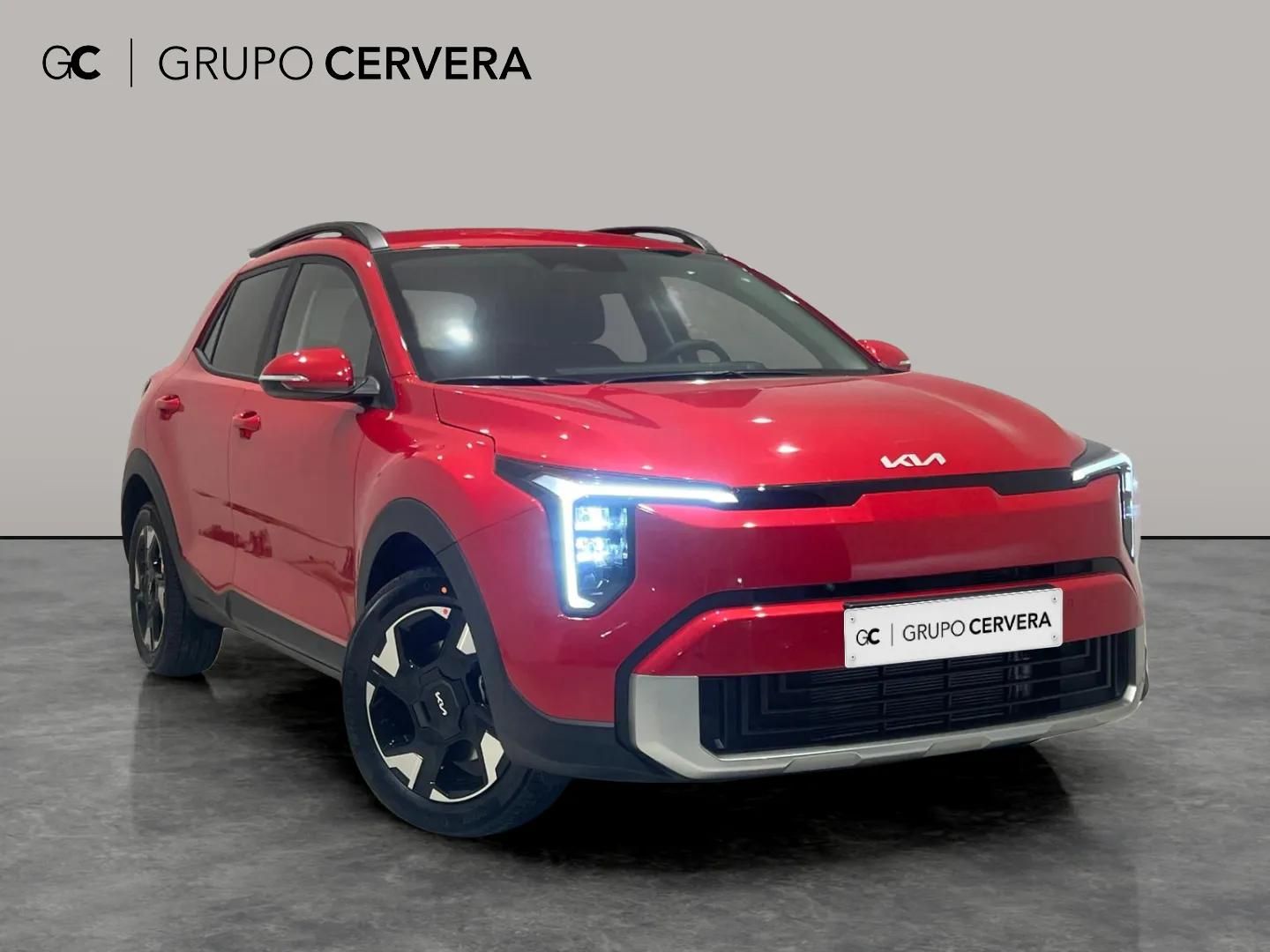
2024, electric, automatic, 16K km, VAN, Euro 6, Used condition, In stock

iveco-preowned.com
 Quinta das Areias, PortugalQuinta das Areias, PortugalQuinta das Areias, Portugal
 Spain, Castille and LeónSpain, Castille and LeónSpain, Castille and LeónSpain, Castille and LeónSpain, Castille and LeónSpain, Castille and LeónSpain, Castille and LeónSpain, Castille and LeónSpain, Castille and LeónSpain, Castille and LeónSpain, Castille and LeónSpain, Castille and LeónSpain, Castille and LeónSpain, Castille and LeónSpain, Castille and LeónSpain, Castille and LeónSpain, Castille and LeónSpain, Castille and LeónSpain, Castille and LeónSpain, Castille and LeónSpain, Castille and LeónSpain, Castille and LeónSpain, Castille and León
If you’re shopping for a car that balances performance with low emissions, Euro 6 models offer a solid combination of efficiency, modern tech, and broader availability. Whether you’re in a bustling city or a quieter town, finding a vehicle that meets strict emissions standards while still delivering everyday practicality matters. Below we explore what to look for, how to compare options, and which configurations tend to deliver the best value in today’s market.
Euro 6 is a set of European emission standards designed to reduce pollution from road traffic. Vehicles meeting Euro 6 typically feature advanced pollutant control, improved combustion efficiency, and, in many cases, turbocharged or redesigned engines. For buyers, this usually translates into lower tailpipe emissions, decent fuel economy, and access to a wide range of services and parts. When browsing models, pay attention to the exact engine variant, as Euro 6 encompasses several sub-standards and updates over time. The practical impact is clear: better air quality in urban areas and the potential for lower annual taxes or compatible incentives in certain regions.
Choosing a car with Euro 6 involves balancing engine type, body style, and daily use. Here are factors buyers typically weigh:
If you want efficiency without sacrificing practicality, here are actionable steps:
When you’re ready to compare options, focus on generations, fuel type, mileage, and total cost of ownership. A well-chosen Euro 6 model can offer a sensible combination of performance, efficiency, and reliability that suits daily use, city driving, and longer trips alike.
 Add as preferred sourceSee more from zvelta in Google Search Add as preferred source