EN
ENDEALER
6.611 US$DEALER
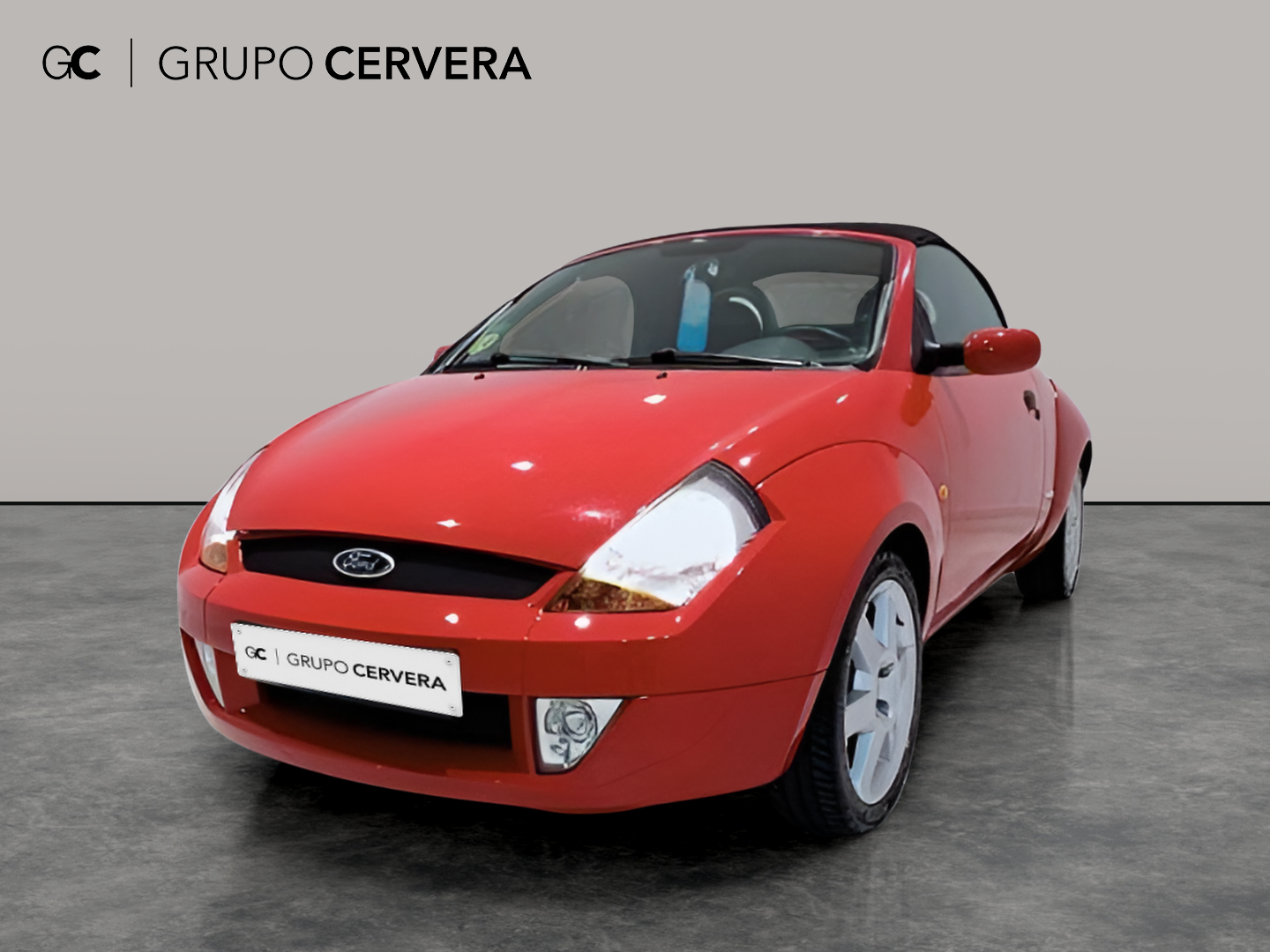
2005, gasoline, manual, 72K km, cabriolet, Front Wheels Drive, 1,599 cm3, 95 hp, Euro 4, red, 1.6i cabrio 70 kW (95 CV), Used condition, In stock

GrupoCervera.com
 Spain, Castille and LeónSpain, Castille and LeónSpain, Castille and León
 Hammer, GermanySohrschied, GermanySohrschied, GermanySohrschied, Germany
 Germany, Baden-Wurttemberg
 Parco Monlue' - Ponte Lambro, ItalyTrivio Fuentes, ItalyTrivio Fuentes, ItalySan Bernardino, Italy
 Romania, Bihor CountyRomania, Bihor CountyRomania, Bihor CountyRomania, Bihor CountyRomania, Bihor CountyRomania, Bihor County
 Municipiul Satu Mare, Romania
 Romania, Arad CountyRomania, Arad County
 Romania, Timiș CountyRomania, Timiș CountyRomania, Timiș CountyRomania, Timiș CountyRomania, Timiș County
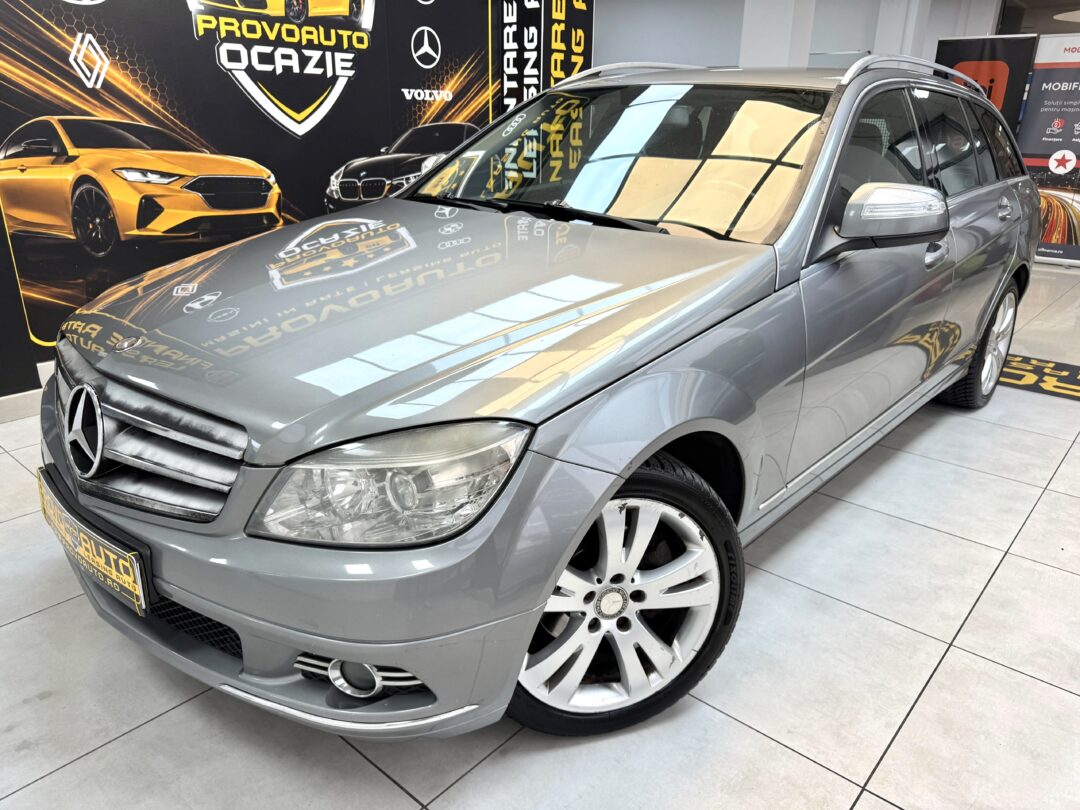
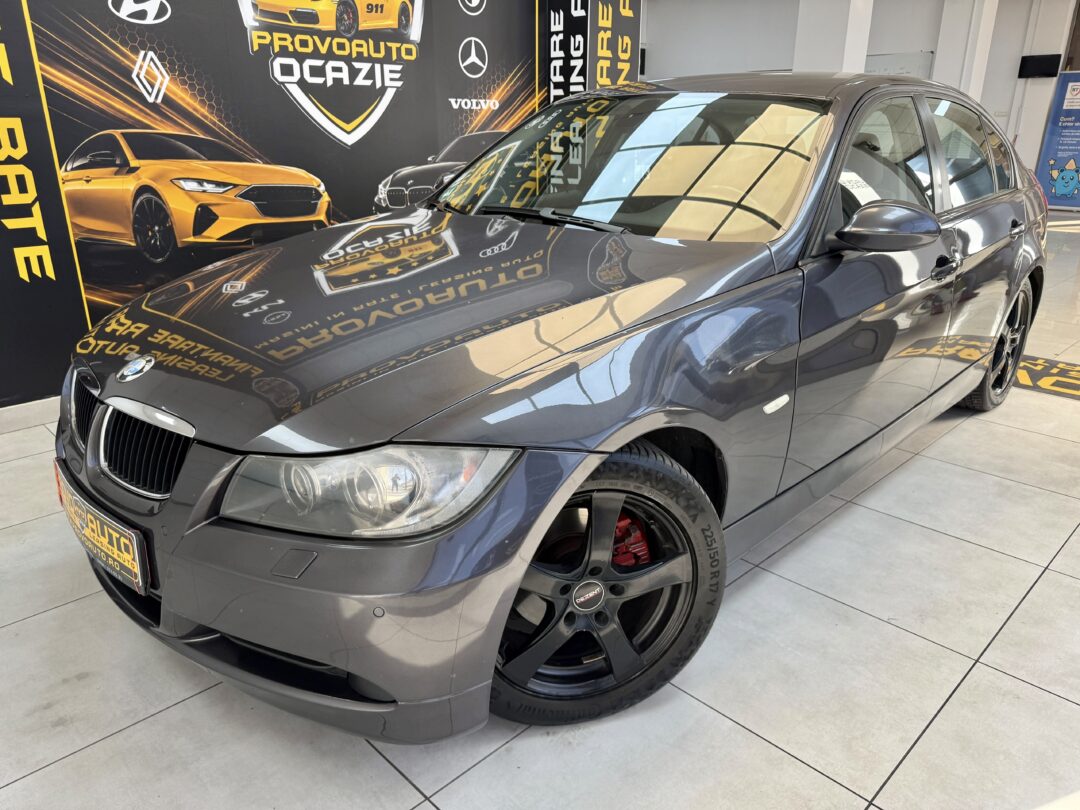
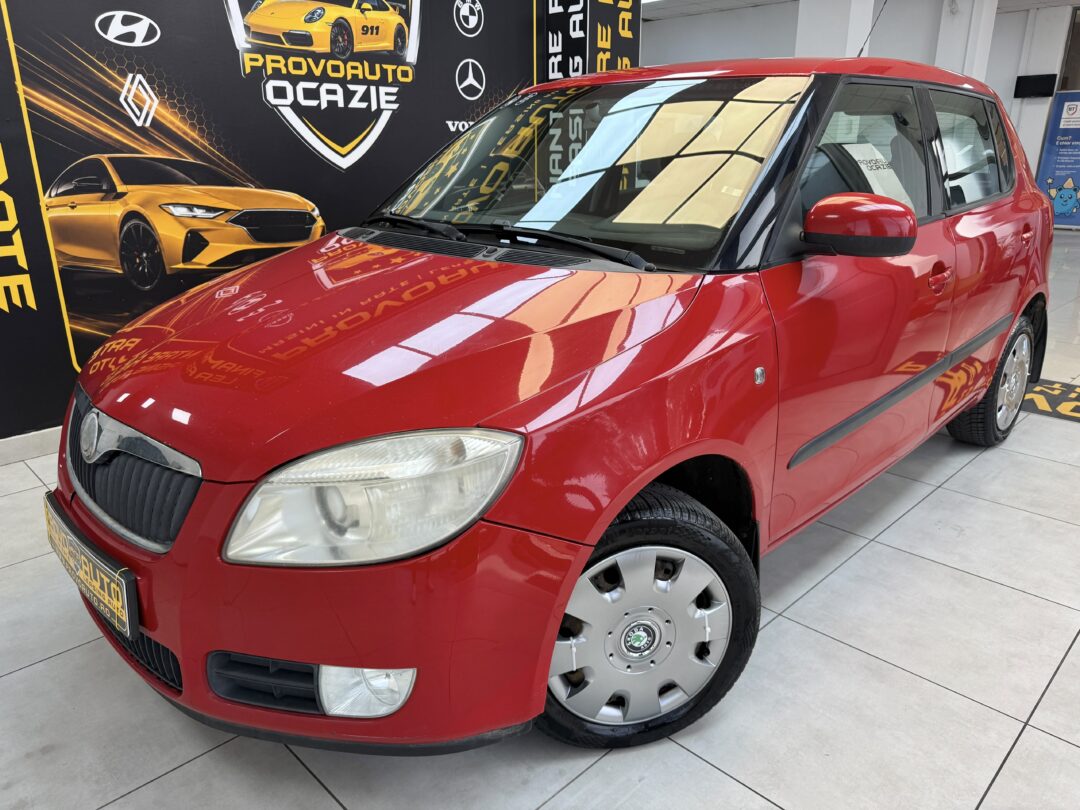
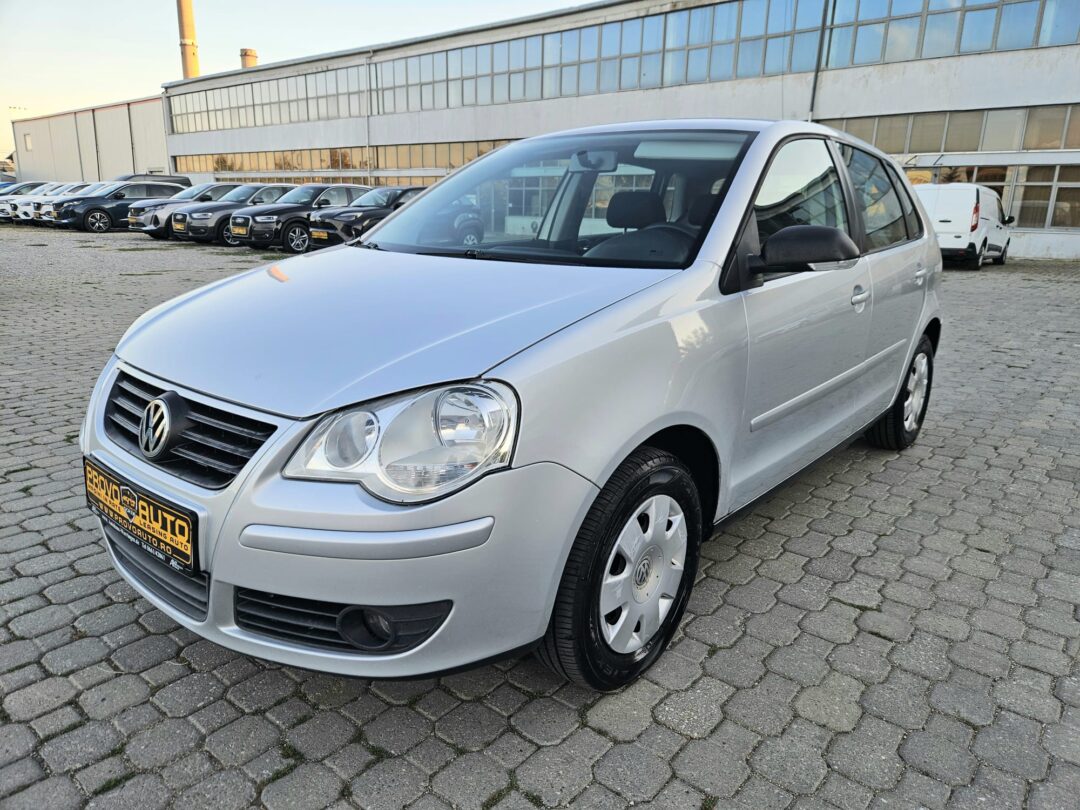
If you’re shopping for a used car and want to stay within a sensible emissions standard, Euro 4 models are a solid choice. This guide helps you compare brands, models, generations, and body types that meet Euro 4 requirements, so you can buy with confidence in major cities and regions where price and availability matter most. Whether you’re aiming for a compact hatchback, a practical SUV, or a versatile sedan, there are Euro 4 options across multiple fuel types and price segments.
Euro 4 is a certification that several popular models from brands you recognize meet emissions standards suitable for many markets today. When you’re evaluating a used car, pay attention to the year, mileage, and service history, in addition to the indicated emissions category. Cars built to Euro 4 often offer a good balance between maintenance costs and reliability, with engines designed to be efficient without the more stringent refinements of newer generations.
The following patterns cover common brand and model combinations that often appear in Euro 4 listings:
If you’re in a city or region with several dealer lots and private sellers, you’ll likely find a balanced mix of Euro 4 options across price segments. By focusing on brands and generations known for durability, you can narrow your search to candidates that offer reasonable ownership costs and practical performance. Whether you’re buying for daily commuting or weekend getaways, Euro 4 cars can provide dependable transportation without the premium price tag of newer generations.
 Add as preferred sourceSee more from zvelta in Google Search Add as preferred source