 EN
ENDEALER

1.064 US$DEALER
1.623 US$
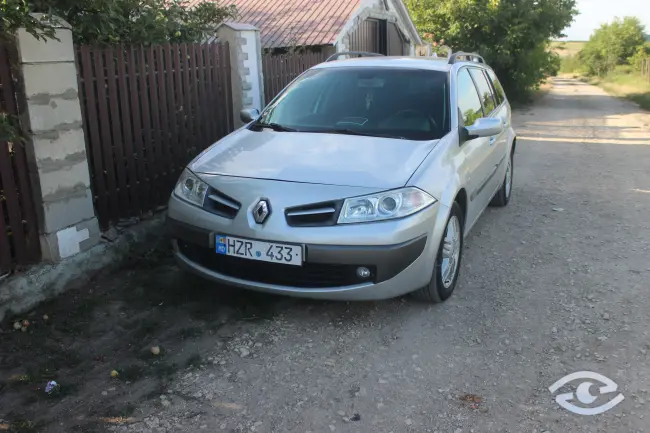
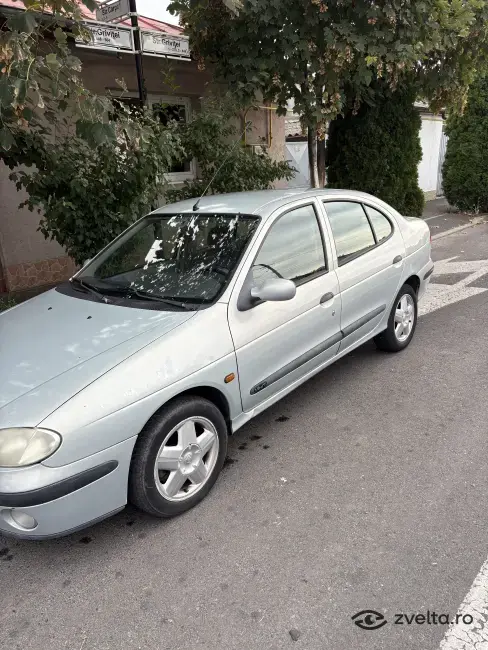
2003, gasoline, manual, 319K km, sedan, 1,600 cm3, 90 hp, Euro 3, Used condition, In stock

ProvoAuto.ro
 Romania, Bihor CountyRomania, Bihor CountyRomania, Bihor County
 Romania, Bistrița-Năsăud County
 Bălţi, Moldova
 Romania, Bacău CountyMoldova, Orhei
 Bulgaria, SofiaBulgaria, SofiaBulgaria, SofiaBulgaria, SofiaBulgaria, SofiaBulgaria, SofiaBulgaria, SofiaBulgaria, SofiaBulgaria, SofiaBulgaria, SofiaBulgaria, SofiaBulgaria, SofiaBulgaria, Sofia
 Bucov, RomaniaMoldova, IaloveniRomania, BucharestBrăila, Romania
Buying a car that meets Euro 3 emissions standards can be a smart choice for budget-conscious buyers who still need reliability in city driving. This guide helps you compare brands, models, and generations that fall under Euro 3, focusing on what matters most: price, mileage, fuel type, and overall condition. Whether you are in a busy capital or a smaller city, you’ll find practical tips for choosing a compact or mid-size car that balances affordability with dependable performance.
Euro 3 was a common emission standard for many models produced around the late 1990s and early 2000s. If you’re considering a Euro 3 vehicle, expect simpler emission controls and potentially lower maintenance costs compared with newer generations. When evaluating options, check the model’s year, fuel type (gasoline, diesel, or hybrid possibilities are limited in this category), and the country where the vehicle was originally sold. A well-maintained Euro 3 car can still deliver solid reliability, especially for shorter commutes and urban routes.
When you’re shopping in a medium-sized city or a bustling capital, practicality matters. Compare models by:
If you are evaluating options in your city, focusing on the right generation, confirmed maintenance, and realistic expectations for fuel and parts will help you secure a reliable Euro 3 vehicle that matches your daily needs.
 Add as preferred sourceSee more from zvelta in Google Search Add as preferred source