

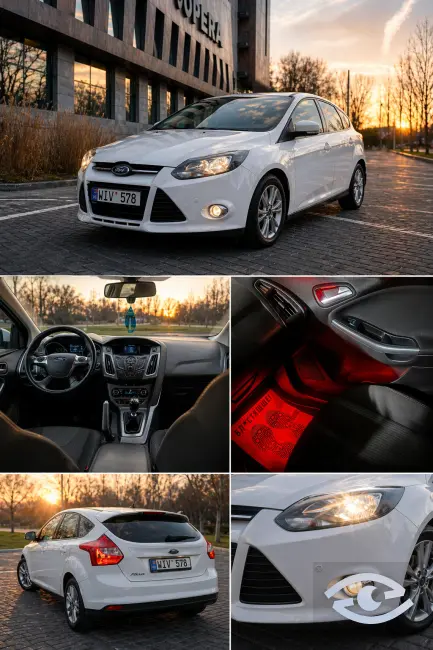







If you’re searching for a car with Euro 2 emissions, you’re likely balancing cost, availability, and upkeep. Euro 2 compliance is common in older models, which often means affordable purchase prices and a wide selection in many markets. In this guide, we explore how to choose, compare, and sell Euro 2 vehicles from brands you may know, with a focus on a practical approach for buyers and sellers alike.
Understanding Euro 2 and what it means for you
Euro 2 is an emissions standard that many older cars comply with. When evaluating options, consider engine type, fuel, and long-term running costs. Common fuel choices include petrol and diesel, each with its own maintenance profile and resale dynamics. For buyers, the question isn’t just about upfront price, but also about parts availability, insurance costs, and future compliance concerns in cities with stricter emissions rules.
How to evaluate a Euro 2 car from popular brands
If you’re looking at a specific brand and model, pay attention to the generation, year, mileage, and body type. For example, a compact sedan or hatchback from a well-known maker in the city where you live can be a sensible daily driver. Important checks include the consistency of the exhaust system, engine oil condition, and transmission behavior. In many markets, a car with a moderate mileage and a strong maintenance history offers better resale value than a high-mileage example with gaps in service.
- Generation and year: Match the vehicle’s generation with your needs and ensure the VIN aligns with the model year.
- Fuel and emissions: Petrol engines are common for Euro 2 cars; diesel options exist but may incur higher maintenance costs.
- Body type: Hatchbacks and sedans often deliver the best balance of practicality and price in older markets.
- Mileage and price: Compare mileage alongside asking price to gauge overall value and future running costs.
Buying tips for Euro 2 cars in cities and towns
- Check service history and parts availability: Local garages should be able to service the model you’re considering.
- Inspect common wear items: brakes, suspension, and tires can reveal how well the car has been cared for.
- Consider resale value: Cars with clear maintenance records and limited corrosion are easier to sell later.
- Test drive with a focus on transmission and engine response to detect any hesitation or rough running.
Selling your Euro 2 car: maximizing appeal and price
When you list a Euro 2 vehicle, highlight practical aspects that buyers care about: fuel type, maintenance history, recent inspections, and any recent replacements (battery, tires, timing belt). Clear photos and a transparent report on emissions-related items help build trust. In many markets, a well-documented history and reasonable price in line with current market demand will attract more inquiries and quicker sales.
If you’re unsure about which Euro 2 option best fits your needs, start with a price range that reflects the car’s condition and mileage, then compare similar models in your city. With careful evaluation and honest communication, you can buy or sell confidently while balancing cost, reliability, and long-term usability.
 Add as preferred source