 EN
DEALER
1.121 US$DEALER
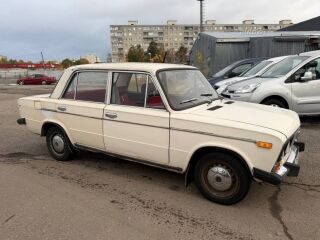
VAZ (Lada): 2106, 1988, gasoline, manual, 108K km, sedan, Rear Wheels Drive, 1,300 cm3, white, Used condition, Russia, In stock

BaltiCar.com
 Estonia, Harjumaa






















 Estonia, Harjumaa
If you are browsing VAZ (Lada) listings, you are usually not shopping for status. You are looking for something simpler: a car with a clear purpose, a seller who is not hiding the story, and an offer that still makes sense after you think about age, condition, and how you will actually use it. That is the right mindset for this brand. VAZ (Lada) tends to attract buyers who value straightforward ownership, easy-to-understand mechanicals, and honest value more than image. In the EU market, that can be a strength, but only if you separate the genuinely usable cars from the tired examples being sold on nostalgia, low asking price, or vague promises.
VAZ (Lada) often makes sense for a buyer who wants a basic daily runabout, a second car, a rural-use vehicle, or simply something more direct and less complicated than many newer alternatives. That does not mean every listing is automatically a bargain. With this brand, the difference between a smart buy and a draining project can be hidden in small details: how the seller describes maintenance, whether the interior wear matches the mileage claim, whether photos show a car that has been used normally or one that has been repeatedly patched up and passed along.
A useful way to judge VAZ (Lada) is to ask yourself whether you want character with compromises, or cheap transport with no surprises. The best VAZ (Lada) offers often sit exactly in that overlap. They are not polished collector pieces and not hopeless fixer-uppers either. They are the cars with believable histories, consistent condition, and sellers who can answer ordinary questions without becoming defensive.
With VAZ (Lada), the wording of the ad matters more than buyers sometimes expect. A short, plain listing that mentions recent service, registration status, visible faults, and why the car is being sold can be more promising than a flashy ad full of buzzwords and almost no substance. If the seller avoids basic facts, uses only distant photos, or writes as if every old part is "new enough," slow down.
This is one of those brands where weak listings often reveal themselves through attitude. When a seller talks more about how rare, legendary, or indestructible the car is than about what has actually been repaired, checked, or replaced, that is not charming editorial color. It can be a warning that the real condition is doing the heavy lifting. A VAZ (Lada) with modest photos and a calm, factual description may be the better buy.
Low entry price is part of the appeal, but it should not be the whole decision. Compare listings by condition story: body state, underside photos if available, start-up behavior, service notes, tire age, cabin wear, and how complete the paperwork sounds. Ask when it was last driven regularly, what was done for maintenance in the last year, and whether anything currently needs attention. Those questions matter more than a seller repeating that the car is "simple to fix."
In the EU market, VAZ (Lada) buyers can easily lose time by chasing the cheapest car first. A slightly more expensive example with clearer history, straighter bodywork, and fewer improvised repairs may be the less risky choice. Especially with older, simpler cars, bad ownership habits leave traces everywhere: mismatched panels, untidy wiring, uneven tire wear, cracked seals, missing trim, or a cabin that looks more neglected than the mileage suggests. You are not just buying a brand here; you are buying the standard of care from the previous owner.
Before arranging a viewing, ask the seller for a cold-start video, close photos of the sills, arches, lower doors, engine bay, and dashboard with the ignition on. Ask whether all documents are in order, whether the mileage is believed to be original or only shown on the odometer, and whether there are any current warning signs in daily use: hard starting, smoke, overheating, gearbox noise, clutch slip, brake pull, or electrical quirks. You do not need dramatic problems for a deal to become weak; a handful of small unresolved issues can quickly change the value of an old VAZ (Lada).
Also ask how long the seller has owned the car. A very short ownership period is not automatically bad, but it changes how you read the ad. If someone bought a VAZ (Lada) recently and is already moving it on, ask what they learned after purchase. The answer can tell you more than the rest of the listing.
Many shoppers approach VAZ (Lada) as if every example should be judged mainly through toughness or old-school charm. That is only half right. In practice, the more useful dividing line is whether the car has been kept as a functional machine or treated as an endlessly deferrable project. Two visually similar cars can create completely different ownership experiences. One has regular use, tidy fixes, sensible consumables, and a seller who knows the car. The other has stories, excuses, and a pile of small jobs waiting for the next owner.
That is why VAZ (Lada) can be oddly easy to shortlist and oddly easy to get wrong. Buyers who know exactly what they want often make fast decisions, because the brand’s appeal is quite specific. Buyers who are only browsing for "something cheap" can get trapped by the wrong example. The brand rewards clarity. If you want a straightforward car and are comfortable checking condition carefully, VAZ (Lada) deserves a proper look. If you expect modern refinement from an old, basic listing, you may end up comparing it unfairly.
Go see the car when the photos are consistent, the seller answers directly, the maintenance story sounds believable, and the visible wear matches the age and mileage being claimed. A good listing does not need to pretend the car is perfect. In fact, honest mention of minor faults can be a positive sign. It suggests the seller understands what informed buyers care about.
Skip or heavily discount offers where the description is evasive, the paperwork sounds unclear, the condition is hidden behind poor photos, or the seller pushes you to decide before normal checks. For VAZ (Lada), a worthwhile buy is rarely the one with the loudest listing. It is usually the one that feels coherent: same story in the text, the photos, the service notes, and the seller’s answers. That is the point where a cheap car starts to look like a sensible one.
 Add as preferred sourceSee more from zvelta in Google Search Add as preferred source