 EN
DEALER
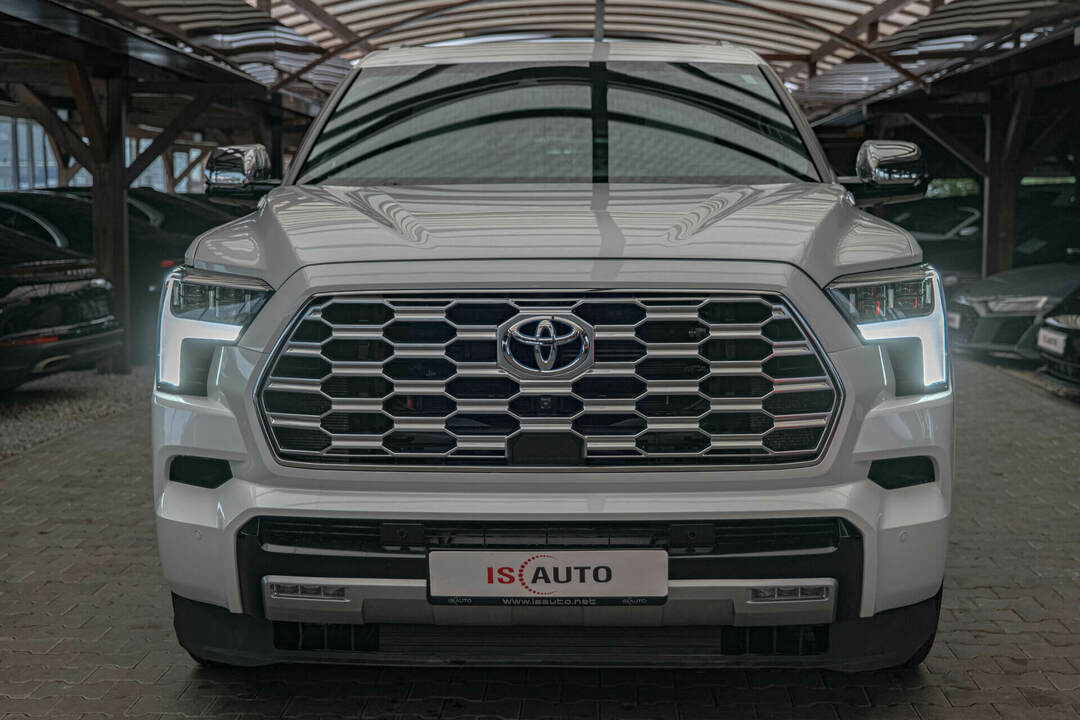
108.677 US$DEALER
2023, gasoline, automatic, 26K km, SUV, 435 hp, Used condition, In stock

isAUTO.net
 Bulgaria, Varna




















 Bulgaria, Varna
If you are looking at a Toyota Sequoia in Europe, the first useful thought is simple: rarity changes the buying process. When a model appears only occasionally, buyers are tempted to excuse weak photos, vague descriptions, or a distant location just because the badge and body style are hard to find. That is exactly when it helps to slow down. A rare listing can still be a poor listing. With a Toyota Sequoia especially, the smart move is to compare the offer against your real needs, the inspection effort, and how much uncertainty the seller is asking you to accept before you even make contact.
A big SUV can look convincing in almost any photo set, so read the ad with a skeptical eye. On a Toyota Sequoia for sale, look for signs that the seller understands what serious buyers need: clear exterior photos from all sides, cabin images that show wear honestly, engine bay shots if possible, and basic ownership context rather than one-line marketing text. Sparse ads are not automatically bad, but they do increase the number of questions you will need answered before planning a trip.
Because used Toyota Sequoia listings in the EU market can be limited, weak ads often survive longer than they would for more common models. That creates a trap. A listing can feel special merely because there are few alternatives. Instead of reacting to scarcity, compare substance: documentation, condition, seller responsiveness, and whether the car is described consistently across mileage, equipment, accident history, and import background.
With a common hatchback, you might inspect two or three cars in one afternoon. With a Toyota Sequoia in Europe, the search journey can be much more spread out. One offer may be in one country, another possibility may appear weeks later somewhere else in the EU market, and inspection logistics suddenly become part of the buying decision. That matters because distance makes buyers more forgiving. Once you have priced flights, fuel, or transport, it becomes psychologically harder to walk away.
That is why the conversation before the trip matters so much. Ask the seller for a cold-start video, close photos of known wear areas, dashboard warning-light footage, and a walkaround in daylight. If the Toyota Sequoia is far away, also ask for a clear photo of the registration documents and any service records before you travel. You are not being difficult; you are trying to avoid the classic rare-car mistake of turning a long-distance viewing into a commitment.
A useful seller usually answers directly and in sequence. A weak seller tends to stay broad: “everything works,” “no problems,” “just cosmetic,” or “come see it.” For a Toyota Sequoia, ask questions that force detail.
Notice not only the answers, but the tone. A careful owner will usually volunteer context. A seller who avoids specifics may still have a decent car, but the burden of proof becomes much higher.
The best Toyota Sequoia used offer is rarely the one with the most flattering language. It is often the one where the ownership story makes sense. Look for consistency between mileage and wear on the steering wheel, seats, pedals, cargo area, and switchgear. On a large SUV, towing use, family use, or long-distance highway use can leave very different signs. None of these automatically disqualify the car; they simply change what you should inspect more carefully.
One less obvious point: with uncommon models in Europe, some sellers write ads for recognition rather than precision. They know buyers may search widely across borders and may be excited just to find a Toyota Sequoia for sale at all. That can lead to listings that mention size, presence, or rarity but say almost nothing about maintenance discipline. Treat that imbalance as a signal. If the ad spends more energy on the idea of the car than the condition of the car, slow down and ask for proof.
A Toyota Sequoia EU search often turns into a cross-border purchase discussion. That can be perfectly reasonable, but only if you sort the paperwork before emotions take over. Confirm what registration documents are present, whether there are any outstanding administrative issues, and what would be needed for registration in your own country. If the seller becomes vague here, the rare-model appeal quickly stops being worth the risk.
It is also wise to ask what has already been adapted, changed, or repaired during previous ownership. On a vehicle that may have moved between markets, buyers should not assume every detail is straightforward. You do not need to be suspicious of every imported car; you just need the documentation trail to be clearer than your excitement.
When there is only one active Toyota Sequoia listing in front of you, the natural comparison is “this or nothing.” That is usually the wrong comparison. Better questions are: would you still want this exact car if there were three more tomorrow, does the seller make inspection easy, and does the condition justify the travel and risk? Sometimes the right move is to wait, even when availability is thin.
A good Toyota Sequoia in Europe listing should survive ordinary buyer scrutiny. It should not require optimism to make sense. If the seller communicates clearly, the paperwork is coherent, the photos support the story, and the viewing logistics feel manageable, then the car is worth pursuing. If not, scarcity alone is not a reason to compromise. Rare is interesting; well-documented is what makes a rare SUV worth buying.
 Add as preferred sourceSee more from zvelta in Google Search Add as preferred source