 EN
ENDEALER

14.235 US$DEALER
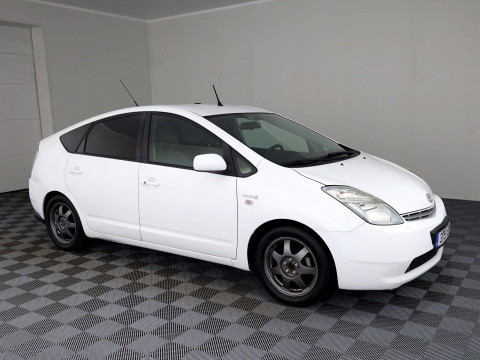
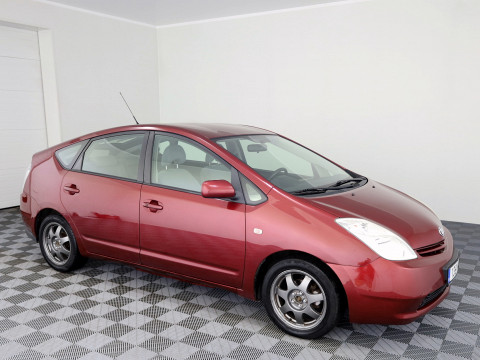
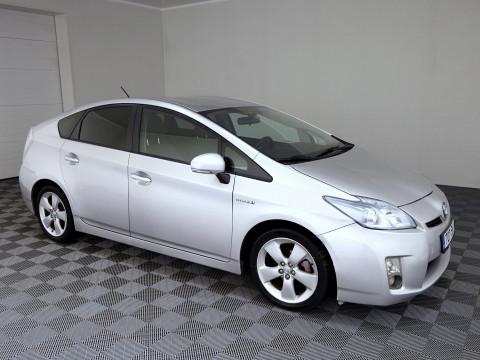
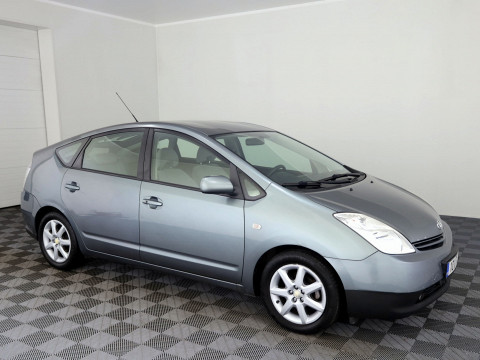
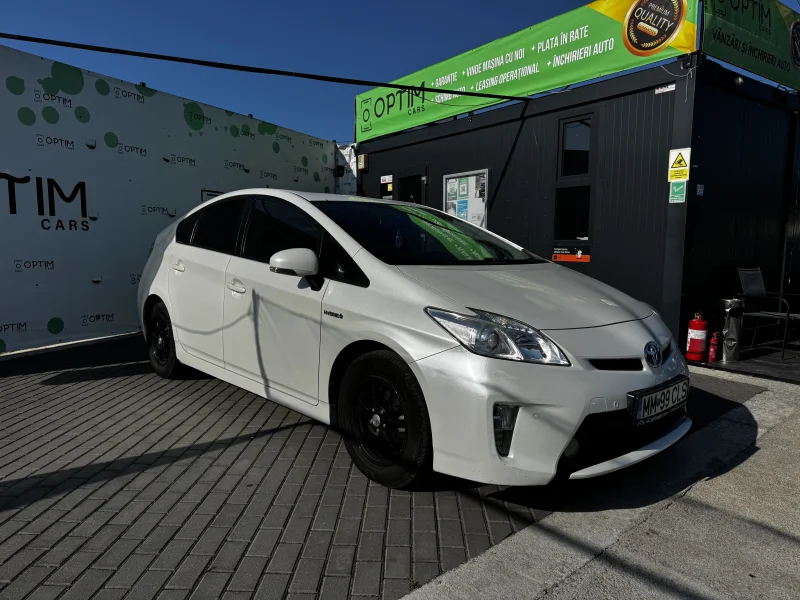
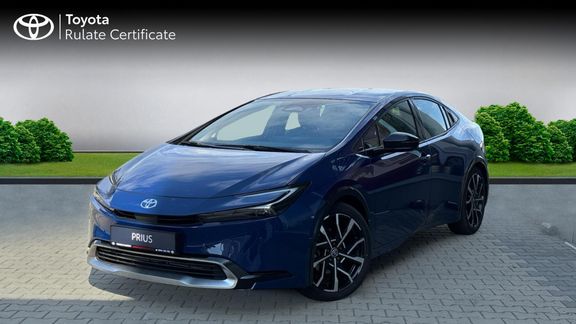
2022, hybrid, automatic, 189K km, hatchback, 98 hp, 1.8 VVT-I HEV LOUNGE AUTO, Used condition, In stock

CarOutlet.eu
 Belgium





















 BelgiumNetherlandsNetherlands
 Estonia, HarjumaaEstonia, HarjumaaEstonia, HarjumaaEstonia, Harjumaa
 Lazu Baciului, Romania
 Romania, Dâmboviţa
 Ţânţăreni, Romania
 Romania, București
A Toyota Prius listing can look simple on the surface, but this is one of those cars where the story behind the ad matters almost as much as the photos. If you are comparing a new or used Toyota Prius in the EU market, start by asking yourself a very ordinary question: does this car look like it has been lived with sensibly? A Prius often ends up with owners who bought it for calm, low-drama transport, and the best offers usually feel exactly like that—clear photos, honest mileage, service notes that make sense, and a seller who answers practical questions without getting defensive.
That may sound odd, but it is useful. A strong Toyota Prius for sale listing rarely needs theatrical language. You want to see consistency: interior wear that matches the odometer, tyres and body condition that suggest routine care, and a seller who can explain how the car was used. Was it mainly commuting, city errands, or longer motorway trips? With a Prius, everyday use matters because ownership is often about habits. A car that spent its life doing steady, predictable miles may feel different from one that bounced between short urban runs, delivery work, and long idle periods.
When you compare Toyota Prius used listings, look closely at what the seller chooses to mention. If the ad talks about fuel economy but says nothing about maintenance history, hybrid-related checks, warning lights, recent servicing, or how long they have owned the car, slow down. You do not need a perfect history to consider the car, but you do want a believable one. Ask for service records, invoice photos, and any recent work done on brakes, suspension, cooling components, or the battery system if documented. The key is not to prove the seller wrong; it is to see whether the ownership story hangs together.
People do not usually shop for a Toyota Prius because they want drama. They shop for one because they want a car that fits daily life: repeat trips, easy starts, low stress, and predictable running. That is exactly why a weak listing stands out so clearly. If the seller cannot describe the car in everyday terms—how it starts from cold, how it behaves in traffic, whether everything works normally inside, whether there are recurring messages on the dash—it can mean they have not known the car well, or do not want to discuss it in detail.
This ownership angle helps when narrowing listings. A trustworthy Toyota Prius offer often includes small practical clues: two keys, simple but complete service notes, photos taken in normal daylight rather than heavily edited images, and an explanation for cosmetic flaws instead of silence. On a car like this, honesty about ordinary wear is actually reassuring. The seller who says, "there is a scratch on the rear bumper" may be more credible than the seller claiming everything is perfect while avoiding close-up photos.
Before arranging a viewing, ask a short list of useful questions and pay attention not only to the answers, but to how quickly and clearly they come. For a Toyota Prius for sale, ask:
These are not trick questions. They are useful because they reveal whether the seller is describing a known car or just trying to move it on. If answers are vague—"everything is fine," "nothing to mention," "come see it"—without any detail, that is usually a reason to compare other listings first.
With only a small number of visible Toyota Prius offers in the EU market, buyers sometimes become too forgiving. Scarcity can make an average listing feel special. Try not to let that happen. A limited market does not mean you should ignore weak documentation, poor photos, mismatched panel gaps, obvious interior neglect, or strange seller behavior. If one offer is active, the right move is not to rush blindly; it is to inspect that offer more intelligently and keep alternatives in mind.
A less obvious point: when supply is thin, comparison shifts from how many Prius cars are for sale to how believable is this one example. That changes your process. Instead of chasing price alone, compare condition signals, seller transparency, registration clarity, and whether the car looks like it has had a settled life. For the Toyota Prius, that settled-life feeling often matters more than flashy presentation.
When you see the Toyota Prius in person, start with the basics. Check that the body, glass, lights, tyres, and cabin wear all make sense together. Look for signs of neglect hidden under a freshly cleaned exterior. Then focus on behavior: cold start, unusual noises, warning lights, smooth driving, braking feel, and how the car transitions through normal use. You are not trying to diagnose everything in the driveway. You are looking for consistency between the listing, the seller's story, and the car in front of you.
If possible, let the car idle, drive it in stop-start traffic and at slightly higher speed, and test the ordinary things owners use every day. A Toyota Prius earns trust when nothing feels theatrical—no excuses about lights, no strange sounds dismissed as normal, no electronic feature that "sometimes works." Small irregularities may be harmless, but the seller's willingness to explain them matters.
Walk away if the documents do not line up, the seller keeps changing the story, the mileage feels unsupported, or the condition is clearly worse than the listing suggested. Also step back if the car gives the impression of a quick flip rather than a cared-for ownership history. A used Toyota Prius is often most appealing when it looks like someone relied on it and maintained it, not when it has been polished just enough to hide neglect.
If you are unsure, compare the Toyota Prius with other practical used cars in the same budget and size class, but keep your criteria consistent: documentation, condition, seller quality, and the sense that the car has had a normal life. That is the real shortcut here. The right Toyota Prius offer is not simply the one with the nicest ad. It is the one that feels coherent from first listing to first drive.
 Add as preferred sourceSee more from zvelta in Google Search Add as preferred source