EN
ENDEALER

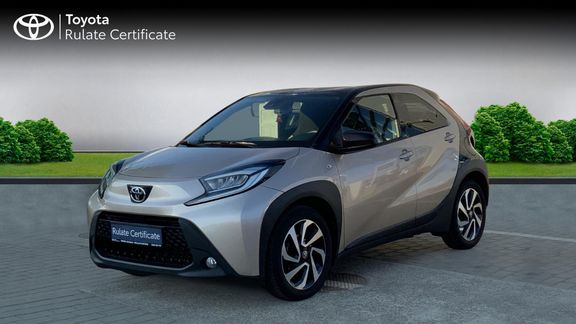
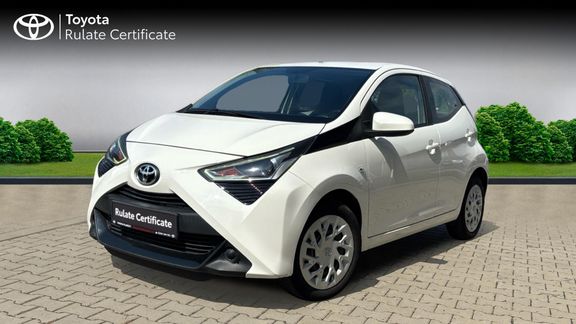
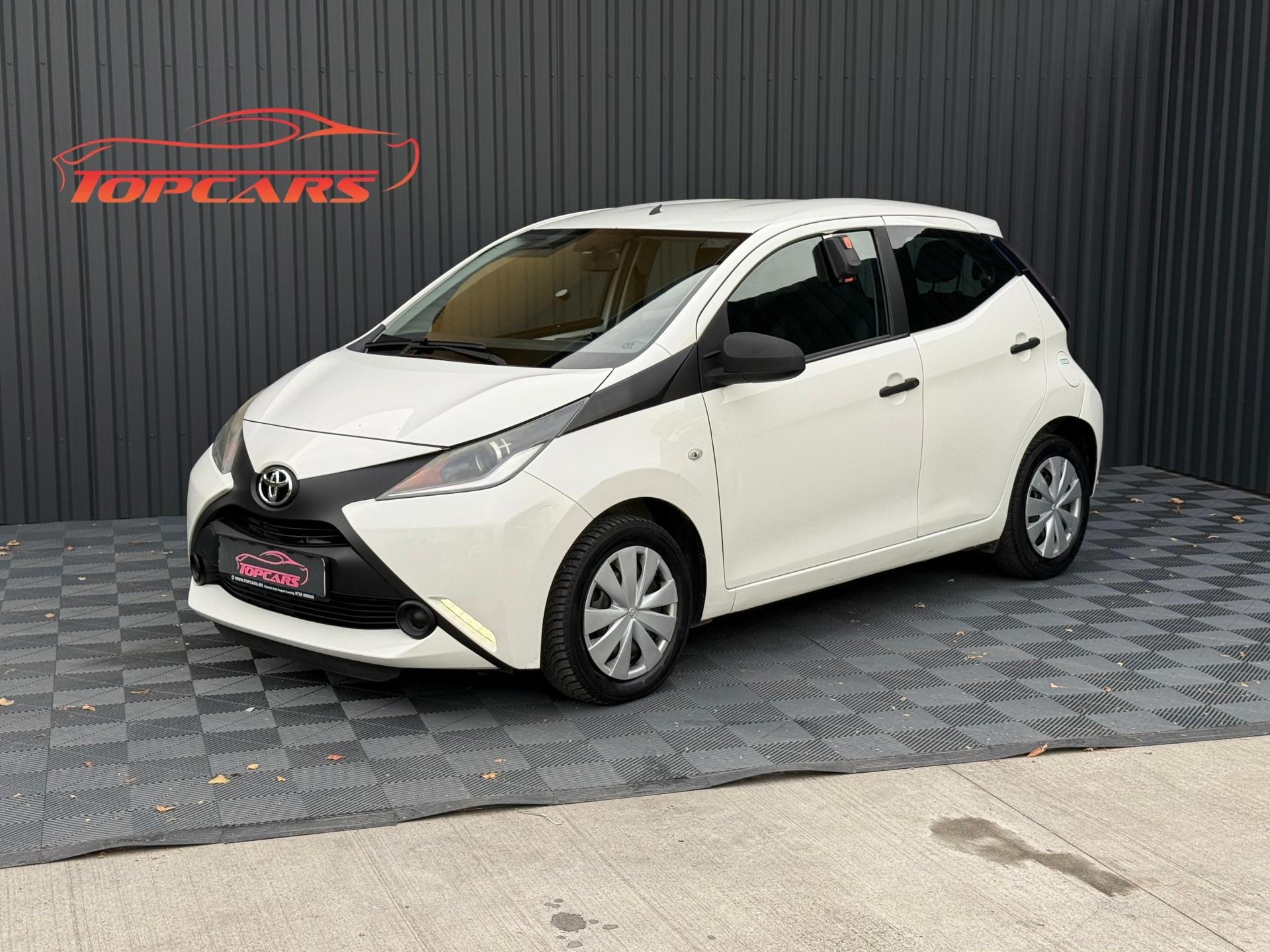
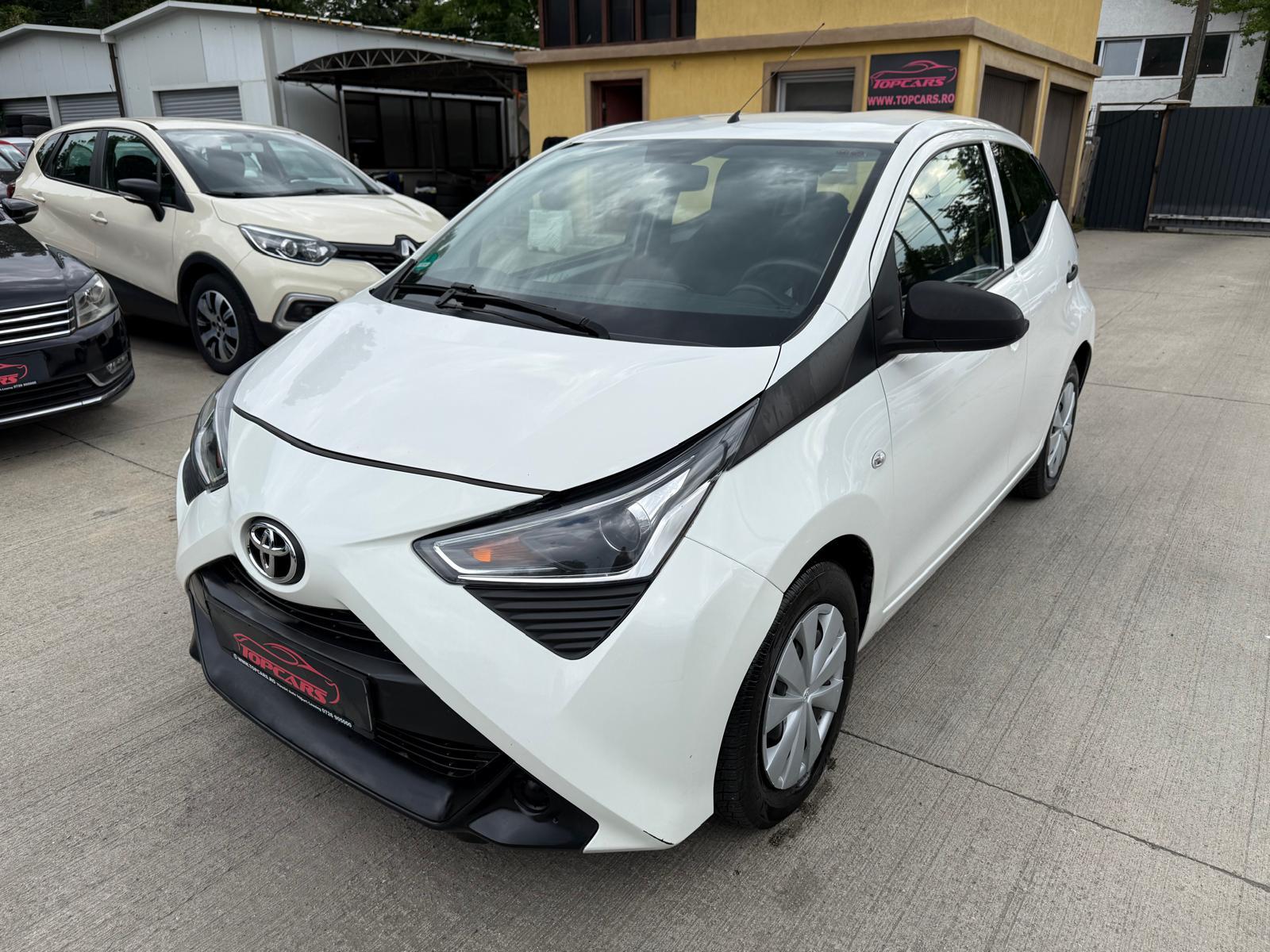
2020, gasoline, manual, 72K km, hatchback, 998 cm3, 72 hp, 1.0 VVT-i x-play cabrio, Used condition, Europa, In stock, sale date 20.10.2026 04:45

CarOutlet.eu
 Netherlands
Auction starts
20 Oct, 04:45






















 NetherlandsNetherlandsNetherlandsNetherlandsNetherlandsNetherlandsNetherlandsFranceGermanyItalyItaly
 Romania, Timiş
 Romania, ClujRomania, Cluj
 Scheia, Romania
 Romania, Sibiu
 Romania, BacăuŢânţăreni, Romania
 Romania, Ilfov
 Romania, BucureștiRomania, BucureștiRomania, București
 Greece, Attica
The tricky part of buying a Toyota Aygo in the EU market is that supply can look better on screen than it feels in real life. You may only see a handful of promising used listings, the nearest car may be several hours away, and sellers know that a tidy city car photographs well. That is exactly why the first clean-looking Toyota Aygo is not automatically the right one. With small cars, weak offers often hide behind fresh photos, short descriptions, and vague claims like “drives perfectly” or “lady owned” without any useful paperwork behind them.
If you are comparing Toyota Aygo cars for sale, slow the process down before you set off to see one. Look at the listing as if you already had to justify the trip. Does the seller show the registration documents clearly enough to match the version, year, and ownership story? Is the mileage supported by service entries, inspection records, or at least a believable maintenance timeline? With a Toyota Aygo, a thin ad is not always a bad car, but it is often a sign that you will need to ask much better questions before the viewing becomes worth your time.
A polished ad can sell the idea of an easy urban runabout, but the stronger Toyota Aygo offer is usually the one that explains itself well. Look for sellers who mention recent maintenance, keys, tyre condition, warning lights, and what does or does not work. A modest ad with six honest photos and a clear ownership story can be more promising than a glossy ad that avoids the basics.
This matters even more with a model like the Toyota Aygo, because buyers often shop emotionally at first. It is compact, easy to park, and usually enters the shortlist when someone wants lower running stress rather than more car. That creates a common mistake: people forgive missing details because the car seems simple. But simple cars still need careful checking. A city car that has lived an unglamorous life of short trips, kerb bumps, and delayed servicing can be more expensive to sort out than the listing suggests.
Before calling, compare several things side by side: photo quality, description depth, equipment consistency, visible wear, and how directly the seller answers ordinary buyer concerns. On a Toyota Aygo used listing, small clues matter. A steering wheel, gear lever, and driver’s seat that look much more worn than the stated mileage deserve a question. So do mismatched tyres, uneven panel gaps, missing service details, or a very freshly cleaned engine bay that seems prepared for the camera more than for trust.
Ask the seller to confirm a few specific points in one message or call:
You are not trying to interrogate the seller. You are checking whether the answers arrive clearly, consistently, and without irritation. Good private sellers usually know the car’s story. Good dealers usually know how to present it. Evasive answers are often more useful than reassuring ones, because they tell you where the risk sits.
A Toyota Aygo becomes worth the journey when the listing gives you enough substance to compare it properly against alternatives. That does not mean a perfect cosmetic car. It means a believable one. Try to build a simple mental scorecard: documents, maintenance history, visible condition, seller clarity, and how complete the advert feels. If one car is average in every area but transparent, it may be a better bet than a shinier example with gaps in its story.
There is also a less obvious market reality here: small hatchbacks are often treated as “cheap to own, so no need to overthink.” In practice, that mindset can produce weak listings. Owners may skip keeping invoices, dealers may write very short descriptions, and buyers may rush because another Toyota Aygo in the right colour has just appeared. The result is a market where patience can beat speed. On this page especially, where available listings may be limited, disciplined comparison matters more than excitement.
When you finally see a Toyota Aygo for sale, focus on consistency rather than perfection. Does the condition match the seller’s story? Does the interior wear fit the mileage claim? Do the doors, trim, and paint surfaces suggest ordinary use, or hurried cosmetic preparation? Start the car cold if possible, listen for anything unusual, and pay attention to how the gearbox, clutch, brakes, and steering feel in the first minutes rather than after the seller has warmed everything up.
During the test drive, do not chase drama; watch for small honesty gaps. If the seller said everything works, test everything practical you can reach. If the ad mentioned “full history,” ask to see it laid out in order. If the car is being sold as clean and ready, ask what it needed at the last service and what it may need next. A confident, straightforward answer is often a better sign than a polished sales phrase.
The smartest way to buy a Toyota Aygo is to compare not just one Aygo against another, but each listing against your real fallback option. If this one turns out to be vague, overpriced for its condition, or unsupported by documents, would you rather wait, widen your search across the EU market, or switch to a different small hatchback? That question keeps you from forcing a deal just because supply feels thin.
The right Toyota Aygo offer usually feels calm rather than urgent. The seller can explain the car, the documents support the basics, the condition makes sense for the age and mileage, and your questions do not seem to annoy anyone. If a listing looks attractive but resists ordinary transparency, keep scrolling. With a small car, the smart buy is often the one that gives you fewer surprises, not the one that wins the photo contest.
 Add as preferred sourceSee more from zvelta in Google Search Add as preferred source