EN
ENDEALER
13.448 US$DEALER
14.009 US$
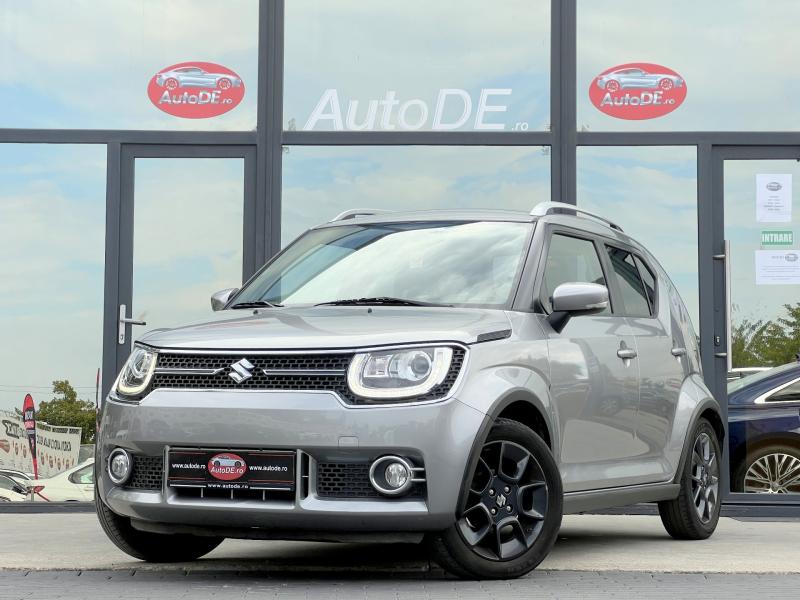
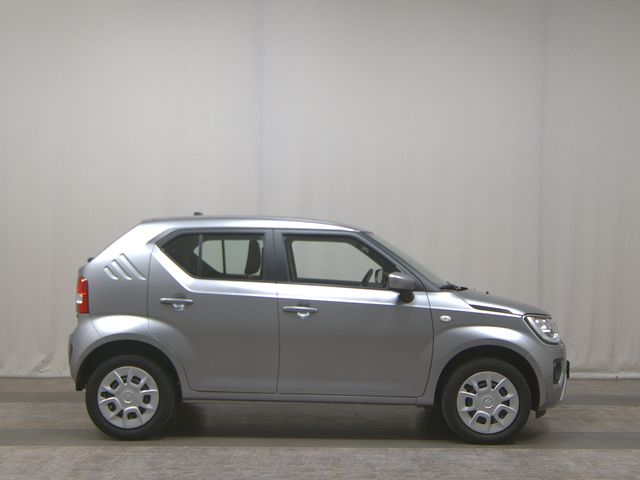
2023, gasoline, manual, 31K km, hatchback, 83 hp, grey, Ignis 1.2 Hybrid, Used condition, Japan, In stock

AutoHus.de
 Germany, Lower Saxony





















 Germany, Lower Saxony
 ItalyItaly
 Romania
 Greece, AtticaGreece, Attica
If you are shopping for a Suzuki Ignis, the smartest move is not to start with mileage or equipment. Start with the distance between curiosity and inspection. In the EU market, the Suzuki Ignis often looks like an easy small-car buy, but the real difference between a good deal and a wasted weekend is whether the listing gives you enough confidence to justify the trip. With only a small number of visible offers at times, it is tempting to chase the first decent ad. That is exactly when buyers overpay for vague history, poor photos, or a seller who knows the car will not stand up to close inspection.
The Suzuki Ignis attracts a very particular buyer: someone who wants compact size, everyday usefulness, and a car that feels a bit more distinctive than the usual small hatchback. Because of that, listings can look more appealing than they really are. A neat color, a higher seating position in the photos, or a tidy interior can create urgency fast. In a multi-country EU search, that urgency gets even more dangerous. A car that is two hours away is one thing; a car that requires crossing a border, arranging time off, and dealing with paperwork in another language is another.
Before you message the seller, compare the ad like a travel decision. Does the Suzuki Ignis listing clearly show the body from all angles, the seats, the dashboard, the luggage area, and close-ups of common wear points? Are the registration documents, service records, or at least a believable maintenance story mentioned? If the seller expects you to travel but gives you only six dark photos and one-line answers, that is already useful information. Weak listings become expensive when distance is involved.
A good Suzuki Ignis for sale ad often has a calm, matter-of-fact tone. It explains who used the car, how it was maintained, what has been replaced recently, and whether there are cosmetic issues worth mentioning. Sellers who openly show scratches, worn trim, or stone chips can actually be easier to trust than sellers who write almost nothing and rely on a polished hero photo. With the Suzuki Ignis, honesty matters more than presentation because many buyers are searching for an uncomplicated ownership experience, not just a pretty listing.
One useful comparison trick: read three or four Ignis ads in a row and ignore price for a moment. Which seller sounds like they actually know the car? Which one describes the service history in sentences rather than buzzwords? Which one mentions how long they have owned it and why they are selling? When the market is thin, buyers often lower their standards too early. A scarce model does not mean every offer deserves a viewing.
For a cross-border or longer-distance Suzuki Ignis search, your first message should save you from unnecessary travel. Ask for the exact mileage as shown in the cluster, whether the seller has service invoices or a stamped book, whether there are warning lights, and whether any noticeable faults appear during cold start, idle, shifting, braking, or over bumps. Ask if all keys are present and whether the car has had recent paintwork. If the answer is vague, ask for a short walkaround video and a cold-start video.
That last request is more valuable than many buyers realize. A seller willing to send a simple, unedited video usually understands that distance changes the rules. In the EU market, where a Suzuki Ignis might sit in a different country from the buyer, transparency is part of the offer. If the seller avoids basic proof and keeps saying “come see it,” treat that as a signal, not an invitation.
Here is the less obvious part of buying a Suzuki Ignis: the car itself may be simple to understand, but the ownership pattern behind it can vary a lot. Some examples were clearly bought for practical urban use and kept with minimal drama. Others may have changed hands quickly, been advertised repeatedly, or been prepared just enough to photograph well. That is why seller behavior matters almost as much as the car. Fast replies, consistent details, and specific answers usually beat enthusiastic claims every time.
Another subtle clue is how the seller frames the model. If they speak naturally about why they chose a Suzuki Ignis, how it fits daily life, or what they liked and disliked, you are probably dealing with a real owner. If the description feels generic enough to fit any small car, slow down. On niche-ish small cross-city models, generic ads can hide generic knowledge.
Go view the Suzuki Ignis when the basics line up before the trip: clear identity of the car, believable history, enough photos to judge condition, seller answers that do not shift, and documents that seem ready rather than “somewhere at home.” Once there, match the real car to the ad carefully. Check panel alignment, wheel condition, seat wear, switchgear, infotainment if fitted, tire age, and whether the cabin condition fits the stated mileage. During the drive, pay attention not just to major faults but to whether the car feels consistently cared for.
If you are comparing this Suzuki Ignis with more common alternatives, remember the decision is not only about specification. It is about how much uncertainty you are buying. A slightly less exciting listing with better history, clearer ownership, and less travel friction can be the stronger deal. In a thin EU market, patience is part of the budget. The right Suzuki Ignis should earn the journey before you make it.
 Add as preferred sourceSee more from zvelta in Google Search Add as preferred source