 EN
ENDEALER
1.118 US$DEALER
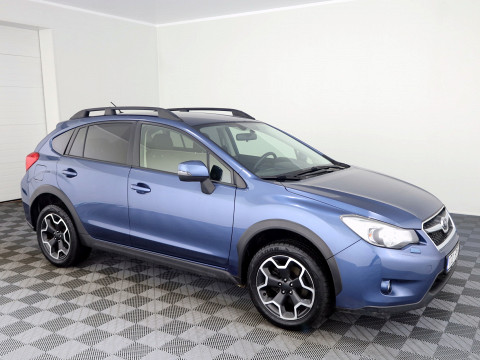
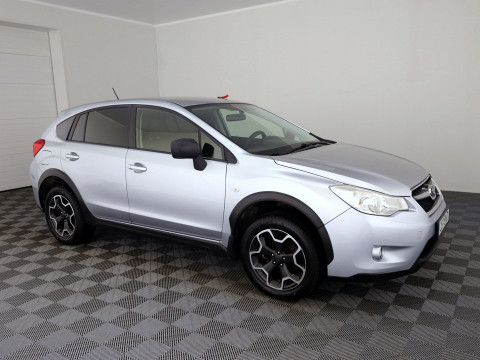
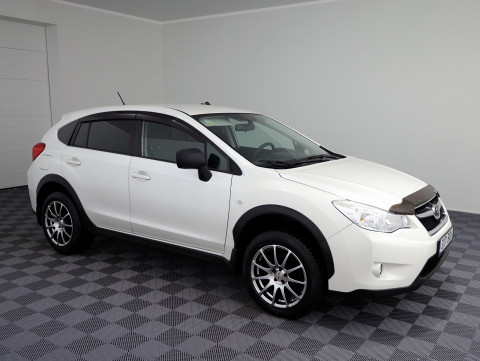
2012, diesel, manual, 144K km, hatchback, All Wheels Drive, 2,000 cm3, white, Used condition, Japan, In stock

BaltiCar.com
 Estonia, Harjumaa






















 Estonia, HarjumaaEstonia, HarjumaaEstonia, Harjumaa
 Miškiniai, EstoniaMiškiniai, Estonia
 Poland, Lesser PolandPoland, Lesser Poland
 Bacau, Romania
 Romania, Bacău County
If you are shopping for a Subaru XV, the smartest first step is not chasing the cheapest ad. It is deciding whether the specific car in front of you looks like one that has been lived with carefully. A good Subaru XV listing should quickly tell you what daily ownership has been like: how the car was serviced, where it spent most of its time, whether the photos show honest wear, and whether the seller sounds like someone who actually knows the car. On a model like this, that matters more than a polished description full of vague praise.
A strong used Subaru XV offer tends to feel coherent. The mileage, cabin wear, steering wheel condition, tyres, service records, and seller story should all make sense together. If the car is presented as lightly used but the photos avoid the driver seat, load area, or close-ups of the controls, slow down. If the seller says it was "always maintained" but gives no dates, invoices, or workshop names, ask for detail before arranging a visit.
In the European market, buyers often look at the Subaru XV because they want something more reassuring in bad weather than an ordinary hatchback, but less bulky than a traditional SUV. That means many shoppers are not just buying transport; they are buying a certain kind of everyday calm. School run, wet motorway, rougher side road, ski weekend, muddy parking area, long commute with no drama. A trustworthy listing should support that image with evidence of careful ownership, not just lifestyle language.
With a Subaru XV, the ad itself can tell you a lot. Sellers who mention recent maintenance, tyre condition, service intervals, warning lights, and what works or does not work are usually easier to deal with than sellers hiding behind short one-line descriptions. Ask them simple but revealing questions: How long have you owned this Subaru XV? Why are you selling it? Do you have service invoices or only a stamped book? When was it last serviced? Has it spent most of its life in the city, on motorways, or in more rural use?
Then move from the story to specifics. Ask whether there are two keys, whether all driver aids and infotainment features work as they should, and whether there are any noises on cold start, during tight turns, or under braking. If the seller becomes slippery when the questions get practical, that is useful information. A better offer often comes from someone who answers plainly, even when the answer is imperfect.
One less obvious thing about shopping for a Subaru XV is that it is often bought by people who keep cars for a while and use them in a very regular, real-life way. That can be a positive sign. A car that has clearly been part of someone’s routine often shows up with sensible tyres, matching maintenance records, a tidy boot, working accessories, and a believable explanation for every cosmetic mark. That is different from a hurried resale listing that tries to flatter the car without saying much.
So when comparing Subaru XV cars for sale, picture ownership, not just specification. Does this look like a car that was simply used and looked after? Would you feel comfortable getting into it for a winter morning commute or a weekend away without first budgeting for surprises? Buyers sometimes over-focus on trim and under-focus on ownership texture. The second one is usually what decides whether the deal feels good after the purchase.
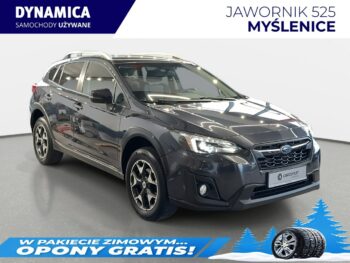
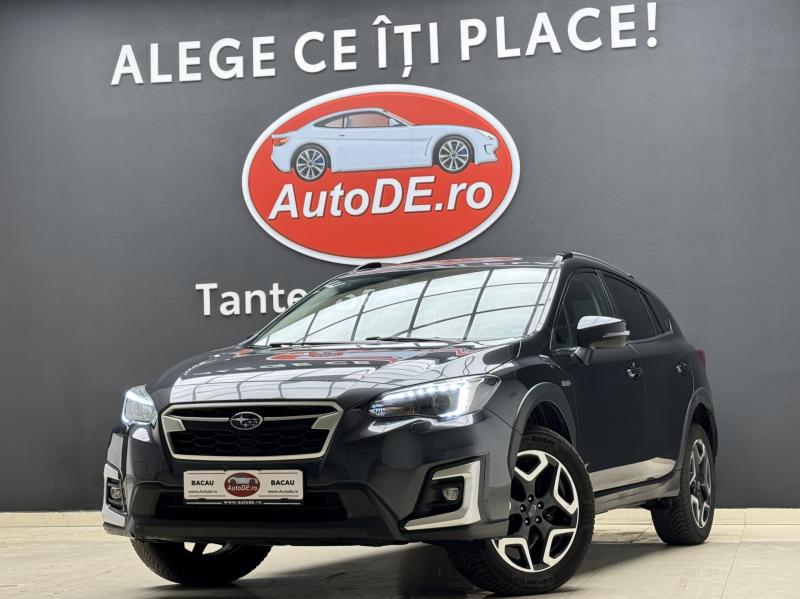
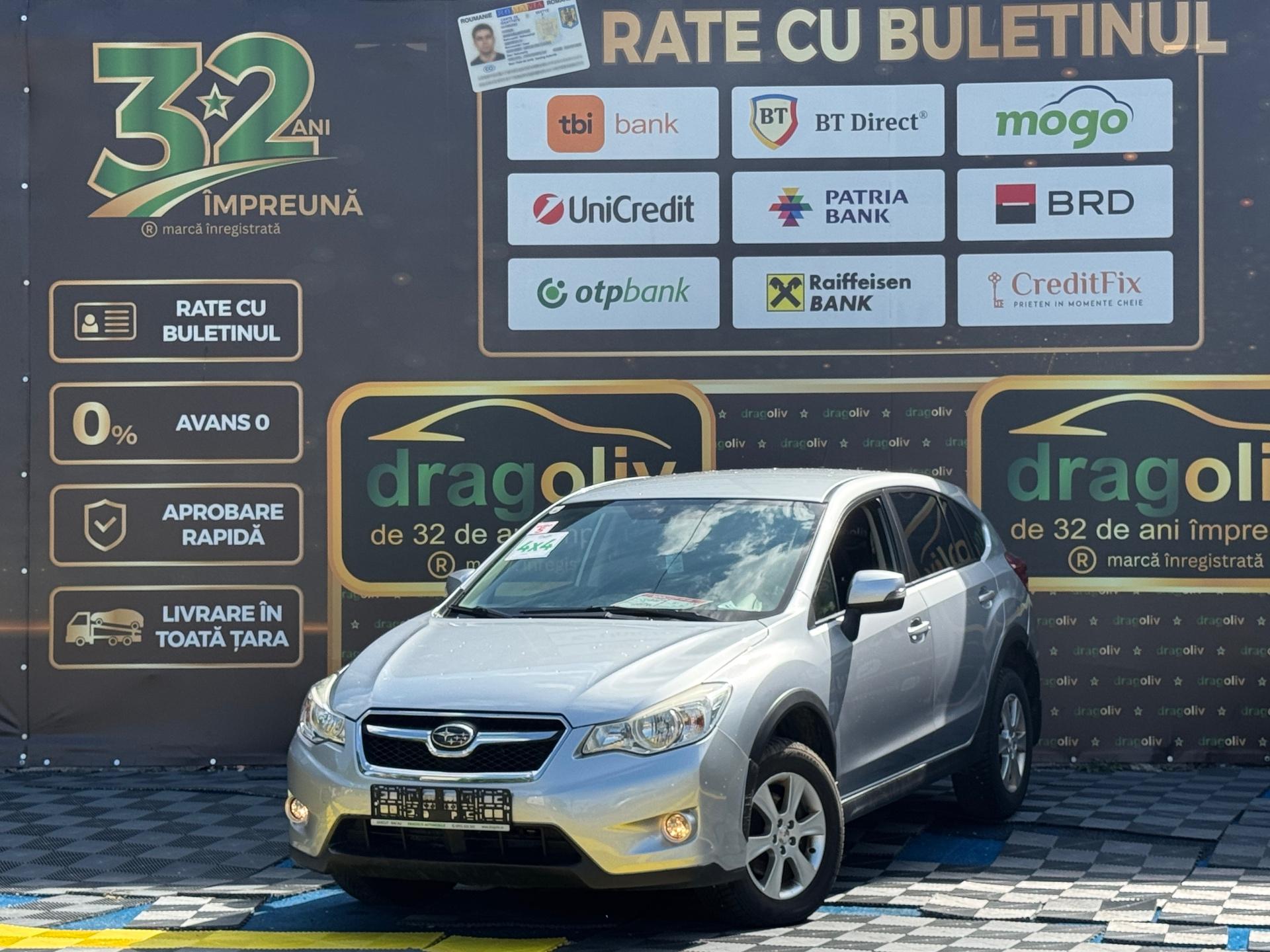
A proper Subaru XV listing should show the body evenly, the wheels clearly, the seats in daylight, the boot area, and the dashboard with the ignition on. You want to see not only the flattering angles but also the places where honest ownership leaves clues. Look for consistency in panel gaps, paint reflections, tyre brand matching, and the general level of care inside. If exterior photos are excellent but the interior is dark, blurred, or incomplete, ask for more before travelling.
The same goes for documents. A seller does not need a perfect folder to have a good car, but they should be able to explain the maintenance history in a way that sounds natural. For a used Subaru XV, ask what has been done recently, what may be due next, and whether the current owner would set off across Europe in it tomorrow without hesitation. That last question is surprisingly effective. People answer it with either confidence or caution, and both are informative.
Weak Subaru XV ads often share a pattern: too few photos, generic wording, no mention of maintenance, no explanation for visible wear, and a seller who keeps pushing the conversation toward urgency. Be careful with listings that seem designed to make you act before you think. A cleaner ad with slightly higher asking money can be the safer buy if it comes with believable history and a seller who is comfortable being checked.
In a broad EU search, it is also worth comparing how sellers describe similar cars. If one Subaru XV ad gives you registration history, maintenance timing, tyre status, and a clear equipment list, while another mainly says "drives great," that difference matters. People usually advertise cars the way they cared for them: either with attention, or with shortcuts.
Can you imagine living with this exact Subaru XV, not merely owning it on paper? That is the useful final filter. You are not buying a badge or a promise; you are buying the morning starts, the cabin you will sit in, the small faults you will notice after three days, and the confidence you will either have or not have on a wet evening drive. The best Subaru XV offers feel trustworthy because the whole picture lines up: the seller story, the photos, the service history, the condition, and the way the car has clearly been treated.
If an offer leaves too many loose ends, keep looking. With the Subaru XV, patience is usually rewarded. The right car rarely needs hard selling; it simply makes sense the more closely you inspect it.
 Add as preferred sourceSee more from zvelta in Google Search Add as preferred source