 EN
DEALER

31.368 US$DEALER
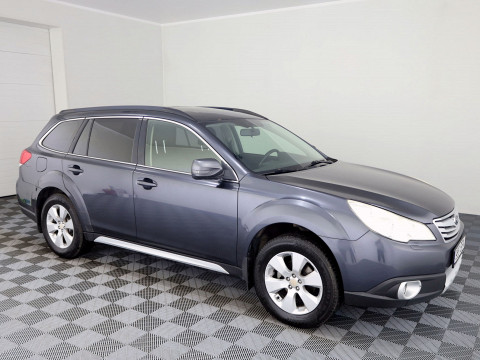
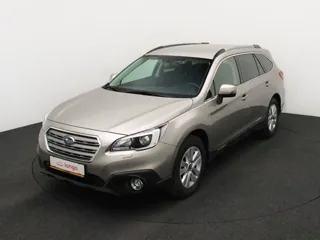
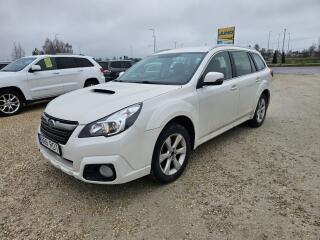
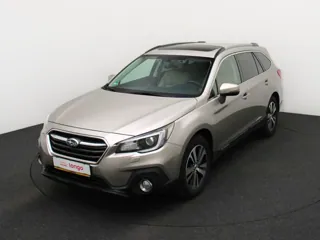
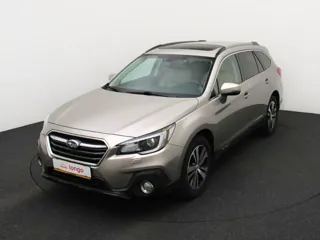
2026, gasoline, automatic, 9K km, wagon, 2,498 cm3, 169 hp, grey, SUBARU / 2021 / 5P / familiar 2.5i Touring CVT Lineartronic AWD, Used condition, In stock

CarOutlet.eu
 Belgium






















 Belgium
 Estonia, HarjumaaEstonia, Harjumaa
 Estonia, HarjumaaEstonia, HarjumaaEstonia, Harjumaa
 Torņakalns, EstoniaTartu linn, EstoniaTartu linn, EstoniaMiškiniai, LithuaniaMiškiniai, Lithuania
If you are shopping for a Subaru Outback, the smartest move is not to ask "Is this a good car?" but "Is this specific listing worth my time?" On a market page with only a few Subaru Outback offers, every ad can look important, and that is exactly when buyers risk chasing weak cars just because there is not much to compare. Build a shortlist in three stages: listings worth a call, listings worth seeing in person, and listings to skip even if the price seems attractive.
A promising Subaru Outback ad should answer basic questions before you even contact the seller. Look for clear photos from multiple angles, a readable description, visible interior condition, and at least some effort to explain history, ownership, servicing, or recent work. A vague ad with one dark photo and a price meant to trigger urgency is not automatically a bargain. In the EU market, where buyers often compare cars across borders and across several similar wagons or crossovers, weak presentation usually means you will have to do too much detective work.
The first shortlist is simple. A Subaru Outback listing deserves a call if the mileage, condition, equipment, and registration story seem consistent with the photos. It deserves a visit only if the seller can support that first impression with useful answers. If the ad already looks confused, do not assume the inspection will somehow become clearer.
Call the ads that show coherence. That sounds obvious, but it is where many buyers lose discipline. On a used Subaru Outback, you want the photos, wear, and written claims to match each other. If the steering wheel, driver's seat, boot trim, and switchgear look heavily worn while the mileage is presented as especially modest, ask questions early. If the seller mentions recent maintenance, ask what exactly was done and whether there are invoices or stamped records. If the car has been imported, ask when, from where, and whether the documentation chain is complete.
This is also the stage to ask practical ownership questions rather than broad ones. Instead of "Is everything okay with the car?" ask: has the transmission had any diagnosis or servicing, are there warning lights on cold start, does the car track straight, are there any oil leaks visible underneath, and what tires are fitted now? You are not demanding perfection; you are checking whether the seller speaks like an owner who knows the car or like someone trying to move stock quickly.
That matters more than people think. Buyers usually put the Subaru Outback on a shortlist because they want a specific mix of wagon practicality, raised ride height, everyday comfort, and all-weather confidence. That means a weak listing is easier to spot than with a more emotional purchase. If an ad cannot clearly show load space condition, rear-seat wear, underbody cleanliness, or the general life the car has lived, it misses the reasons people shop for a Subaru Outback in the first place.
A less obvious clue: some sellers lean too heavily on the model's reputation and expect the badge to do all the work. Be careful with ads that say, in effect, "It is a Subaru Outback, so you already know." No, you do not. You still need to know how this particular car was maintained, how honestly it is photographed, and whether its use pattern fits your plans. A good seller helps you compare; a weak seller hides behind the model name.
Go see the Subaru Outback only after the phone call improves the listing rather than weakening it. The best ads become more convincing when you ask direct questions. The seller can explain service history without irritation, send extra photos if needed, describe cosmetic flaws before you arrive, and confirm document status clearly. That is usually a better signal than polished sales language.
During the visit, keep your attention on expensive uncertainty rather than minor cosmetic defects. Stone chips, small trim wear, or age-related marks may be normal. What matters more is whether panel gaps, glass dates, tire condition, damp areas, warning lights, rough running, or inconsistent wear suggest hidden stories. On a Subaru Outback, also pay attention to whether the car feels evenly maintained rather than freshly prepared for sale in only the visible areas. Clean seats and shiny tires do not compensate for a confused service file.
Skip the Subaru Outback offers that force you to make excuses on the seller's behalf. Missing paperwork, evasive ownership answers, bad photos, unexplained dashboard lights, contradictory mileage signals, or refusal to allow an inspection are enough to move on. In a thin market, buyers often talk themselves into "maybe it is still worth a chance." Usually it is not.
Another trap in the EU market is false comparison logic. A cheaper Subaru Outback is not necessarily better value if it immediately raises questions about maintenance history, accident quality, import paperwork, or neglected wear items. With only a handful of cars for sale, your best option may be the one that is easiest to verify, not the one with the most tempting headline price. Good used-car buying is often about reducing uncertainty first and negotiating second.
Before you commit, compare each Subaru Outback listing against the role it needs to play in your life. Are you choosing it over a conventional estate, a softer family crossover, or another all-wheel-drive option? That helps you judge each offer more honestly. A car with average equipment but clear history may beat a nicer-looking example with unanswered questions. A seller who provides chassis details, service records, and transparent photos may deserve your time more than one offering a lower number and less clarity.
The practical shortlist mindset is what keeps this search sane. One Subaru Outback listing deserves a call because it looks coherent. Another deserves a visit because the seller confirms the story with useful detail. A third deserves to be skipped because too many basics are missing. If you keep making that distinction, you are far less likely to waste weekends on weak cars and much more likely to spot the Subaru Outback that is genuinely worth owning.
 Add as preferred sourceSee more from zvelta in Google Search Add as preferred source