 EN
ENDEALER

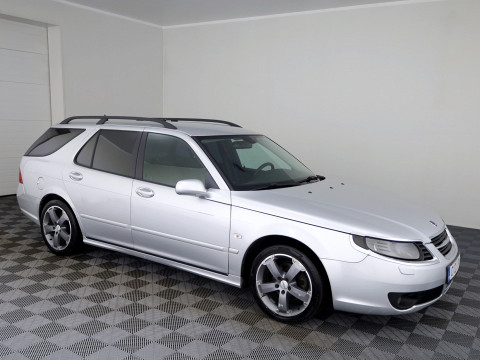
2000, gasoline, manual, 136K km, sedan, 1,985 cm3, 131 hp, grey, cabrio 2.0 se, Used condition, Europa, In stock, sale date 21.10.2026 03:15

CarOutlet.eu
 Netherlands
Auction starts
21 Oct, 03:15






















 NetherlandsNetherlands
 Estonia, Harjumaa
If you are looking at Saab listings, you are probably not shopping by habit alone. Most buyers who pause on a Saab already want something with a bit more personality than the average used car, and that changes how you should search. The smart approach is not to ask only whether a Saab is cheap or clean enough. Ask whether the seller understands the car, whether the ad reflects careful ownership, and whether the specific example fits your tolerance for quirks, maintenance history, and parts chasing across the EU market. With a brand like Saab, those questions matter early, before you spend time arranging a viewing.
Saab tends to appeal to buyers who enjoy cars with a distinct identity. That can be a strength in the used market, because some Saab owners are genuinely attentive and keep paperwork, service notes, spare keys, and small replaced parts. It can also be a trap, because “enthusiast-owned” in a listing does not automatically mean “well sorted.” When comparing Saab cars for sale, read the ad for signs of real care rather than romantic language. A short but precise description with recent work, clear photos, honest blemishes, and a seller who can explain what has been fixed often tells you more than a flowery ad full of praise.
A less obvious point: Saab is one of those brands where buyer intent is often more focused than broad. People rarely stumble into it by accident. That means weak offers may stay online longer, while the genuinely coherent cars can attract attention quickly even without flashy presentation. So if one Saab seems under-described but carefully photographed and sensibly maintained, it may be worth a message. If another looks shiny but vague, with no maintenance history and no explanation of recent work, be more cautious than you might be with a common mainstream brand.
When you open several Saab listings side by side, resist the temptation to judge mainly by mileage and price. Condition, ownership logic, and documentation can matter more here. Compare how complete the ad is. Does the seller mention service history, receipts, old inspection records, or recent maintenance? Are the interior and engine-bay photos missing while exterior shots are heavily polished? Has the car clearly been sitting, or does it look like a car that has been used and looked after?
In the European market, it also helps to think one step ahead about availability and practicality. If you are choosing between two Saab offers, the better buy may be the one with a more transparent history, more standard-looking condition, and fewer unresolved little issues. Cosmetic tidiness without proof of care is less convincing than an honest used Saab with visible age but a believable paper trail. This is the sort of brand where a stack of invoices can calm your nerves more than a dramatic set of listing photos.
A good first message saves time. Ask what has been done recently, how long the seller has owned the Saab, whether there are warning lights, what works and does not work, and whether there is documentation for maintenance. Ask whether the car starts easily from cold, whether the gearbox behavior has changed over time, and whether there are any known electrical faults or intermittent issues. You do not need a perfect answer to every question, but you do want answers that sound specific rather than evasive.
Also ask why the car is being sold now. With Saab, the reply can be surprisingly revealing. A calm, ordinary answer is usually better than a dramatic story. If the seller avoids simple ownership questions, keeps repeating that the car is “rare,” or pushes urgency before offering basic details, slow down. Scarcity alone does not make a listing strong. In fact, with niche brands in the EU market, weak sellers sometimes lean too hard on the brand’s image instead of the actual condition of the car.
There is a particular pattern to many decent Saab ads: they often sound a little understated. The owner may mention long-term use, recent maintenance, known cosmetic marks, and one or two remaining jobs. That kind of honesty can be a positive signal if the rest of the listing lines up. By contrast, be wary of ads that say almost nothing except that the Saab is special, powerful, collectible, or “for a true fan.” Those phrases are not proof of anything.
Photos matter too, but not in the obvious way. You are not just looking for a shiny exterior. Look for consistency. Does the wear on the steering wheel, seats, pedals, and switches match the claimed condition? Are panel gaps, trim pieces, and lights shown clearly? Is the trunk photographed, or only the most flattering angle of the front three-quarter view? Sellers who know they have a solid Saab usually do not need to hide the ordinary parts of the car.
The best reason to buy a Saab is not that it is different. It is that the specific car in front of you makes sense for your budget, your patience level, and your expectations from ownership. If you want a very simple buying process with endless easy comparisons, a common mainstream alternative may fit better. But if you enjoy character, can read a listing carefully, and are prepared to reward a well-kept example over a cheap-looking temptation, Saab becomes much more interesting.
That is really the right mindset for browsing Saab cars for sale in Europe. Treat the brand as a filter for a certain kind of ownership story, not as a guarantee. The right offer will usually feel coherent: sensible photos, believable maintenance history, a seller who answers plainly, and a car that looks used rather than disguised. When those pieces come together, Saab is one of the few badges that can still make a routine used-car search feel personal.
 Add as preferred sourceSee more from zvelta in Google Search Add as preferred source