 EN
ENDEALER

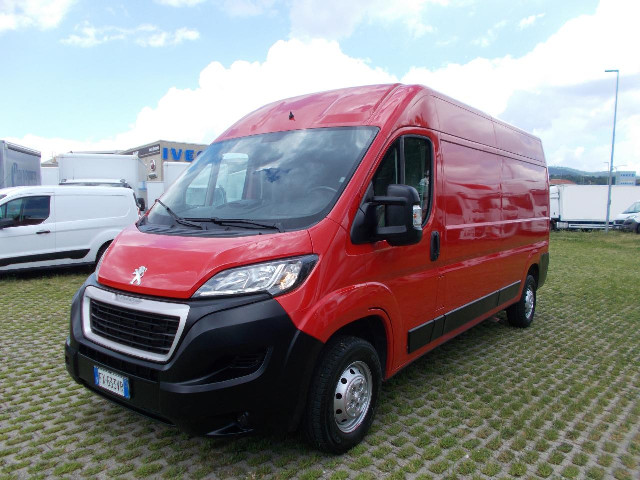
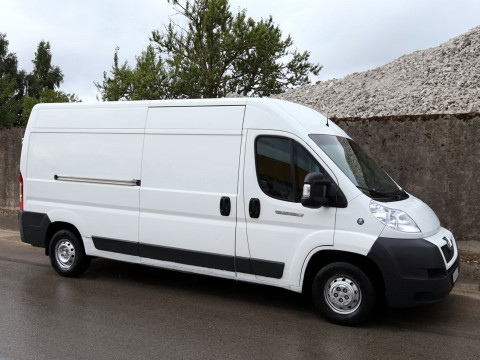
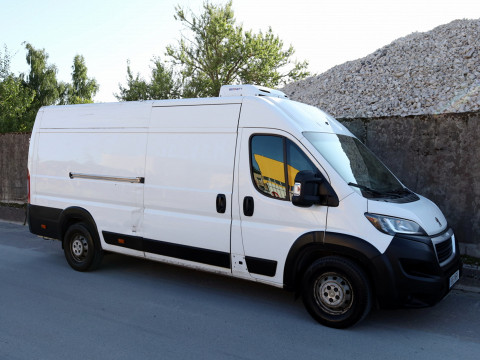
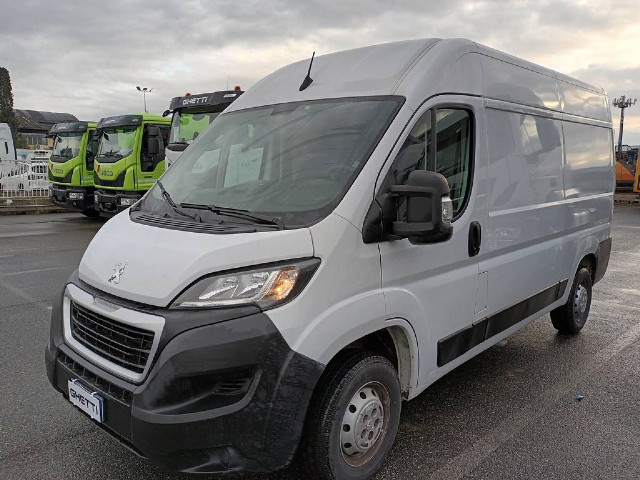
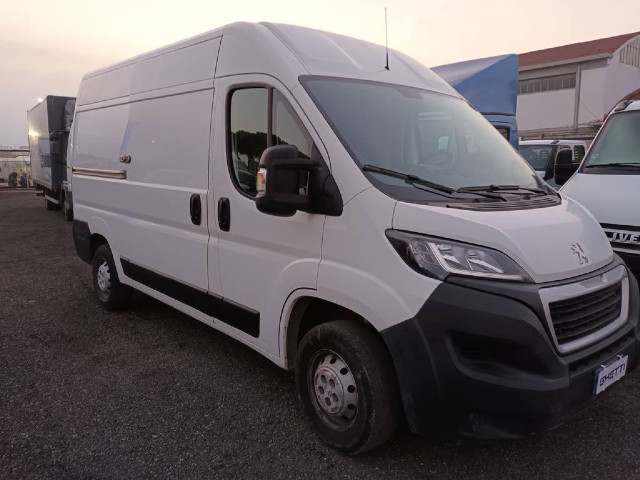
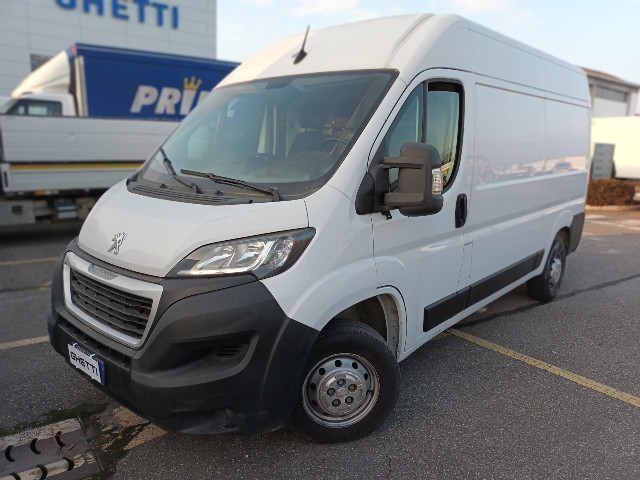
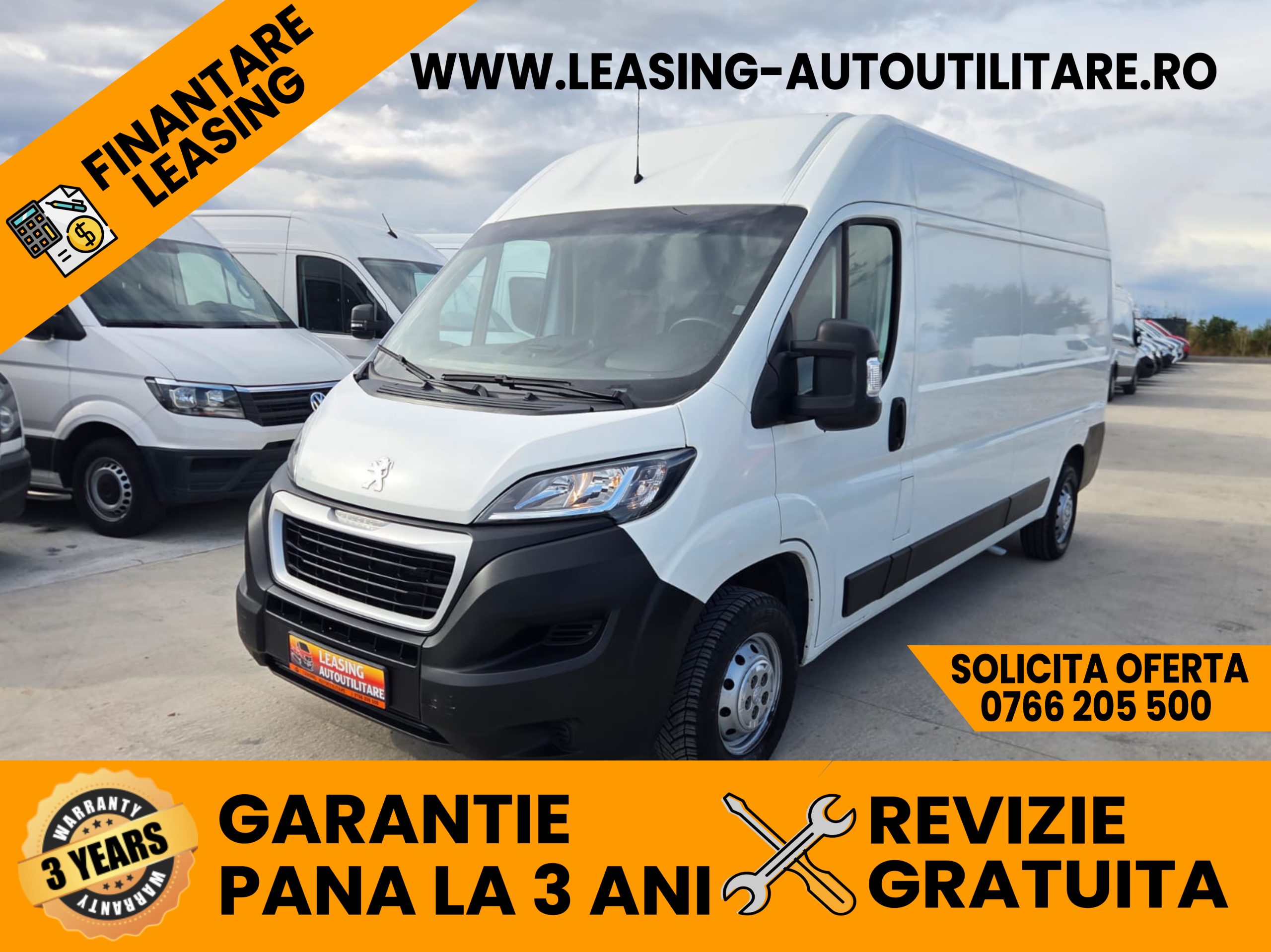
2019, diesel, manual, 168K km, VAN, 131 hp, white, 2.0 BlueHDi L2H1 Premium S&S, Used condition, In stock, sale date 22.10.2026 03:15

CarOutlet.eu
 Belgium
Auction starts
22 Oct, 03:15






















 BelgiumBelgiumBelgiumBelgiumBelgiumNetherlandsNetherlandsFranceFranceFranceFranceFranceFrance
 Moncalieri, Italy
 Estonia, HarjumaaEstonia, HarjumaaItalyPonte a Giogoli, ItalyPonte a Giogoli, ItalyPonte a Giogoli, ItalyCazzago-Ex Polo, ItalyTor Sapienza, Italy
 Romania, Cluj
 Comuna Găneasa, RomaniaComuna Găneasa, Romania
A good Peugeot Boxer shortlist should get narrow quite fast. When you compare Peugeot Boxer listings, the goal is not to admire every van for sale; it is to separate the ones worth a phone call from the ones worth a real visit, and then quietly discard the tempting but weak offers. That matters even more in the EU market, where Boxer ads can look similar at first glance while hiding very different working lives.
Start with the listings that make the van easy to understand. A strong Peugeot Boxer ad usually shows the body clearly from all sides, the cargo area, the cabin, the mileage display, and enough detail to judge how the van has been used. Look for a description that explains the version in plain terms: wheelbase, roof height, payload role, seating layout, or whether it was used for delivery work, trade work, passenger transport, or camper conversion. Even before you contact the seller, this helps you decide whether the van fits your job or just happens to be cheap.
The best candidates for a first call are often not the cheapest ones. They are the offers where the seller seems to understand what buyers of a Peugeot Boxer actually need to know: service history, recent maintenance, document status, visible wear, and what may need attention next. If the ad avoids basics and leans only on vague phrases like "runs well" or "good condition," treat it as an incomplete pitch, not a bargain.
A Peugeot Boxer can look honest in photos yet still be a poor use of your time. Before arranging a visit, compare three things across several used listings: mileage relative to age, signs of commercial wear, and how specific the maintenance story is. Commercial vans live hard lives. That is normal. What matters is whether the wear matches the story.
For example, worn seats, polished steering wheel surfaces, damaged cargo lining, and heavy loading marks may be perfectly acceptable on a working Peugeot Boxer if the seller is open about the use history and has evidence of upkeep. The same wear becomes a red flag when the ad presents the van as lightly used while the interior says otherwise. A viewing candidate is an offer where the condition, the wording, and the photos agree with each other.
This is where many buyers waste time. They chase the lowest-price Peugeot Boxer in the results, then spend two days discovering why it was cheap. In the EU market especially, buyers often search broadly across borders or across several countries, so weak listings can look attractive simply because the photos were taken well. Nice photography is not the same thing as a coherent ownership story.
When you call about a Peugeot Boxer, do not ask only "Is it still available?" Use the first conversation to test whether the seller knows the van or is just moving metal. Ask what work the van did most often, who used it, and what has been repaired recently. Ask whether the mileage is documented through service invoices or inspection records. Ask whether there are warning lights, gearbox issues, starting problems, or anything the seller would fix before using it on a long workday.
Then ask one simple question that often tells you a lot: Why are you selling this Peugeot Boxer now? A clear answer does not guarantee a good van, but a vague or evasive answer can save you a wasted trip. If the seller cannot explain ownership length, recent maintenance, or even the exact configuration of the van, move that offer down the list.
One less obvious thing about shopping for a Peugeot Boxer is that buyers often focus on purchase price while underestimating downtime. For a private car, a delayed repair is annoying. For a van, it can disrupt deliveries, jobs, schedules, or conversion plans. That is why a more expensive Peugeot Boxer with believable maintenance history may be the smarter buy than a bargain example with missing records and suspiciously fresh cosmetic cleanup.
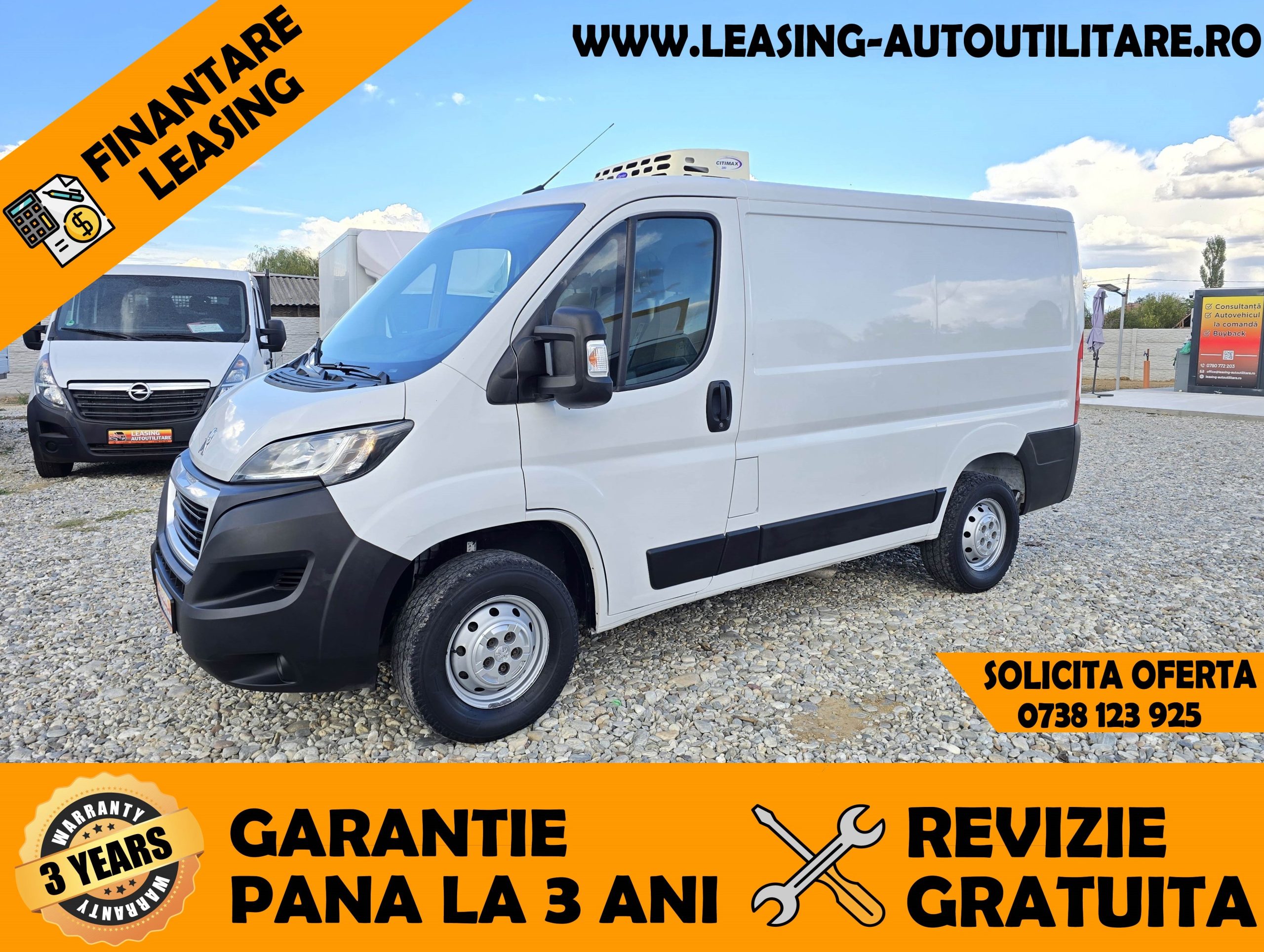
The same logic applies to converted or highly specialized versions. If a Boxer has shelving, extra seats, refrigeration equipment, workshop fittings, or camper-related changes, do not assume those extras add value for your use. Sometimes they do; sometimes they only make the van harder to assess. A practical shortlist keeps returning to the same question: does this exact van suit the work I need it to do next month, not just the price I want to pay today?
A useful trick is to compare each Peugeot Boxer offer against your own non-negotiables, not against the seller's wording. Write down your must-haves: body length, roof height, cargo condition, seat count, transmission preference, document clarity, and acceptable mileage range. Then review new and used listings with those points in mind. This keeps you from being distracted by bright paint, polished photos, or a low headline price.
If two Peugeot Boxer vans seem close, give extra weight to the one with better evidence. Evidence can mean clearer service records, more transparent photos, a seller who answers directly, or a cleaner explanation of past use. A van with honest wear and strong documentation is often safer than a shinier one with gaps in the story.
Go see a Peugeot Boxer when the ad is specific, the seller is consistent, the visible wear makes sense, and the history is at least partly supported by documents. Walk away, or at least delay the trip, when key details keep changing, the seller avoids direct answers, the photos hide the cargo area or cabin wear, or the listing feels written to create urgency instead of trust.
The smartest way to shop this page is simple: let most offers fail early. A good Peugeot Boxer is not just a van that starts and moves. It is a listing that survives comparison, survives questions, and still looks believable enough to earn your visit.
 Add as preferred sourceSee more from zvelta in Google Search Add as preferred source