EN
ENDEALER

1.008 US$DEALER
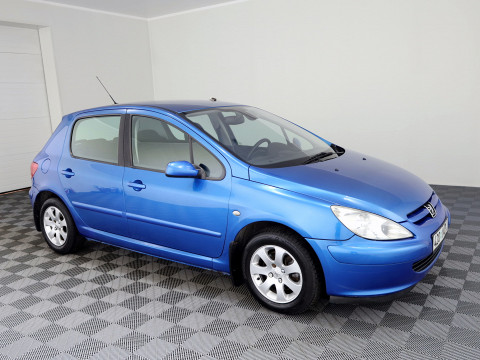
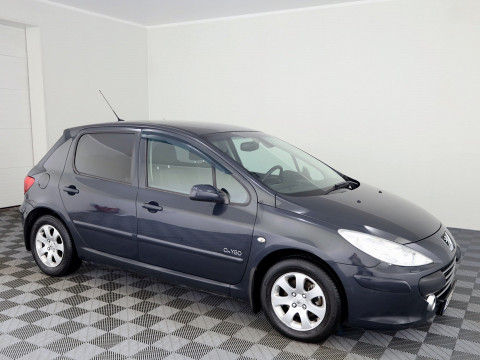
2007, gasoline, manual, 295K km, hatchback, Front Wheels Drive, 1,600 cm3, grey, Used condition, Europa, In stock

BaltiCar.com
 Estonia, Harjumaa






















 Estonia, HarjumaaEstonia, HarjumaaEstonia, HarjumaaEstonia, Harjumaa
 Romania, Bacău
 Romania, Bacău
If you are looking at a Peugeot 307, the smartest move is not to ask whether the model is “good” in the abstract. Ask which specific offer deserves your time. On a model like this, weak listings can look tempting because the entry price often pulls attention first. A better approach is to build a short, ruthless shortlist: one group of Peugeot 307 ads worth calling about, a smaller group worth seeing in person, and a third group to skip even if the photos look tidy.
Start with the listing itself. A promising Peugeot 307 offer usually gives you enough to work with before you contact the seller: clear exterior photos from several angles, at least one interior shot, readable mileage, engine and gearbox information, and some mention of maintenance history. You are not looking for perfection; you are looking for evidence that the seller understands the car they are selling.
Skip straight past ads that hide basic details, use only old low-resolution images, or say almost nothing beyond “runs well.” With older used cars for sale, vagueness is rarely your friend. If a seller cannot be bothered to describe the condition, ownership background, warning lights, service work, or known faults, you should assume you will need to uncover those things yourself later. That usually means wasted time.
A good phone-call candidate is not automatically the cheapest Peugeot 307 in the market. It is the one where the story hangs together. Mileage should feel plausible relative to the wear you can see on the steering wheel, driver seat, pedals, and gear lever. If the cabin looks heavily worn but the mileage sounds unusually low, that is not proof of a problem, but it is exactly the kind of mismatch that should move the car lower on your shortlist.
Once a Peugeot 307 passes the first screen, the next question is whether it deserves a physical inspection. This is where many buyers get distracted by trim level, wheels, or a freshly polished body. Cosmetic appeal matters, but on an older Peugeot 307 it should not outrank paperwork and ownership clarity.
Ask the seller a few plain questions before arranging anything:
You are not trying to conduct a remote inspection. You are checking whether the seller answers directly or starts drifting into fuzzy reassurance. Good sellers usually answer with specifics. Weak sellers often switch to phrases like “for its age it is normal” or “you need to see it yourself.” Sometimes that is fair. More often, it is a sign that the ad was written to generate calls, not confidence.
Here is the less obvious thing with the Peugeot 307 in the wider EU market: buyers often get pulled toward whichever ad looks newest online, even when the better choice is the car with a less flashy presentation but clearer maintenance evidence. On mainstream older hatchbacks, wagons, and family cars, the strongest offer is often the one with boring honesty. A seller who openly mentions a small cosmetic issue, worn tires, or a minor crack in a trim piece can actually be easier to trust than one presenting a suspiciously flawless budget car.
Some ads should be ruled out before the first call. Skip the Peugeot 307 listing that shows wet body panels in every photo, hides one side of the car, or avoids the dashboard entirely. Skip the one with a newly cleaned engine bay but no maintenance paperwork to support the effort. Skip the offer where the description is full of upgrades yet silent about routine ownership matters.
Be careful with price-first logic. A cheap Peugeot 307 can still be a reasonable buy if the seller explains exactly why it is priced below comparable used listings. Maybe there is cosmetic damage, maybe the tires are near the end, maybe some interior equipment is not working. That is manageable if disclosed clearly. What deserves caution is the cheap ad with no explanation and no documentation. Low price plus weak detail often turns into high effort after purchase.
Another useful filter is seller behavior around simple evidence. If you ask for a cold-start video, a dashboard photo with the engine running, or a picture of service records, the response tells you a lot. A serious seller will usually provide something or explain why not. A vague or defensive answer moves that Peugeot 307 out of the “visit” pile.
When you see a Peugeot 307 in person, compare the car with the ad more than with your hopes. Do the panels, paint finish, glass, lights, and wheel condition match the listing photos? Does the interior smell dry and normal, or is there a strong odor being masked? Do the electronics, windows, locks, climate controls, and lighting work as expected? With any older used Peugeot 307, a collection of small neglected issues can matter more than one obvious defect that you already priced into the deal.
During the drive, listen as much as you look. Watch how the engine starts, idles, pulls through the rev range, and settles after acceleration. Feel whether the gearbox engages cleanly and whether the steering, brakes, and suspension behave consistently. You do not need to diagnose the whole car on the spot. You just need to decide whether this Peugeot 307 feels like an honest, maintained car or like a list of postponed jobs.
One more editorial reality: when availability is thin, buyers in the EU can start negotiating with themselves. They overlook missing history, inconsistent descriptions, or obvious seller evasiveness because “there are not many Peugeot 307 listings around right now.” That is exactly when discipline matters most. Scarcity should make you more selective, not less. If an ad does not clear the basic trust test, let it go.
The right Peugeot 307 for you is usually not the one with the most flattering photos. It is the one where condition, mileage story, maintenance evidence, and seller attitude line up well enough to justify a visit. Build your shortlist in stages: call the clear, well-described cars first; visit the ones with coherent history and direct answers; skip the offers that force you to guess.
That method sounds simple, but it saves money and energy. When you compare Peugeot 307 cars for sale this way, you stop shopping for promises and start shopping for proof. And on an older used model, proof is what turns a risky bargain into a sensible buy.
 Add as preferred sourceSee more from zvelta in Google Search Add as preferred source