 EN
ENDEALER
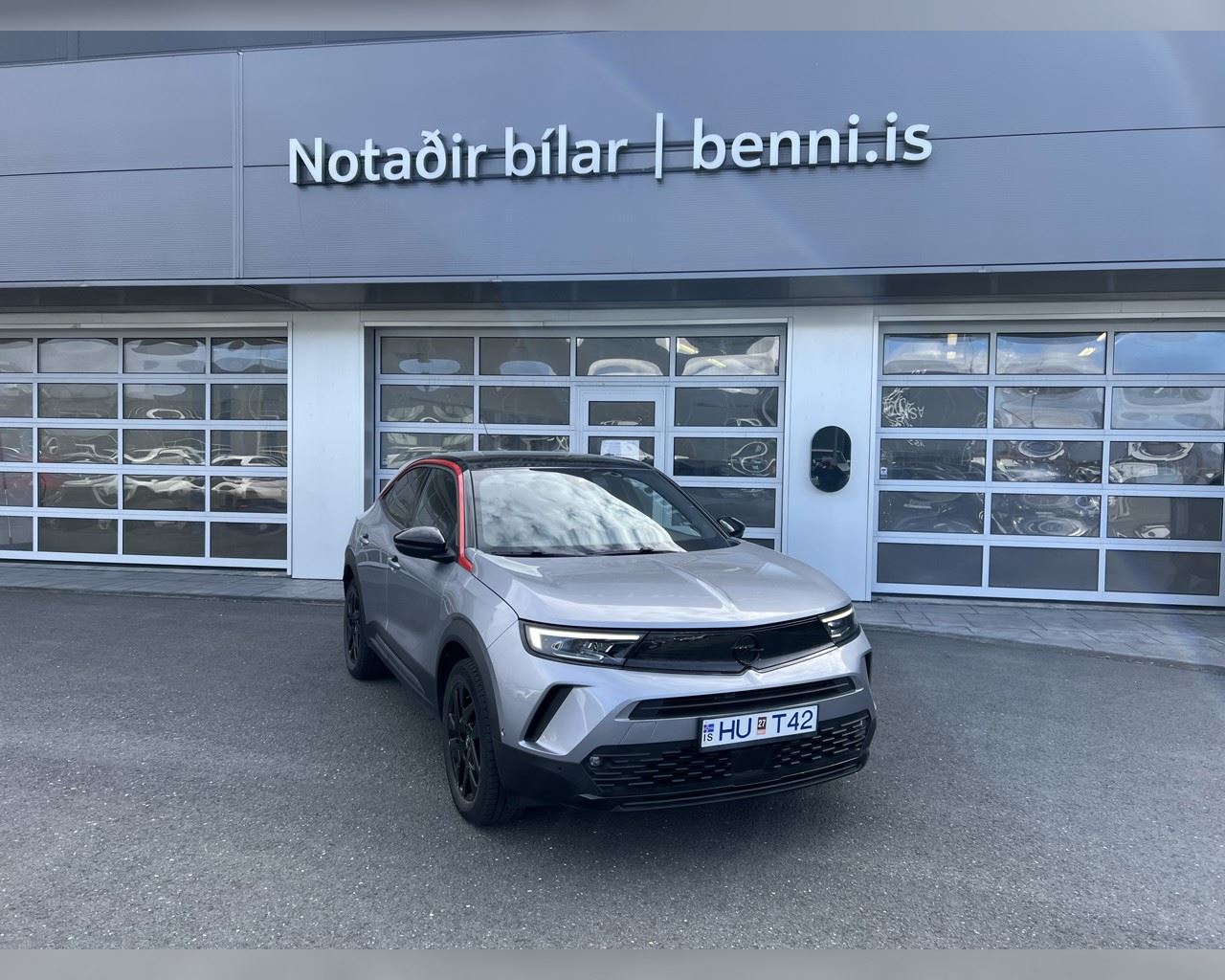
22.969 US$DEALER
2022, electric, automatic, 38K km, Front Wheels Drive, 136 hp

notadir.benni.is
 Reykjavík, Iceland





















 Reykjavík, Iceland
 SpainSpainBelgiumBelgiumBelgiumBelgiumBelgiumNetherlandsNetherlandsNetherlandsNetherlandsNetherlandsNetherlandsNetherlandsNetherlandsNetherlandsNetherlandsNetherlandsFranceFranceFranceFranceFrance
 Germany, Lower Saxony
If you are shopping for an Opel Mokka, the smartest move is not to ask "Is this a good car?" but "Which of these offers deserves my time?" On a busy used market, the difference between a promising Opel Mokka and a frustrating one is often visible before you ever make the call. A strong listing usually gives you enough to build confidence: clear photos, a readable maintenance story, sensible mileage for its age, and a seller who explains the car instead of hiding behind two vague lines. A weak one can look cheap and still cost you more in wasted trips, deferred maintenance, and awkward surprises.
For a practical shortlist, divide every Opel Mokka you see into three groups: call now, visit if the answers are good, and skip. The first group should include cars with complete photos, consistent condition, and enough details to suggest careful ownership. If the steering wheel, seat bolsters, pedals, and exterior wear all make sense together, that is already better than many listings. The second group includes cars that might be fine but need clarification: patchy service history, limited photos, or wording that sounds copied from one ad to the next. The third group is where bargain hunters lose time: suspiciously low prices, no useful interior photos, fresh cosmetic cleanup without service proof, or a seller who avoids basic questions.
That shortlist mindset matters with the Opel Mokka because this is exactly the kind of model people often compare quickly against several other compact crossovers. Buyers tend to scan headline year, mileage, and monthly running-cost assumptions, then jump too fast. A better approach is to slow down and compare ownership signals. Two similar-looking Opel Mokka listings can lead to very different experiences depending on maintenance habits, tire quality, dashboard warning lights, and how honestly the seller describes small faults.
A good Opel Mokka ad usually answers questions before you ask them. Look for a proper walkaround, cabin photos in daylight, and at least some mention of service records, recent maintenance, keys, and registration status. If the seller names work that has already been done, that is more useful than generic phrases like "excellent condition." You also want consistency. If the car is described as carefully maintained but the photos show mismatched tires, damaged trim, or a dirty engine bay presented as if it were normal, keep your enthusiasm under control.
When you call, avoid broad questions like "What is the last price?" first. Start with: How long have you owned this Opel Mokka? What maintenance was done recently? Are there any warning lights, leaks, electrical faults, or gearbox issues? Does everything work, including air conditioning and infotainment? Then ask whether the mileage is supported by records and whether the car has had accident repairs. You are not trying to catch the seller out; you are checking whether the answers come quickly, calmly, and in the same tone as the ad.
Some Opel Mokka listings are not strong enough for instant trust but are still worth seeing if the seller answers well. This usually happens when the car looks straight in the photos, the mileage is believable, and the specification suits your needs, but the ad lacks detail. In that case, ask for extra photos before traveling: close-ups of seat wear, wheels, lower body panels, luggage area, dashboard with ignition on, and service documents. A seller who sends them without drama moves the car upward on your shortlist.
Here is a less obvious but useful clue from browsing EU-market ads: many sellers understand how to photograph a crossover attractively, but far fewer know how to document ownership properly. The shiny driveway photos are not the hard part. The hard part is showing that this Opel Mokka has been maintained in a way that matches the asking price. If one seller gives you dates, invoices, and a plain explanation of what the car still needs next, while another keeps repeating "no investment needed," the more honest seller is often the better visit even if the car is not the cheapest one on screen.
The weakest Opel Mokka offers are often not terrible in one dramatic way. They are weak because several small doubts pile up together. Maybe the paint looks uneven in one corner, the cabin is photographed poorly, the description is generic, the service history is unclear, and the seller is oddly impatient. None of those points alone proves a bad car. Together, they tell you not to build your weekend around that listing.
This is where buyers in the wider EU market can save real time. If you are comparing used Opel Mokka cars for sale across multiple countries, do not let a tempting headline price outrank transparency. Cross-border interest can make people excuse missing details they would never accept locally. Stay disciplined: if documents, maintenance story, equipment list, or ownership background are vague in the ad and vague again on the phone, move on. There will usually be another Opel Mokka listing that gives you a cleaner starting point.
When a shortlist candidate becomes a real viewing, focus on how the whole car fits its story. Check panel alignment, glass markings, tire brand consistency, wear on the driver seat, steering wheel texture, and whether the cold start feels normal. During a short drive, listen for suspension noises over rough surfaces, feel whether the transmission behaves smoothly, and make sure the car tracks straight without odd vibrations. Test every practical feature you will actually use. On compact crossovers, buyers sometimes forgive broken small items because the seating position feels good. That is exactly how "minor issues" become future expenses.
A worthwhile Opel Mokka is not necessarily the newest, lowest-mileage, or cheapest example in the listings. It is the one where condition, history, seller behavior, and asking price make sense together. Build your shortlist with that logic, and the market becomes much easier to read. You will call fewer sellers, visit better cars, and skip the offers that looked tempting only because they were incomplete.
 Add as preferred sourceSee more from zvelta in Google Search Add as preferred source


