 EN
ENDEALER
29.130 US$DEALER
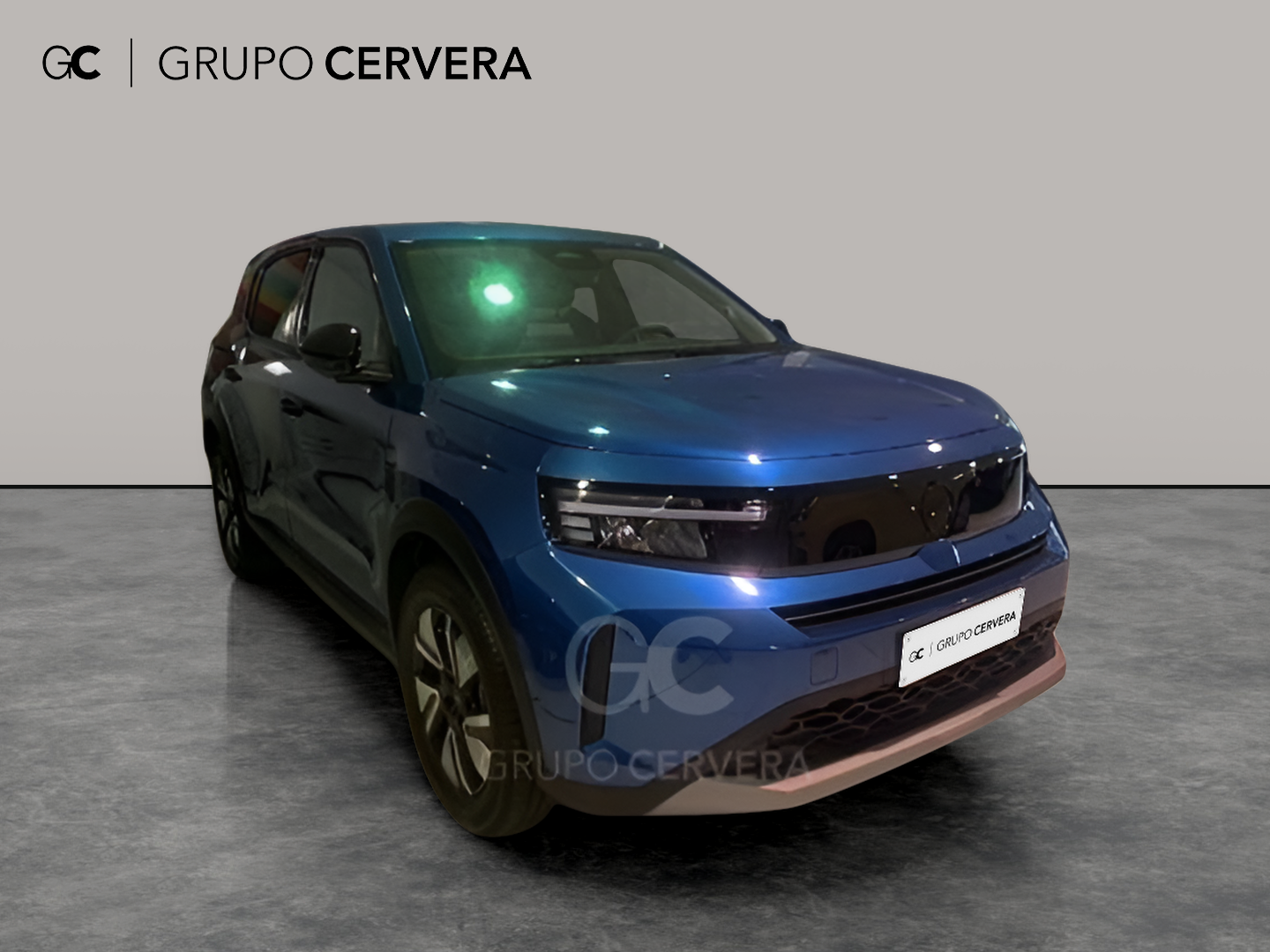
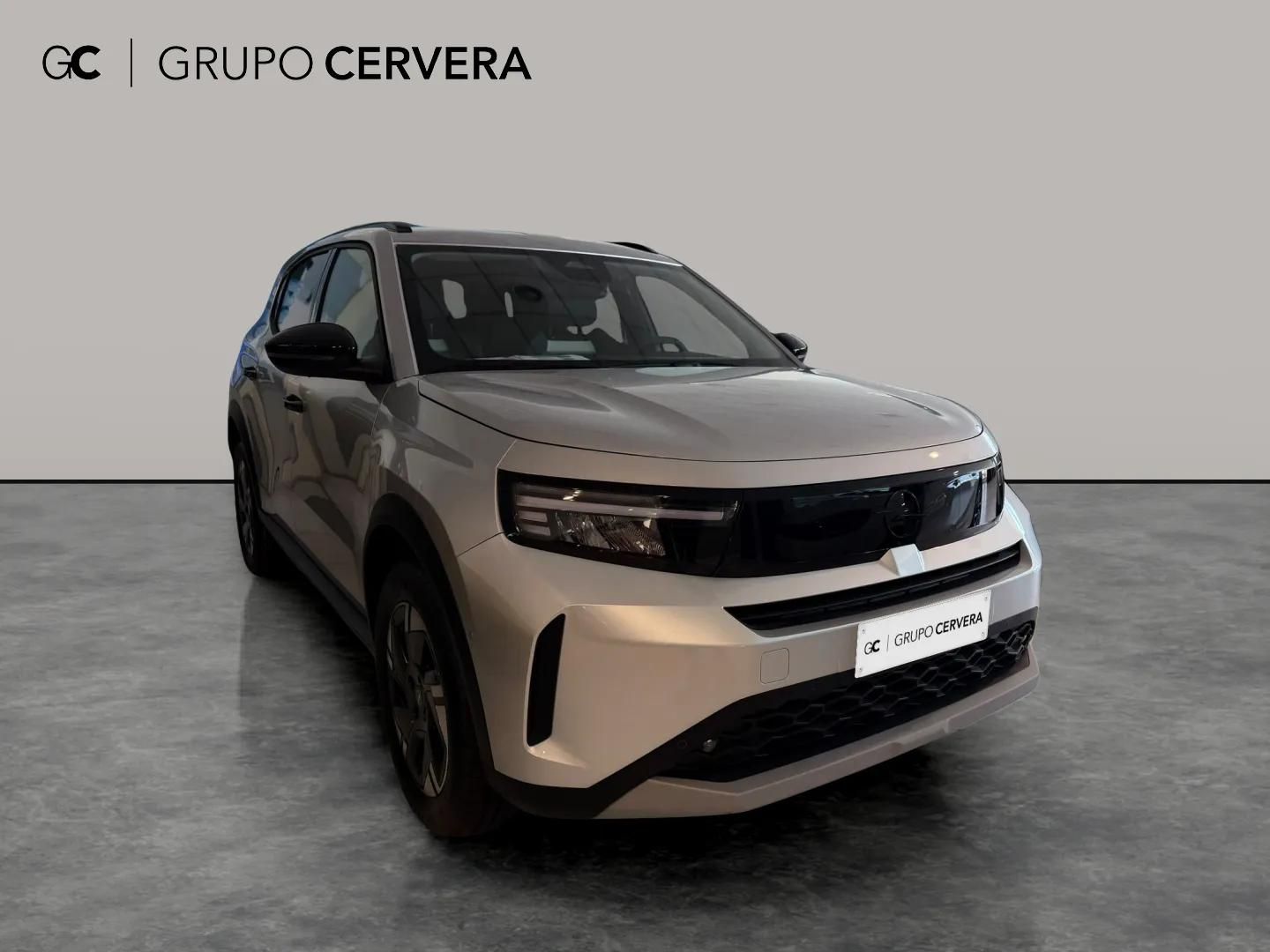
2026, gasoline, automatic, 10 km, SUV, Front Wheels Drive, 1,199 cm3, 145 hp, Euro 6, 1.2T XHT Hybrid GS eDCT6 107 kW (145 CV), New condition, In stock

GrupoCervera.com
 Spain, Castilla y León






















 Spain, Castilla y LeónSpain, Castilla y León
 Netherlands
 Germany, Lower SaxonyGermany, Lower SaxonyGermany, Lower SaxonyGermany, Lower SaxonyGermany, Lower SaxonyGermany, Lower SaxonyGermany, Lower SaxonyGermany, Lower SaxonyGermany, Lower SaxonyGermany, Lower SaxonyGermany, Lower SaxonyGermany, Lower SaxonyGermany, Lower SaxonyGermany, Lower SaxonyGermany, Lower SaxonyGermany, Lower SaxonyGermanyGermany
If you are looking at an Opel Frontera, the first smart move is to accept that this is rarely a casual purchase. People usually land on a Frontera because they want a specific kind of older SUV: something with honest utility, a tougher image, and enough character that they are willing to inspect each offer carefully instead of chasing the newest badge. That mindset helps. On the EU market, where only a small number of Opel Frontera cars for sale may be available at one time, patience usually beats speed.
With an older model like the Opel Frontera, weak ads often look tempting simply because there are not many alternatives. Resist that. Before you contact anyone, compare the basics across all available used listings: mileage, number and quality of photos, visible body condition, tire condition, interior wear, and whether the seller explains recent maintenance in plain language. A serious Opel Frontera offer usually gives you enough detail to decide whether it is worth the drive. A weak one forces you to guess.
That difference matters more here than with a common city car. When availability is limited, buyers can talk themselves into viewing a tired example just because it exists. A better approach is to build a short list of two or three Opel Frontera listings that show consistent care. Look for signs that the vehicle has been used, maintained, and described by someone who understands what buyers will worry about. If one ad shows clear exterior photos, under-hood pictures, cabin wear, service notes, and document status, while another offers three dark photos and the phrase "runs well," those are not equal offers.
This is where many buyers make or lose the deal. On an Opel Frontera page, seller signals can tell you almost as much as the stated condition. Good photos are not just about presentation; they show whether the seller is transparent. You want daylight images from several angles, close-ups of common wear areas, and an interior that is shown honestly rather than hidden. If the seller includes the engine bay, cargo area, and instrument cluster, that is often a better sign than polished wording.
Read the text carefully too. Specific notes such as recent service items, replaced wear parts, inspection dates, or known imperfections usually suggest a real owner or a seller who expects informed questions. Vague phrases do the opposite. Be careful with listings that say "everything works" but mention no history, no invoices, and no details about how long the seller has owned the Opel Frontera. Also pay attention to response style. If you ask for the VIN, service records, cold-start video, or a photo of the documents, a serious seller tends to answer directly. A weak seller changes the subject, pressures you to come immediately, or repeats broad reassurance.
One less obvious clue: the best older-SUV listings often sound calm. They do not try to oversell rarity or toughness. They simply document the car. For a used Opel Frontera, that calm tone can be worth more than enthusiastic adjectives.
When a listing makes the shortlist, ask practical questions that help you avoid wasted trips. Ask how long the seller has owned the Opel Frontera, whether there is service history, whether any warning lights are present, and whether the vehicle has been used regularly or has spent long periods parked. Ask what has been repaired recently and what the seller believes will need attention next. You are not looking for perfection; you are looking for consistency.
It is also worth asking for details that match the photos. If the body looks straight in the ad, ask whether there are scratches, corrosion spots, or previous paintwork not visible in the images. If the interior looks clean, ask whether all switches, seats, windows, and climate functions behave properly. If the mileage is attractive, ask what supports it: service stamps, invoices, inspections, or old ownership records. A good Opel Frontera listing should become clearer when you ask questions, not more confusing.
The easiest mistake with an Opel Frontera is to confuse cosmetic effort with mechanical confidence. Freshly cleaned plastics and shiny tires can improve an ad, but they do not replace service history or honest ownership detail. When comparing cars for sale, look for harmony between age, mileage, wear, and description. A heavily worn cabin with a very low stated mileage deserves more questions. So does a freshly washed engine bay with no explanation.
At the viewing, try to judge the whole car rather than one dramatic flaw. Does the engine start cleanly from cold? Does the transmission behavior match what the seller described? Does the steering feel consistent? Are there noises on rough surfaces? Does the paperwork look organized? The right Opel Frontera to buy is not always the prettiest one in the photos; it is often the one with the most coherent story.
In a thin market, buyers often focus too hard on entry price. That can backfire with an older Opel Frontera. A cheaper example with poor photos, uncertain documents, and vague maintenance may become expensive very quickly after purchase. Meanwhile, a better-documented car with visible imperfections can be the smarter buy because the seller has already done the hard part: showing you what you are getting.
That is the real advantage of using this Opel Frontera page well. You are not just hunting for any used SUV listing. You are comparing stories, ownership habits, and seller credibility. If an offer gives you enough evidence to trust the next step, book the viewing. If it gives you only hope, keep scrolling. On a model like the Opel Frontera, discipline is usually what leads to the better car.
 Add as preferred sourceSee more from zvelta in Google Search Add as preferred source