 EN
ENDEALER

9.443 US$DEALER
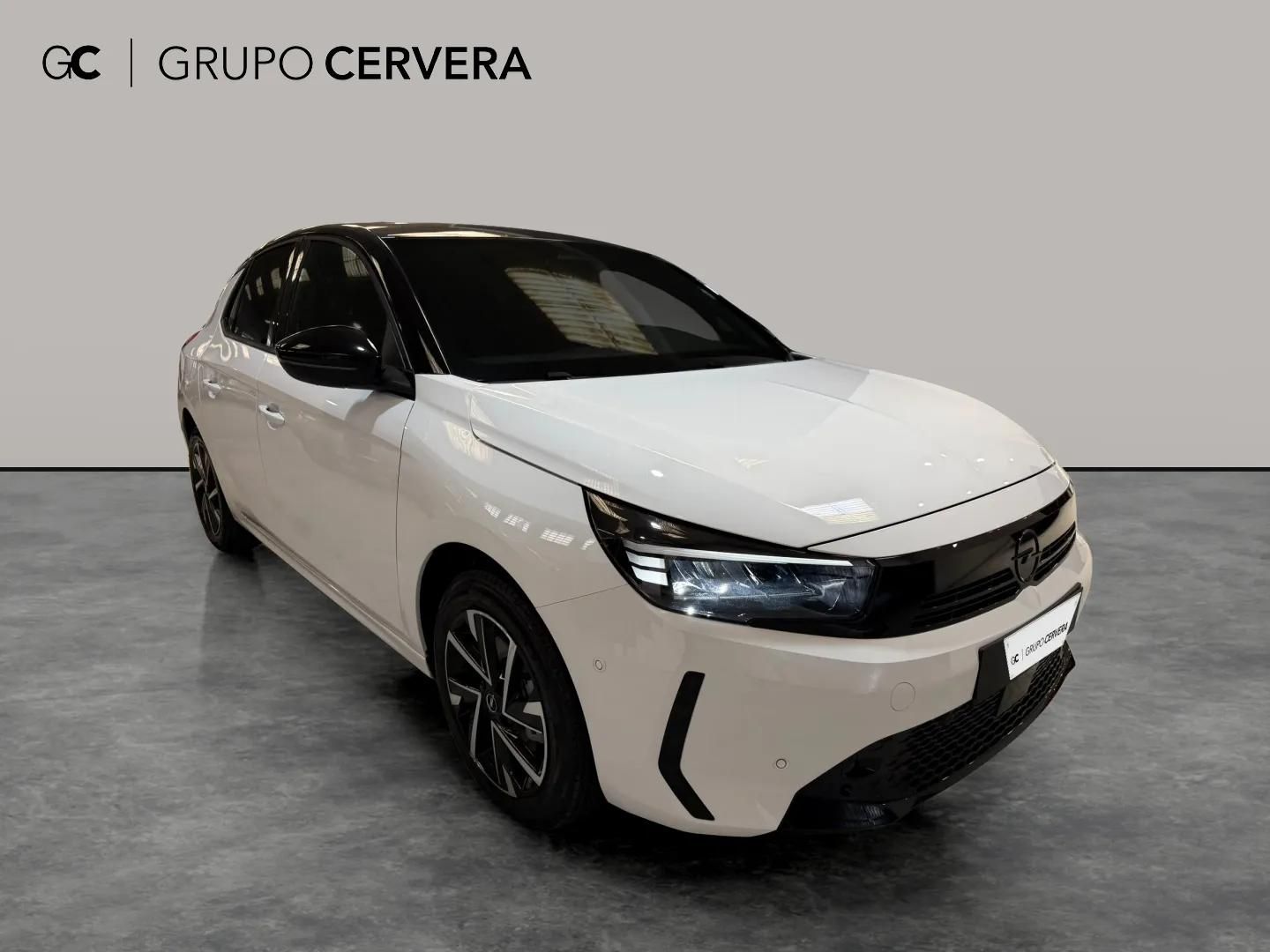
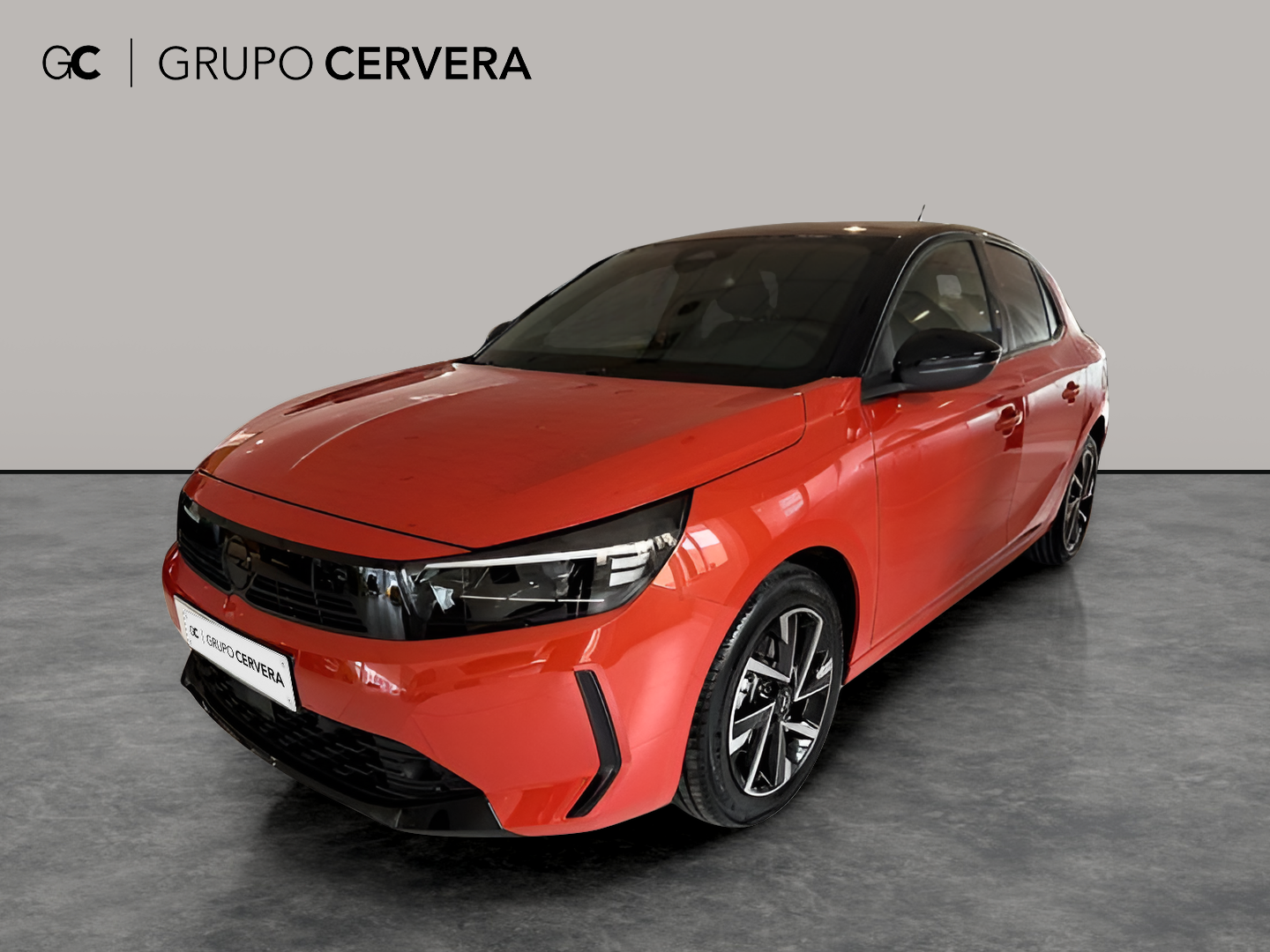
2018, gasoline, automatic, 83K km, All Wheels Drive, 75 hp

notadir.benni.is
 Reykjavík, Iceland





















 Reykjavík, IcelandIcelandIceland
 Spain, Castille and LeónSpain, Castille and LeónSpain, Castille and LeónSpain, Castille and LeónSpain, Castille and LeónSpain, Castille and LeónSpain, Castille and LeónSpain, Castille and LeónSpain, Castille and LeónSpain, Castille and LeónSpain, Castille and LeónSpain, Castille and LeónSpain, Castille and LeónSpain, Castille and LeónSpain, Castille and LeónSpain, Castille and LeónSpain, Castille and LeónSpain, Castille and LeónSpain, Castille and LeónSpain, Castille and LeónSpain, Castille and LeónSpain, Castille and León
If you are shopping Opel in Europe, the smart move is not to start with the badge alone. Start with the role the car needs to play in your life, then use the Opel range to narrow down the right type of offer. In used listings, Opel often appears where buyers want sensible everyday transport, decent equipment, and a price that still leaves room for maintenance. That makes the brand attractive, but it also means the quality gap between one listing and the next can be wide. A good Opel offer usually feels coherent: the mileage, photos, service story, wear, and seller attitude all line up. A weak one usually starts to unravel the moment you look past the headline.
One reason Opel stays interesting in the EU market is that buyers are often cross-shopping it against several different ideas at once. Some are comparing compact hatchbacks against other practical daily drivers. Others are looking at family cars, estates, or city-friendly models that seem affordable to buy but may differ a lot in upkeep and previous use. That is why your first comparison should be between use cases, not between random listings. Is this Opel meant for commuting, family duty, occasional long trips, or low-stress urban driving? Once that is clear, equipment and condition become easier to judge.
A listing can look competitive simply because it is cheaper than the next Opel on the page, but cheaper is not the same as better value. Check whether the photos actually support the description. Read the service notes slowly. Compare visible wear on the steering wheel, seats, pedals, and cargo area with the claimed mileage. If a seller highlights cosmetic extras but says little about maintenance history, recent work, or documents, treat that as a prompt to ask more questions. In this brand especially, plenty of cars look honest at first glance because they were bought for practical reasons and used heavily for practical reasons too.
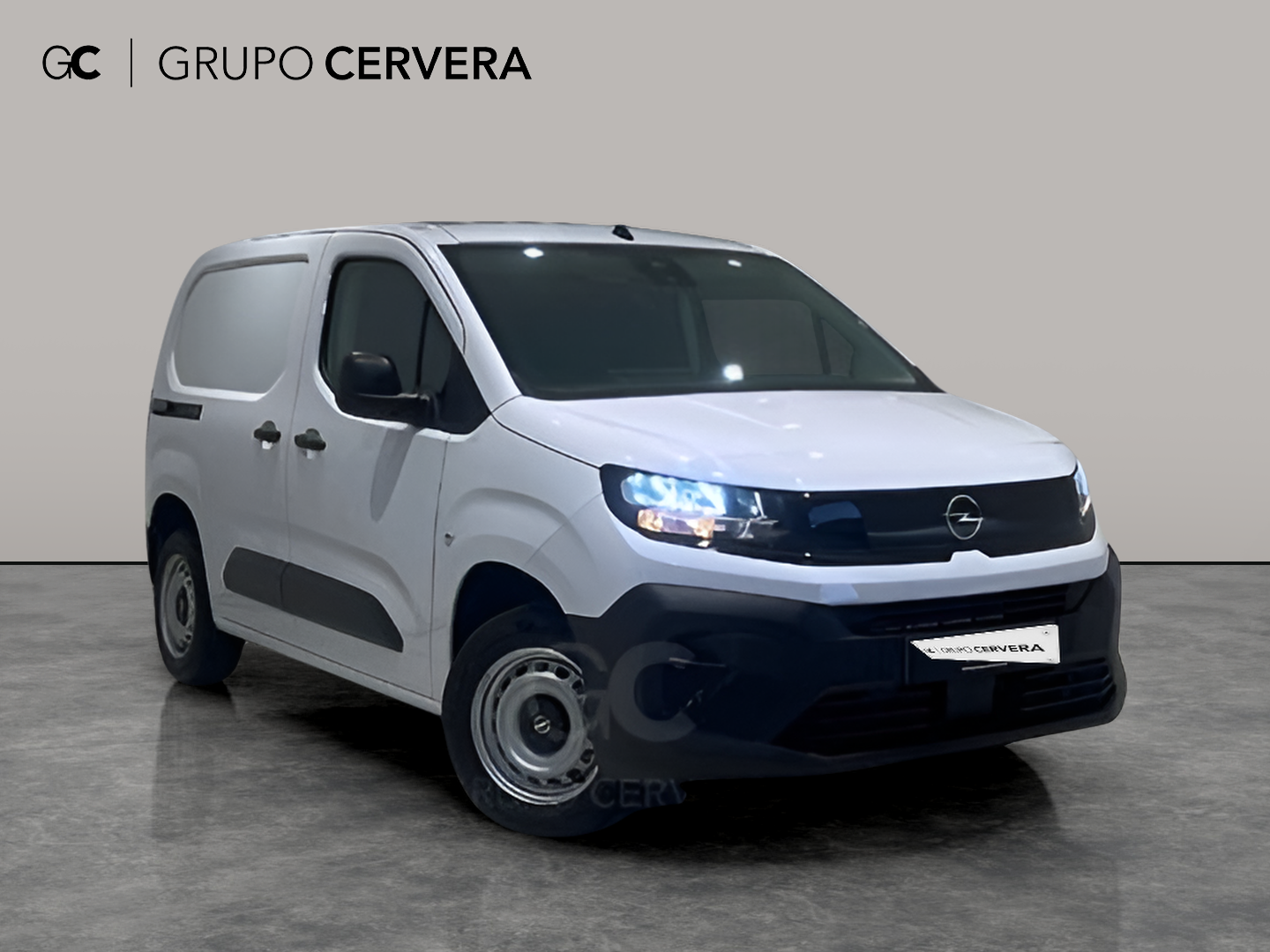
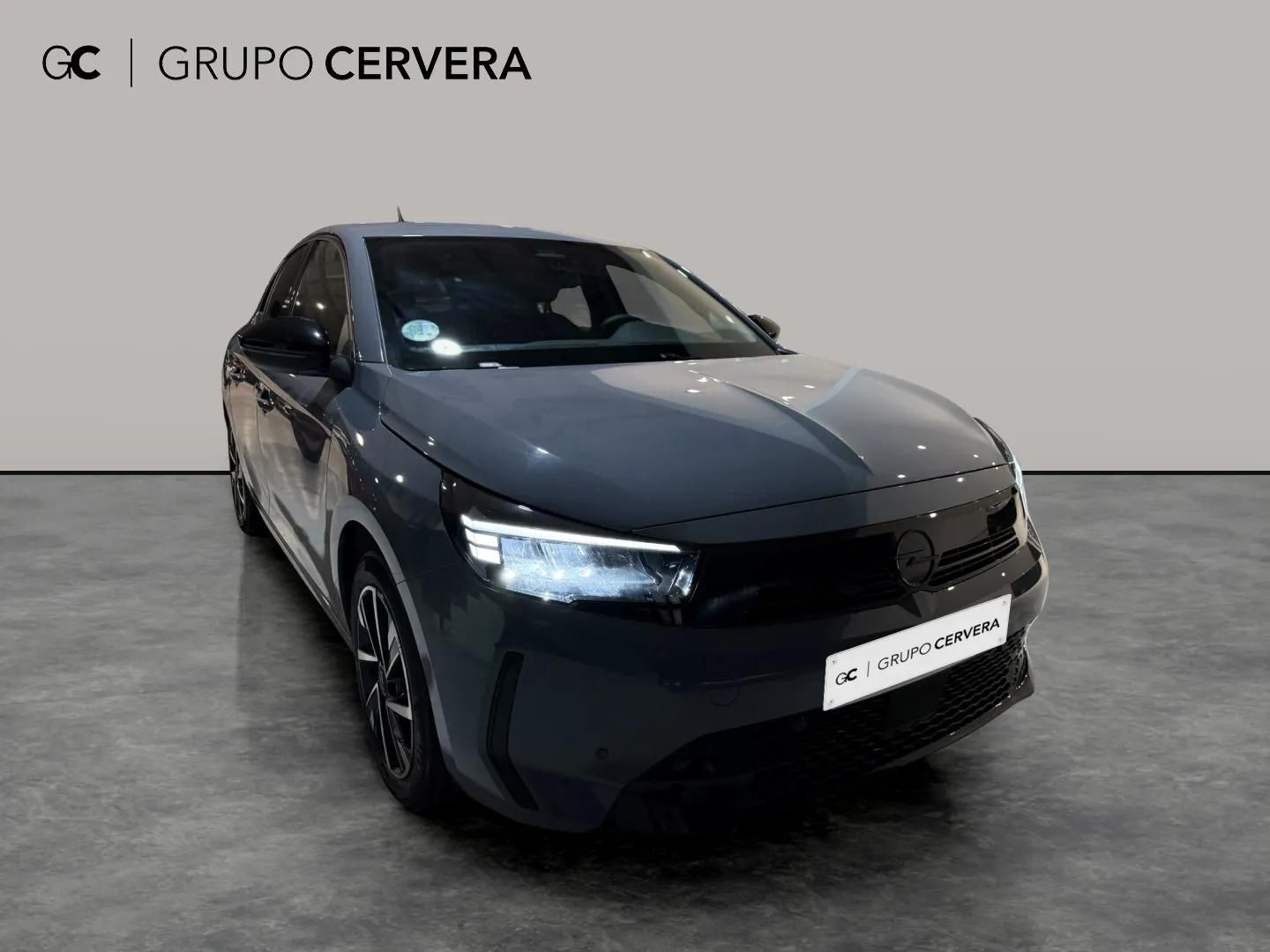
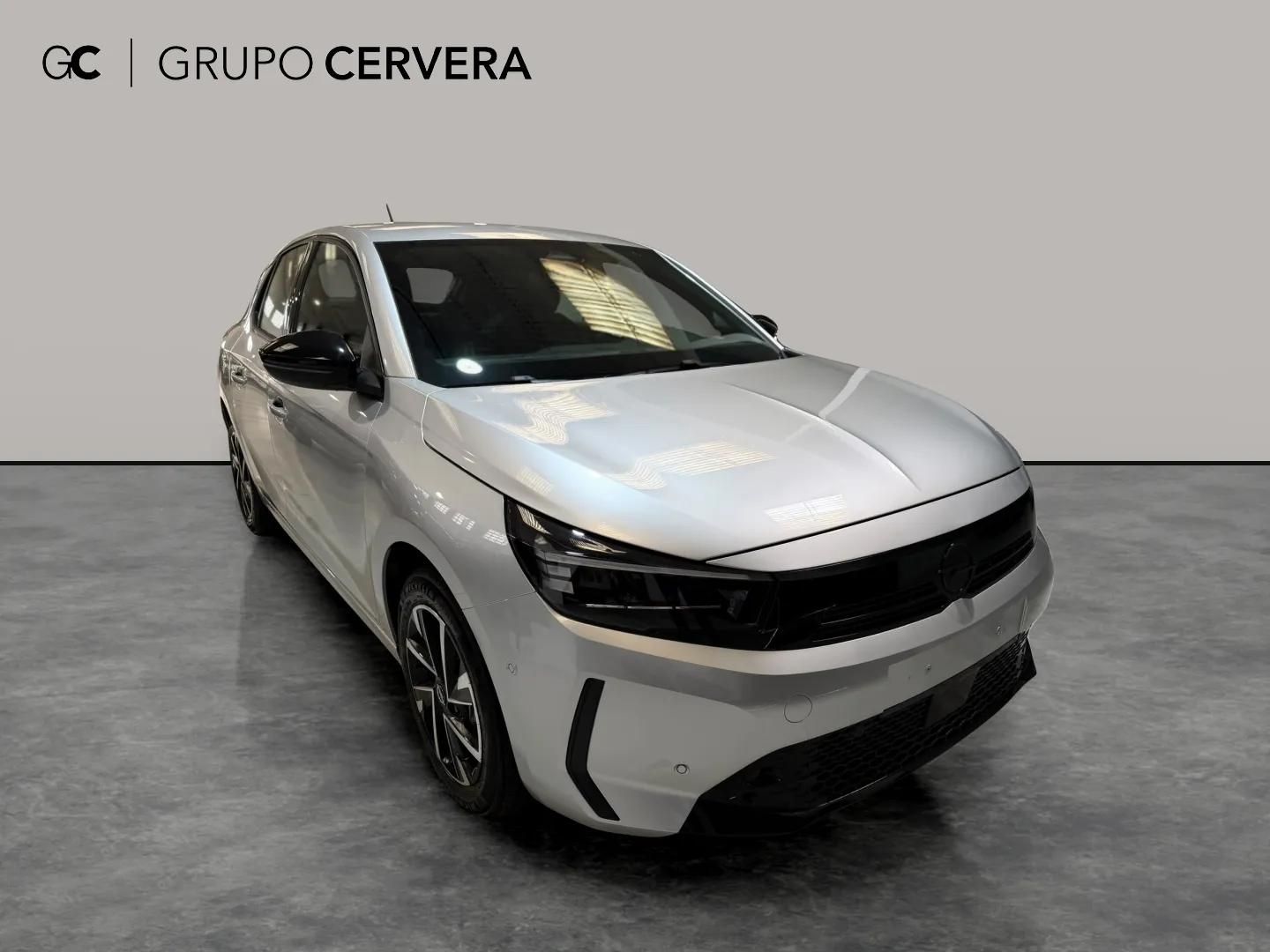
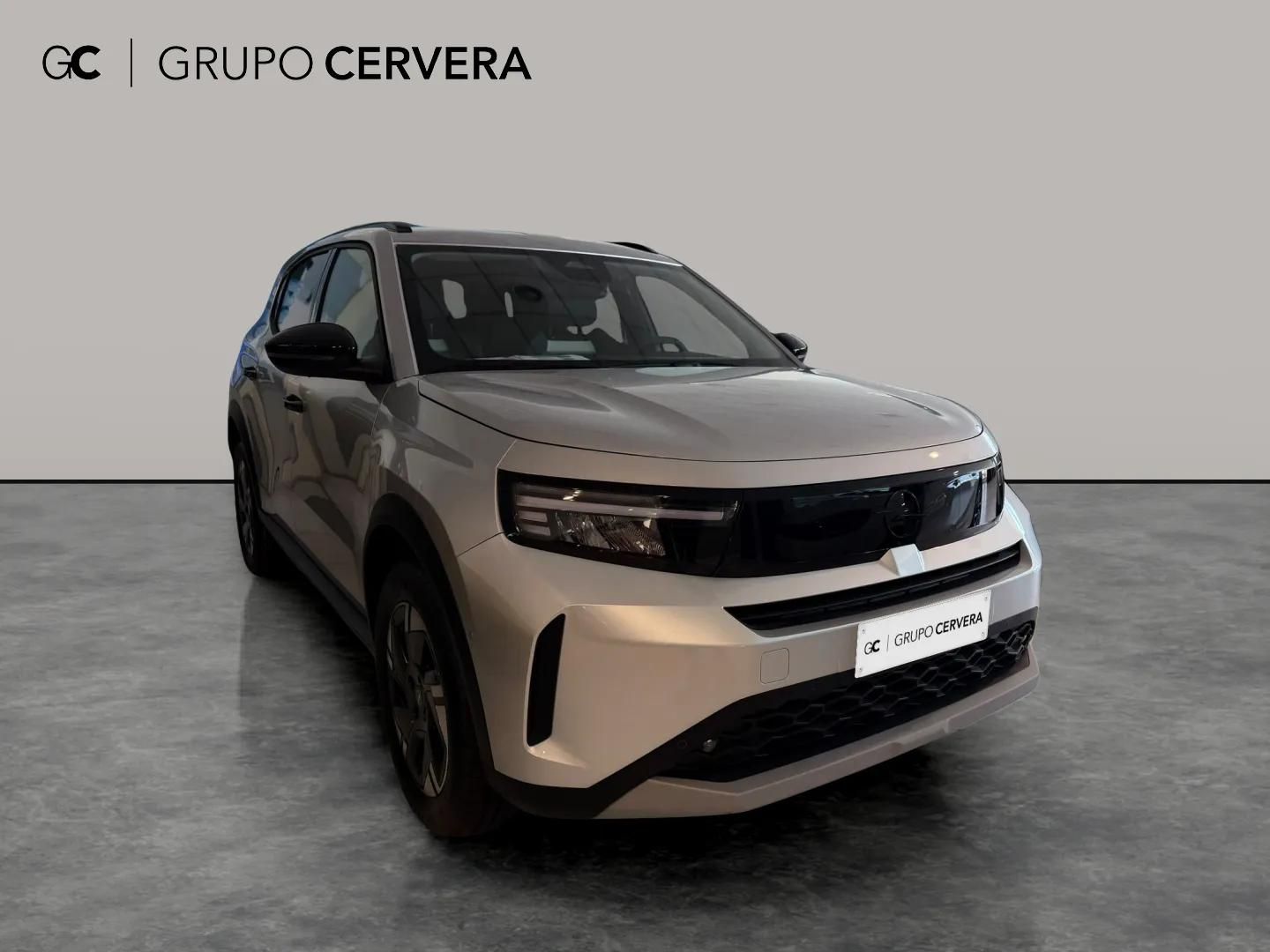
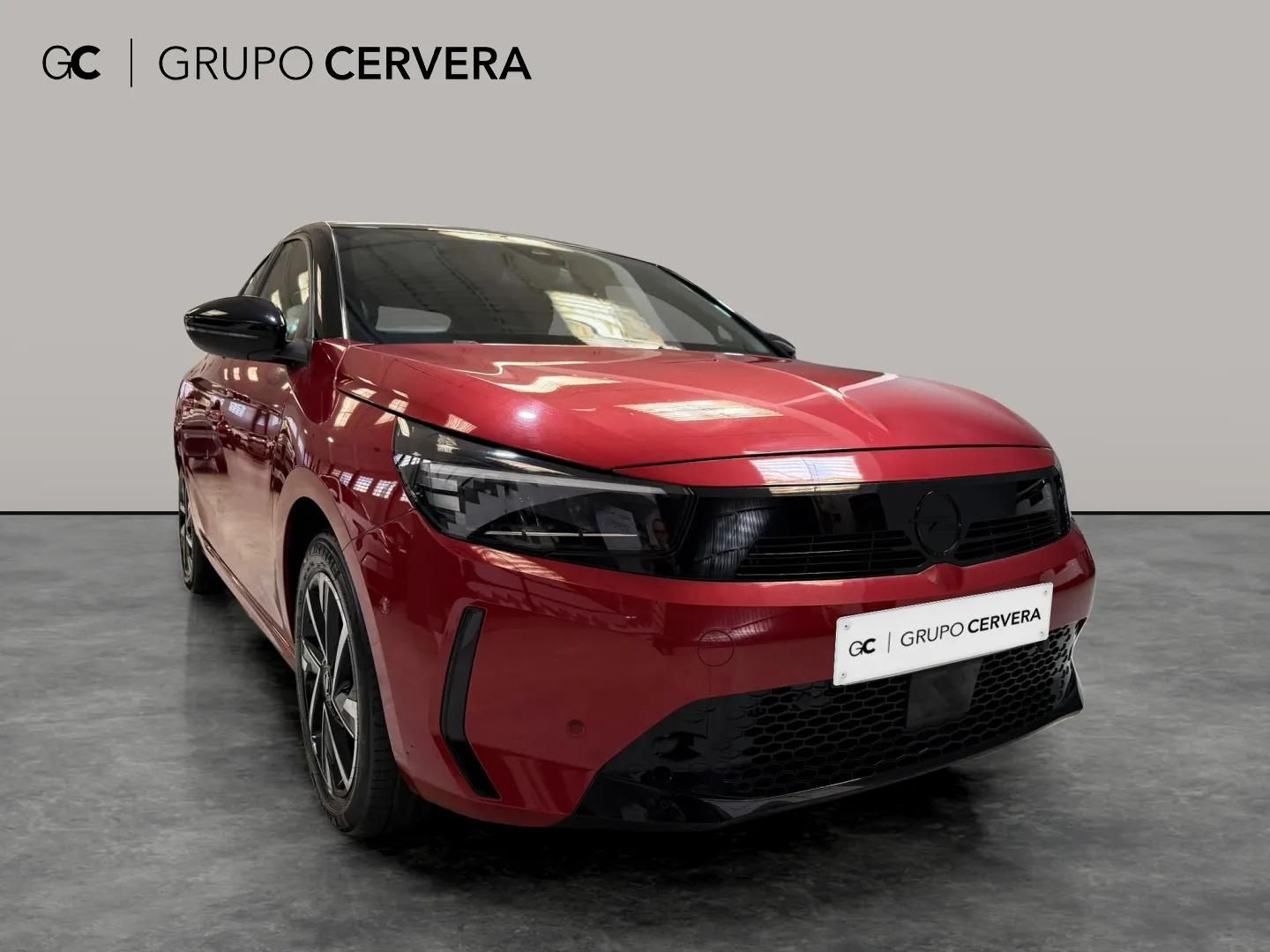
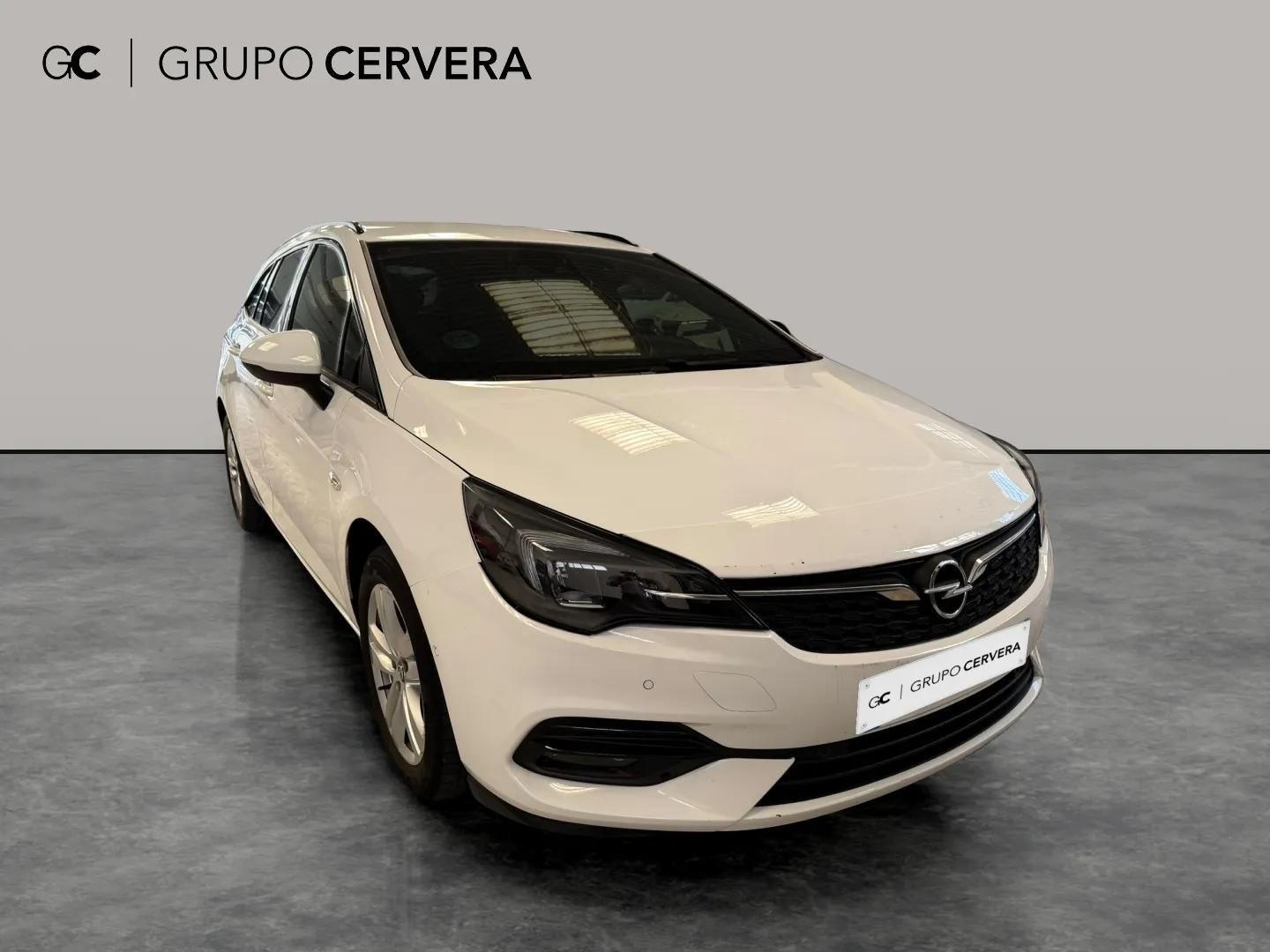
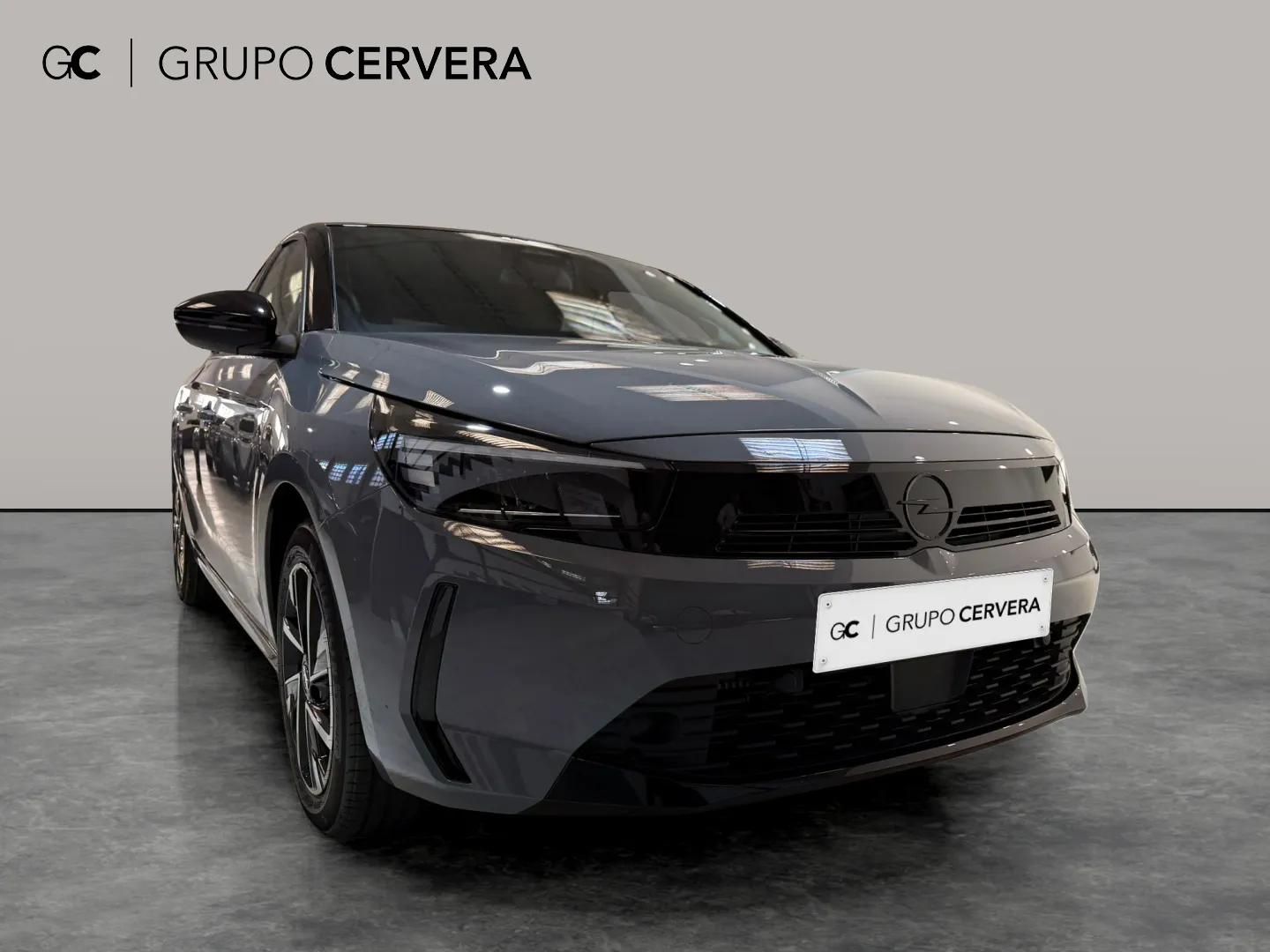
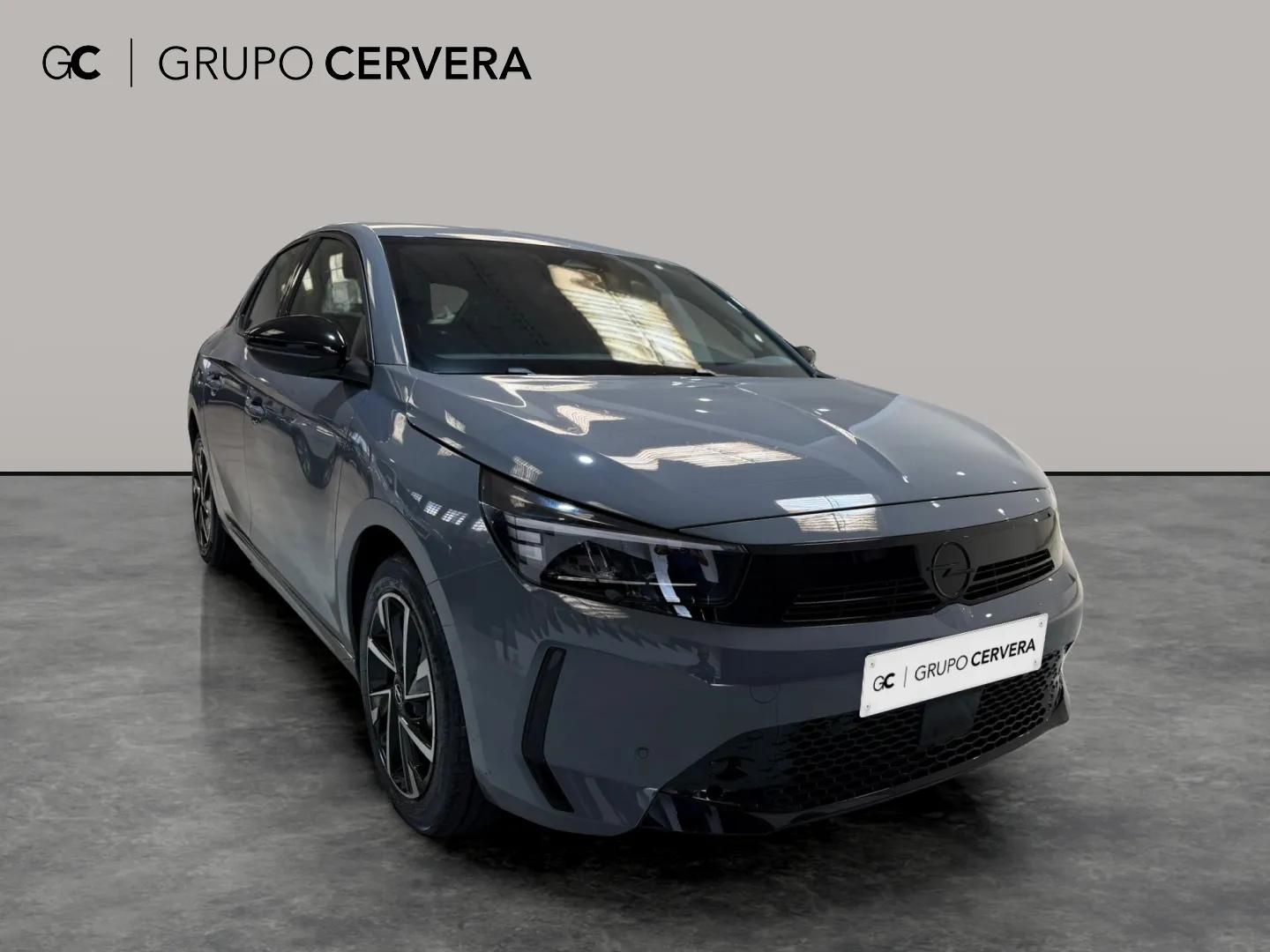
This is where many buyers save themselves a wasted trip. Serious Opel listings usually have calm, useful photos: cold daylight, multiple angles, clear shots of the interior, dashboard, luggage area, tires, and any visible flaws. Weak listings often hide behind close-ups, wet bodywork, low light, or a dozen photos of the same front corner. Look at the wording too. A seller who notes service dates, recent maintenance, two keys, document status, or known imperfections is often easier to deal with than one who writes only "top condition" and "first to see will buy."
The small clues matter. If the ad says the car has been maintained, ask where and whether invoices or a stamped history are available. If the seller mentions a recent clutch, timing-related work, brakes, battery, or tires, ask what exactly was done and when. If the response is quick, specific, and relaxed, that is usually a healthier signal than a vague answer or a push to leave a deposit immediately. Even photo order can tell you something: sellers who show the worn seat bolster, stone chips, or cargo scuffs without drama often understand that trust closes deals faster than polished language.
When several Opel cars seem similar, compare them in layers. First layer: body style, transmission, fuel type, and equipment that you will actually use. Second layer: condition story. Does the car show a believable pattern of ownership, maintenance, and wear? Third layer: seller quality. Who gives better answers, clearer documentation, and less defensive energy? The best value listing is often not the lowest-mileage one, and not the one with the richest trim. It is the one that makes the fewest unanswered questions follow you into the viewing.
A useful trick is to write down three doubts before you contact any seller. For example: missing service detail, inconsistent photo quality, or unusual wear for the stated mileage. Then ask those same questions across several Opel listings. The differences become obvious quickly. One seller explains, sends document photos, and offers a straightforward viewing. Another avoids specifics and keeps repeating that the car drives perfectly. That contrast is often more informative than the ad itself.
Keep your first message short but pointed. Ask how long the seller has owned the Opel, whether there is service history, whether any warning lights are present, whether there are known faults, and whether the mileage can be documented through records. Ask if the car is being used daily, because that affects viewing logistics and sometimes the condition you will find on arrival. If the answer feels incomplete, do not fill the gaps with optimism.
Before a viewing, ask for photos of the documents, VIN if appropriate for your checks, and close images of any area that looks questionable in the ad. At the appointment, pay attention to whether the story stays consistent. Does the seller speak about the car like someone who knows it, or like someone trying to move inventory without discussion? With Opel, as with any mainstream brand in the European used market, confidence should come from consistency, not charm.
Opel tends to appeal when a buyer wants a practical middle ground rather than a dramatic statement. That can be a strength in listings. Cars from this brand are often considered by people who care more about usability, cabin space, running routine, and straightforward ownership than about showing off. The upside is that good examples can feel refreshingly honest. The downside is that some tired cars are marketed with the same everyday language, so you need to separate "normal wear" from neglect.
The better Opel offers usually reveal themselves gradually. Nothing in the ad needs to shout. The photos are complete, the description is grounded, the seller answers directly, and the paperwork story makes sense. If you keep comparing condition, history, and seller behavior with the same discipline you use for price, Opel can be a very sensible place to search in Europe. Not because every listing is a bargain, but because the good ones are often easy to recognize once you stop reading only the headline.
 Add as preferred sourceSee more from zvelta in Google Search Add as preferred source