EN
ENDEALER

18.523 US$DEALER
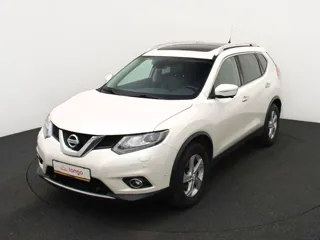
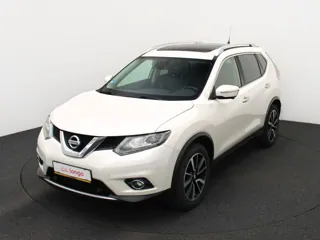
2015, diesel, automatic, 116K km, Front Wheels Drive, 131 hp

notadir.benni.is
 Iceland





















 Iceland
 NetherlandsNetherlandsFranceFranceFranceFranceFrance
 Germany, Lower SaxonyGermany, Lower Saxony
 Estonia, HarjumaaEstonia, HarjumaaEstonia, Harjumaa
 Miškiniai, EstoniaTorņakalns, EstoniaMiškiniai, EstoniaMiškiniai, EstoniaPanevėžys City, EstoniaMiškiniai, LithuaniaItalyRomania, AradRomania, AradRomania, Arad
 Municipiul Sebeş, Romania
 Romania, Mureş
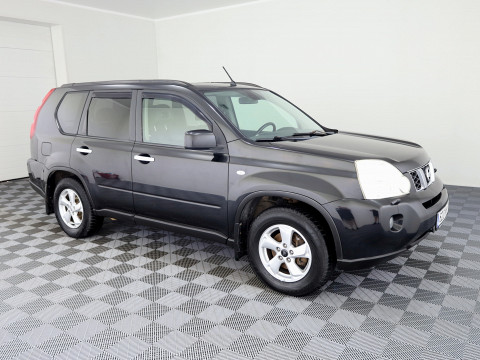
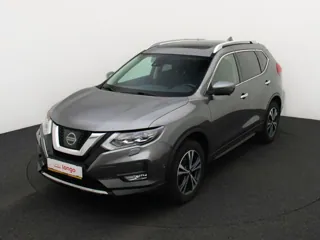
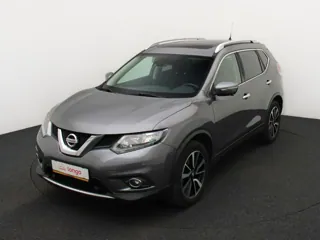
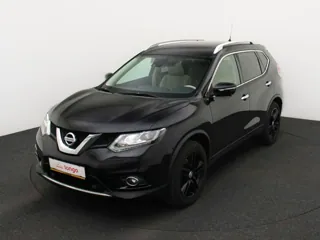
If a Nissan X-Trail has made your shortlist, you are probably not just shopping for a badge or a shape. You are usually shopping for a certain kind of ownership story: enough space to make family life easier, a higher driving position that feels relaxing rather than bulky, and the sense that the car should handle everyday duty without drama. That is exactly why weak Nissan X-Trail listings stand out so quickly. When the seller does not explain how the car has been used, maintained, or updated, the offer starts to feel vague in a way that matters more here than on a purely style-led car.
The best used Nissan X-Trail offers tend to explain ordinary things clearly. Not flashy things, ordinary things: whether it was mainly a family car, whether the rear seats and luggage area show heavy wear, whether servicing was regular, whether the transmission has behaved properly, whether recent maintenance has already been done, and whether there are two keys, manuals, and invoices. On a model like this, that kind of detail is more convincing than polished photos alone.
A weak listing often hides behind short phrases such as "good condition" or "drives well" without saying what has actually been checked. If the Nissan X-Trail ad shows only exterior glamour shots and skips the seats, boot, steering wheel, load area, and instrument cluster, treat that as a signal to slow down. This is a car people buy to use, not just admire. Signs of honest use are fine; signs of unclear use deserve better questions.
When you browse Nissan X-Trail cars for sale across the eu market, mileage matters, but context matters more. A slightly higher-mileage example with believable service history and a seller who answers directly can be a better buy than a lower-mileage one with missing history and nervous explanations. Ask how the car spent most of its time: short urban trips, longer motorway runs, towing, school-run duty, winter use, or occasional long family travel. None of those automatically makes a car bad, but they help you read wear more realistically.
This is where the Nissan X-Trail often separates itself from smaller crossovers. Buyers do not usually come to it by accident; they come because they expect usefulness. So compare each offer with that expectation in mind. Does the condition of the cabin match the claimed mileage? Does the boot area look heavily scratched for a supposedly lightly used car? Do the driver seat bolsters, buttons, and steering wheel tell the same story as the odometer? The more practical the car, the more everyday wear speaks honestly.
Before arranging a viewing, ask a few plain questions and listen to the quality of the answers, not just the answers themselves. With a Nissan X-Trail, useful questions include: how long have you owned it, why are you selling it, what maintenance was done recently, is there a complete or partial service record, are there any warning lights, does everything electrical work, and has anything important been repaired or replaced during ownership? If it is an automatic, ask how it behaves from cold and after a longer drive. If it has all-wheel-drive equipment, ask whether everything operates as intended and whether the car has been used in conditions that put extra stress on that system.
A trustworthy seller usually answers in complete sentences and does not act offended by normal buyer questions. They may admit small faults, mention tires, brakes, suspension work, or cosmetic marks, and that honesty often makes the listing stronger. The seller who insists the Nissan X-Trail needs "nothing at all" may be right, but that is exactly the sort of claim that should make you verify more carefully.
One reason people keep returning to the Nissan X-Trail is that it often promises a calmer daily routine rather than excitement for its own sake. You imagine the easy loading height, the visibility, the space for bags, child seats, or weekend gear, and the sense that it should slot into normal life without constant compromise. That makes condition and upkeep more important than spec-sheet bragging rights. A modestly equipped example that feels cared for can be the more satisfying long-term choice than a higher-trim car with a patchy history.
There is also a small but useful buying truth here: on practical family-oriented models, sellers sometimes overestimate how much buyers care about extras and underestimate how much they care about proof. Panoramic roof, big wheels, or premium trim can look attractive in photos, but careful buyers often end up trusting the Nissan X-Trail with the neater history file, clearer ownership story, and more transparent imperfections. That is not boring buying logic; it is usually the logic that saves money and stress later.
Before you go to see one, try to make the listing survive a simple test. Can you explain to yourself why this exact Nissan X-Trail is priced and presented the way it is? If the photos are clear, the description is specific, the history sounds coherent, and the seller answers naturally, it may be worth viewing even if the car is not perfect. If the ad is thin, the story changes, the maintenance record is unclear, and the seller rushes you toward a meeting, keep scrolling.
When comparing used Nissan X-Trail listings, do not chase the fantasy of the perfect car. Chase the offer that makes sense. Look for consistency between mileage, wear, ownership story, service evidence, and seller attitude. That is usually how you avoid weak offers in this part of the market. A good Nissan X-Trail should feel like a practical decision before you buy it, and an even better one will still feel like that after a few months of living with it.
 Add as preferred sourceSee more from zvelta in Google Search Add as preferred source


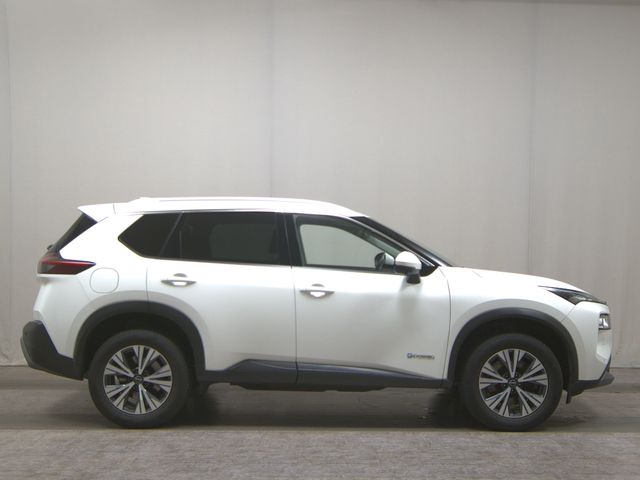
![Nissan X-Trail E-Power 204 N-Connecta BVA VP [5P] Bva 1-204CH-8cv (SUV)](https://cdn-media.caroutlet.eu/car/4379/77/thumb_437876058_car_small.jpg "Nissan X-Trail E-Power 204 N-Connecta BVA VP [5P] Bva 1-204CH-8cv (SUV)")