








21 September 2026

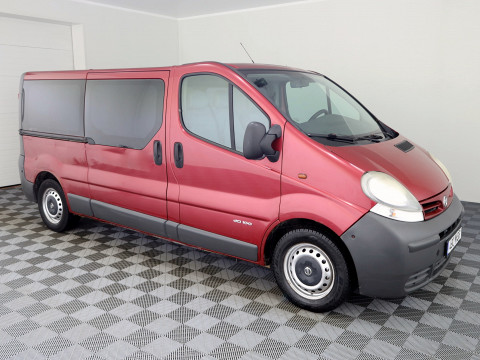
If you are looking at a Nissan Primastar, the smartest first step is not falling in love with the first tidy photo set. With a van like this, daily life matters more than presentation: how it was loaded, how often it did short trips, whether maintenance was routine or reactive, and whether the seller sounds like someone who actually knows the vehicle. On a page with limited market availability, every Nissan Primastar listing deserves a slower read. A good offer can be worth acting on quickly, but a vague one is rarely improved by urgency.
A Nissan Primastar is bought on history, not just appearance
A used Nissan Primastar can look honest in pictures and still leave big questions unanswered. Start by comparing the basics across listings: body style, mileage, visible wear in the cargo area, seats, steering wheel, and load threshold. Those details often say more about the van's real working life than polished exterior shots. If one seller shows only three photos and none of the cabin, rear doors, load floor, or instrument cluster, treat that as missing information rather than a minor oversight.
Ask early whether the Nissan Primastar was used by a private owner, a small business, or in heavier fleet duty. None of these is automatically bad, but they suggest different kinds of wear. A van that spent its life making predictable regional runs may feel very different from one that did repeated stop-start city work with different drivers. You are not only buying metal here; you are buying the previous owner's habits.
The everyday-life questions that separate a decent van from a tiring one
The ownership side of a Nissan Primastar matters more than many buyers expect. Imagine a normal week with it: opening and closing side doors many times a day, reversing in narrow spaces, loading tools or parcels, living with cabin noise, and trusting it to start early on work mornings. That is why your questions to the seller should be practical, not theatrical.
Ask what has been done recently, what will need attention soon, and what the seller would fix first if they kept the van another year. That last question is especially revealing. Honest sellers often answer in a calm, specific way. Weak sellers drift into generic lines about it being "perfect" or "just needing nothing." A trustworthy Nissan Primastar offer usually comes with a believable story: service invoices, consistent mileage records, photos that make sense, and an owner who can explain why they are selling without sounding rehearsed.
One less obvious point in the EU market: buyers often search vans with two minds at once. They want a work tool, but they also want to avoid inheriting somebody else's rushed maintenance decisions. That changes how you should read listings. A clean ad with modest detail can still be better than a flashy ad that avoids documents, cold-start questions, or underside photos. Commercial vehicles are often photographed like products, yet bought like long-term liabilities. Keep that tension in mind.
What to compare before you even message the seller
Before calling about a Nissan Primastar, compare what the listing tells you against what it carefully avoids. Look for clear photos of panel alignment, rear bumper corners, wheel arches, cargo floor condition, seat wear, dashboard warning lights, and tires. If the mileage is low for the age, ask what kind of use produced that pattern. If the van looks heavily worn despite moderate mileage, ask whether it had more than one driver or long periods of hard-use loading.
Documents matter just as much as condition. Confirm registration details, maintenance history, and whether major service items have records behind them. If the ad mentions recent work, ask for dates and invoices rather than accepting broad claims. With any used Nissan Primastar, it also helps to ask whether all keys are present, whether the seller has owned it long, and whether there are any faults that appear only when the engine is cold or fully warmed up. Sellers sometimes mention only what is visible on a short idle.
Signs a viewing is worth your time
A good Nissan Primastar listing usually earns a viewing in small, reassuring ways. The photos are consistent. The description sounds like a person, not a sales template. Wear shown in the driver's seat matches the stated mileage more or less reasonably. The seller answers directly when you ask about service history, current faults, previous repairs, and daily use. If you ask for one extra photo or a short walkaround video and the response is quick and relaxed, that is often a better signal than glossy language.
By contrast, be cautious when the story keeps changing. If the van is described as lightly used but the cargo area is tired, if the seller avoids discussing maintenance, or if simple questions produce defensive answers, move on. With scarce listings, buyers sometimes talk themselves into a weak offer because "there aren't many." That is exactly when discipline matters most. A rare listing is not the same thing as a strong listing.
How the Nissan Primastar fits a sensible shortlist
When comparing a Nissan Primastar with other vans for sale, do not focus only on headline specs or equipment. Think about whether this exact example feels easy to own from day one. Can you picture collecting it and immediately putting it to work without chasing deferred maintenance, warning lights, trim damage, or paperwork gaps? That is the real shortlist test.
A solid Nissan Primastar usually presents as coherent rather than dramatic. The condition, history, seller attitude, and visible wear all line up into one believable ownership story. If they do, arrange a viewing and inspect it with patience. If they do not, keep scrolling. In the used market, especially with working vans, your best purchase is often the one that makes the fewest excuses for itself.