EN
ENDEALER
17.372 US$DEALER
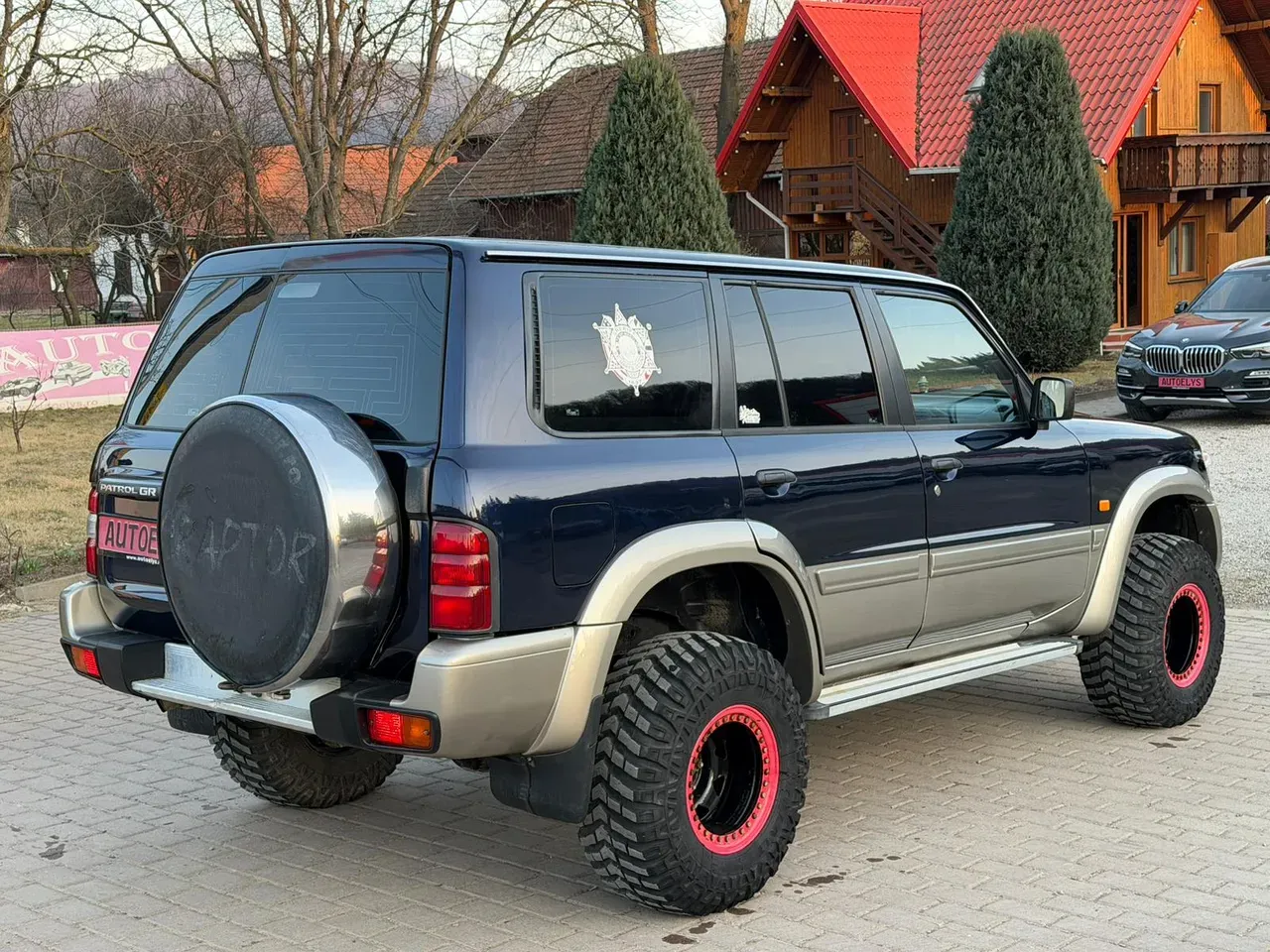
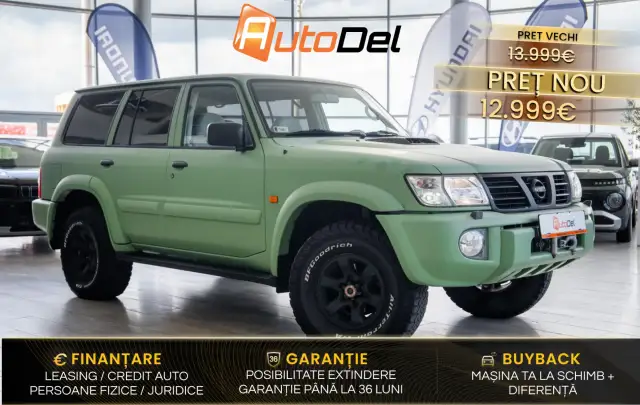
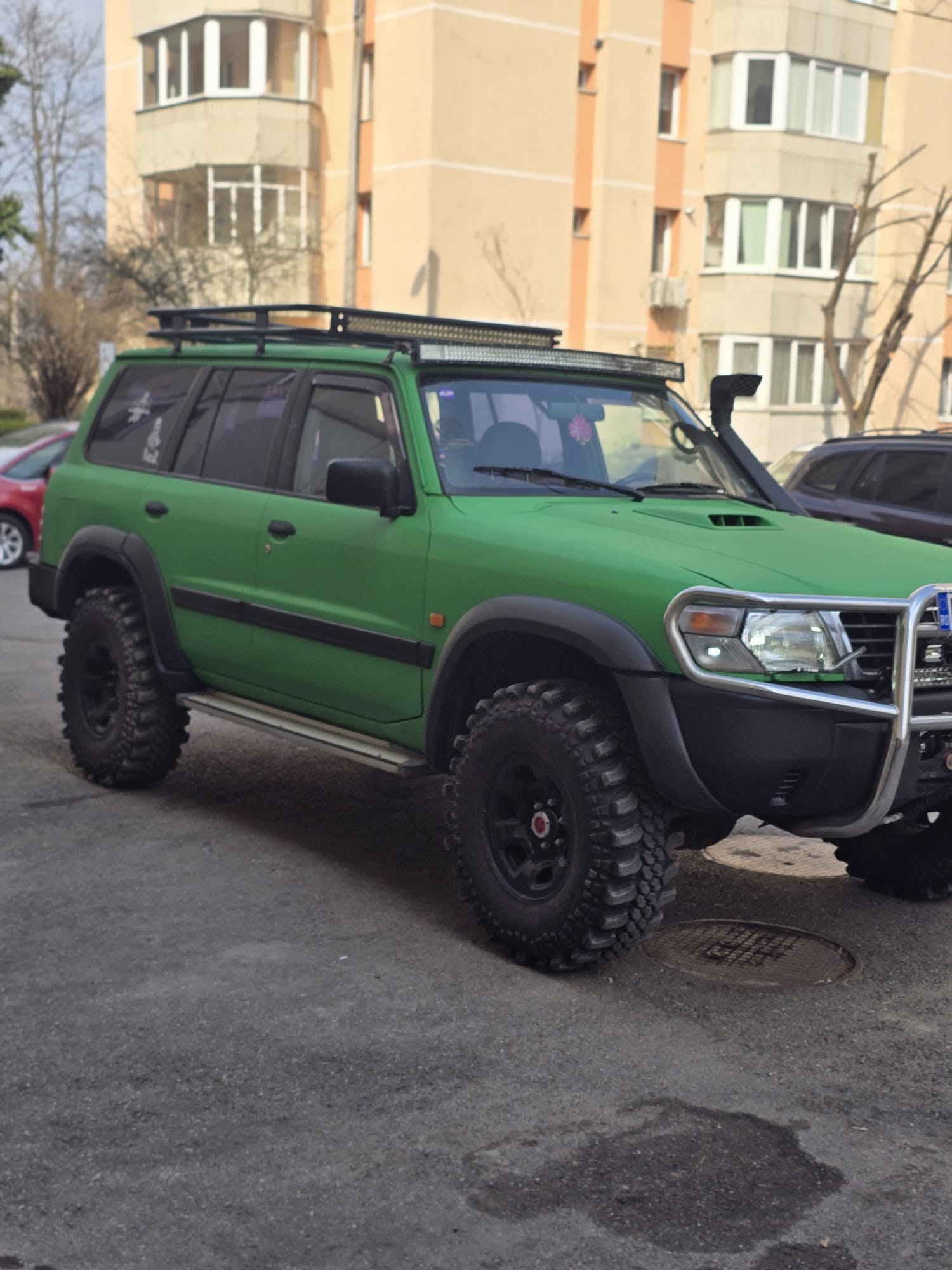
2002, diesel, manual, 243K km, SUV, All Wheels Drive, 3,000 cm3, green, Used condition, In stock

RateAutoMures.ro
 Romania, Mureş



















 Romania, Mureş
 Romania, Suceava
 Romania, Suceava
If you are shopping for a Nissan Patrol, the first useful mindset is this: do not treat it like a car you can judge in 30 seconds from the first photo. A Nissan Patrol often attracts buyers who want something specific, and that changes how you should read the market. On some days in the EU market, you may find only a small number of directly comparable offers, which means patience matters. Not every listing is bad, but thin choice makes weak cars look more tempting than they really are. Your job is to slow down, compare what is actually shown, and make the seller prove that the particular Nissan Patrol on offer is worth your time.
A buyer looking at a common hatchback can skip a doubtful ad and open ten more tabs. With a Nissan Patrol, the search can feel different. That is exactly why you should raise your standards rather than lower them. If a listing has vague photos, no cold-start video, unclear mileage history, or a description that says almost nothing beyond the basics, do not excuse it just because another Nissan Patrol is not immediately available nearby. In a thinner market, poor ads often survive longer because someone eventually decides to compromise.
A better approach is to build your own comparison sheet before contacting anyone. Note the year, visible condition, mileage, registration status, signs of off-road use, modifications, and whether the seller shows service records or just promises them. Compare equipment only after the essentials. A more attractive trim does not rescue a Nissan Patrol with incomplete history, inconsistent wear, or a seller who cannot answer straightforward questions.
The Nissan Patrol can pull attention for its image alone, which is why disciplined photo reading matters. Look past the stance and presence. Check whether the tires match the story of the car. If the ad presents it as carefully maintained road use, but the photos show uneven tire wear, battered underbody areas, improvised accessories, or a cabin that looks more tired than the mileage suggests, ask why. The most useful listings usually make inspection easier, not harder: clear body angles, interior details, dashboard close-ups, cargo area, and engine bay photos.
One small but revealing signal: see whether the seller photographs the Nissan Patrol like a machine with a history or like a prop. Ads full of dramatic angles but missing the driver’s seat bolster, steering wheel wear, instrument cluster, and VIN-related paperwork often tell you what the seller would rather not discuss. That does not prove a problem, but it tells you where to focus your questions.
Before you travel to see a Nissan Patrol, send a short, direct message or call with a few specific questions. Ask how long the seller has owned it, why it is being sold, when it was last serviced, and what work was done recently. Ask whether there are invoices, inspection records, or a stamped service book to support the story. If the car has modifications, ask who installed them and whether original parts are included.
Then ask the questions many buyers leave too late: Has the vehicle been used regularly off-road? Are there any warning lights? Is there any current oil, coolant, or transmission leak visible after parking? Does four-wheel-drive equipment engage as it should? Are there vibrations, steering play, or braking issues at motorway speed? You are not trying to interrogate the seller; you are checking whether the answers come quickly and consistently. A good Nissan Patrol seller usually sounds familiar with the car’s recent maintenance and quirks. A weak seller often gives broad, floating answers that never quite land on dates, receipts, or specific repairs.
This is the trap with a model like the Nissan Patrol in a broad European search: buyers start negotiating against scarcity instead of against condition. They think, "I may not see another one soon," and suddenly poor documentation, cosmetic neglect, or suspiciously light descriptions begin to feel acceptable. That is when mistakes happen. The right way to handle a limited pool of Nissan Patrol listings is to widen your patience, not your tolerance for risk.
Another useful observation: a niche-minded buyer often overvalues seller enthusiasm. A long story about adventures, ownership pride, or how reluctant the sale is can make a car sound special. None of that replaces document quality, maintenance proof, or a clean, coherent listing. Emotional storytelling can be genuine, but it can also distract from basic questions. Keep the conversation warm, but keep your checklist colder than the seller’s tone.
A Nissan Patrol is worth seeing when the listing gives you enough to build a believable picture before you leave home. That means consistent mileage claims, useful photos, clear ownership details, honest mention of faults, and at least some evidence of maintenance. If the seller is comfortable sending extra photos, startup footage, underside images, or paperwork snapshots, that is usually a better sign than a polished description with no substance.
Skip or postpone the viewing if the ad is evasive about registration, the answers shift from message to message, or the condition sounds excellent but nothing is documented. Also be careful with offers where the Nissan Patrol has clearly been modified but the seller cannot explain what was done, when, and by whom. Modified examples are not automatically bad; undocumented modifications are simply harder to price and harder to trust.
Before choosing a Nissan Patrol, be honest about why it is on your shortlist. If you want a distinctive, capable large SUV and you are prepared for the ownership routine that can come with an older, more specialist-feeling vehicle, the right listing may justify the wait. If you mainly need an easy everyday family car with simple market comparison and lots of interchangeable alternatives, you may find yourself forcing the Nissan Patrol to fit a job it was not the easiest answer for.
That is why the best Nissan Patrol purchase often starts with one final question to yourself: would you still like this exact car if it were parked next to two easier, simpler alternatives at the same money? If the answer is yes, and the listing backs up the story with documents, condition, and seller transparency, it is worth pursuing. If the answer depends on excuses, scarcity, or hope, keep scrolling. In this part of the market, discipline is usually what saves buyers from expensive enthusiasm.
 Add as preferred sourceSee more from zvelta in Google Search Add as preferred source