EN
ENDEALER

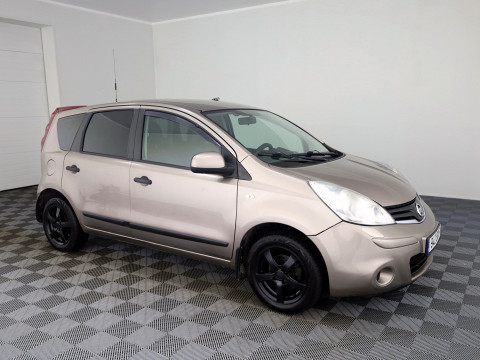
2016, gasoline, automatic, 72K km, VAN, 1,198 cm3, 98 hp, grey, 1.2 dig-s connect edition, Used condition, Europa, In stock, sale date 21.10.2026 03:15

CarOutlet.eu
 Netherlands
Auction starts
21 Oct, 03:15






















 Netherlands
 Estonia, Harjumaa
 Greece, AtticaGreece, AtticaGreece, AtticaGreece, Attica
The smart way to shop for a Nissan Note is to slow down before you travel. On a model like this, buyers often get tempted by the first tidy photos or the nearest available car, especially when there are only a few used listings visible at once. That is exactly when mistakes happen. A good Nissan Note offer is not simply the cheapest or the closest one. It is the one with a believable history, consistent condition, and a seller who can answer normal ownership questions without getting vague.
The Nissan Note usually lands on a shortlist for practical reasons rather than image. People search for it when they want a compact car that should be easy to live with, easy to park, and useful enough for daily errands, commuting, or small family duty. That makes the used market a little tricky in a specific way: many examples can look similar in photos, while the real difference between a good car and a tiring one is hidden in maintenance habits, interior wear, and how honestly the seller presents it.
When comparing Nissan Note cars for sale across the eu market, resist the habit of judging only by mileage and year. Read the listing like a story. Does the description explain recent maintenance, ownership length, tire condition, or why the car is being sold? Do the photos show small honest details like seat fabric, steering wheel wear, luggage area, and close-ups of body panels? Weak listings often hide behind short text and flattering angles. That does not automatically make them bad cars, but it does mean you should ask more before committing to a viewing.
One useful thing about shopping for a Nissan Note in Europe is that you may spot better-looking offers outside your immediate area. The problem is that distance makes people impatient. Once a buyer starts planning a train, a flight, or a long drive, it becomes emotionally easier to overlook missing details because the trip already feels like progress. Try to do the opposite. The farther away the Nissan Note, the stricter your pre-call filter should be.
Ask for very specific confirmation before you travel: cold-start video, dashboard warning-light photo, close shots of any scraped corners, service book pages, and registration documents that match the seller’s name or selling authority. If a seller says the car is “excellent for its age,” ask what actually needs attention next. Tires, brakes, battery, air conditioning, and small electrical items can matter more on a practical hatchback than a polished exterior. A seller who answers clearly is helping you save time. A seller who keeps everything “minor” may be asking you to discover the real list in person.
There is also a less obvious market signal here. With a car like the Nissan Note, some of the best offers are not written like advertisements at all. They can look almost plain: ordinary photos, simple wording, no dramatic claims. Meanwhile, some weak listings try hard to sound premium. On this model, calm honesty is often more valuable than sales language. If the car has been used as a daily tool and maintained accordingly, that can be better than a shiny listing with gaps in the timeline.
A used Nissan Note should be compared as a whole package. Equipment matters, of course, but condition matters more. Before you contact the seller, make a quick table for each listing: mileage, service evidence, number of photos, visible cosmetic defects, tire brand match, interior wear, dashboard lights shown or hidden, and whether the engine bay or boot area is photographed. This small exercise quickly separates genuine offers from lazy ones.
Pay attention to signs of use that do not match the story. A low-mileage Nissan Note with a very worn driver’s seat, shiny steering wheel, damaged cargo floor, or heavily marked door handles deserves extra questions. None of those details proves a problem on its own, but they help you decide whether the mileage claim and overall care level feel coherent. The same goes for bodywork. Uneven panel gaps, inconsistent paint reflections, or photos taken only from one side should trigger a polite request for more images.
Instead of asking “Is everything okay?” ask questions that force useful answers. For a Nissan Note, try: How long have you owned it? What maintenance was done in the last 12 months? Are there any warning lights now or after startup? Does the gearbox behave smoothly when cold and warm? Are there any electrical features not working properly? Has the car had body repairs, and if yes, where? Can you share photos of the service records and two keys if available?
Then ask one question many buyers forget: What would you fix next if you kept the car for another year? Good sellers usually have a realistic answer. It might be tires soon, a service coming up, or a cosmetic issue they never bothered to sort. That answer often tells you more than the main description.
The Nissan Note can tempt buyers who want straightforward value, but a low asking price only helps if the car is ready to be used without immediate catch-up spending. A bargain listing becomes weak very quickly if it needs overdue maintenance, missing paperwork, transport across borders, and cosmetic repair all at once. Compare total effort, not only price. A slightly more expensive Nissan Note with better history, clearer seller communication, and easier inspection access may be the better buy.
That is especially true when market availability is thin. If only one or two listings seem active, it is easy to talk yourself into accepting uncertainty. Do not. Limited choice is not a reason to abandon standards. It is a reason to sharpen them. If a seller cannot support the basics with photos, documents, and consistent answers, keep looking and save yourself a difficult ownership start.
A worthwhile Nissan Note listing usually feels consistent from top to bottom. The photos match the description, the wear matches the mileage story, the seller sounds like someone who has actually lived with the car, and the practical details are not treated like inconveniences. That coherence matters more than perfect wording or showroom-style presentation.
If you approach the Nissan Note this way, you stop shopping emotionally and start comparing offers like an experienced buyer. That is when the right car becomes easier to spot: not the one that creates urgency, but the one that makes sense on paper before you ever set off to inspect it.
 Add as preferred sourceSee more from zvelta in Google Search Add as preferred source