 EN
ENDEALER
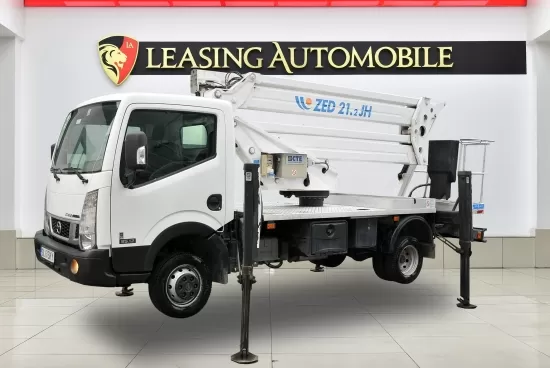
39.183 US$DEALER
47.389 US$
2015, diesel, manual, 28K km, Front Wheels Drive, 2,488 cm3, 123 hp, Euro 5, white, Europa

LeasingAutomobile.ro
 Romania



















 Romania
A Nissan Cabstar listing is rarely an impulse buy. Most people looking at one already have a job in mind: deliveries, light trade work, local hauling, or a small business that needs a compact truck more than it needs image. That is exactly why the first step is not admiring the photos. It is asking whether this particular Nissan Cabstar looks like a vehicle that has been worked hard, worked carefully, or simply advertised lazily. With only a small number of used listings in the EU market at any given time, weak offers can stay visible longer than they deserve.
Life with a Nissan Cabstar can be very straightforward when the seller presents it honestly. The useful listings usually feel calm and specific: clear photos of the cab, cargo area or body type, dashboard, seats, tyres, and the parts that normally collect wear. The weak ones often hide behind distance shots, vague mileage descriptions, or a line like “runs well” without any paperwork to support recent maintenance. For a working vehicle, that difference matters more than polished language.
Before calling, compare the basics that affect daily use. Is it the body style you actually need? Does the listing show a tipper, box body, dropside, chassis cab, or something converted later? Has the Nissan Cabstar been kept in a form that suits your work, or will you spend money adapting it after purchase? Buyers sometimes focus only on mileage and forget that the wrong body setup can be a more expensive mistake than a higher odometer reading.
A trustworthy Nissan Cabstar seller usually speaks in specifics, not slogans. Ask what the truck was used for, how long they have owned it, and why it is being sold now. Listen for a story that makes sense. A seller who can explain the working routine of the vehicle often knows it well enough to discuss maintenance, loading habits, and recent repairs without hesitation.
Useful questions are simple:
Those questions are not dramatic, but they quickly separate genuine owners from sellers who know very little about the vehicle. If the answers stay vague even on basic points, treat that as a warning. A commercial vehicle does not need a perfect story, but it does need a coherent one.
The interesting thing about the Nissan Cabstar in the used market is that appearance can mislead both ways. Some tired-looking examples may actually come from steady professional use with decent records and predictable wear. Meanwhile, a cleaner-looking truck can be little more than a rushed resale with cosmetic preparation and thin documentation. For this kind of vehicle, “how it was used” often matters more than “how shiny it looks today.”
That ownership angle is worth taking seriously. Imagine your normal week with the Nissan Cabstar: early starts, repeated short trips, loading and unloading, reversing in tight yards, sitting in traffic, then doing it all again tomorrow. A good offer should feel ready for that routine. A seller who can show recent servicing, explain what still needs attention, and describe the truck without defensiveness is often giving you more value than a seller who only talks about how clean it is.
When you compare Nissan Cabstar cars for sale in the EU market, avoid judging them by one number. Mileage matters, but so do signs of strain and neglect. Look at seat wear versus claimed use, pedal wear versus odometer reading, condition of the load area, tyre match, panel alignment, and whether the cab interior looks commercially worn in a normal way or suspiciously refreshed.
If the listing includes very little information, ask for targeted photos before arranging a visit. Request close images of the dashboard with ignition on, the cargo body, chassis areas visible from the side, tyres, and any damaged sections. A serious seller will usually understand why a buyer wants that. If they resist basic photo requests, you may be saving yourself a wasted trip.
This is also where alternatives help your judgment. Even if you are set on a Nissan Cabstar, compare the listing against similar compact commercial vehicles in the same market. Not because you must switch models, but because it sharpens your sense of what a fair, complete, well-presented offer looks like. A weak Nissan Cabstar listing becomes easier to spot once you have seen how better sellers present comparable work vehicles.
On inspection day, the seller's attitude can tell you nearly as much as the truck. A confident seller will usually let you start it from cold if possible, walk around the vehicle slowly, and point out known faults without acting offended. That matters, because ownership of a Nissan Cabstar is usually practical rather than emotional. The best transactions often feel refreshingly direct: here is what it did, here is what was fixed, here is what still needs attention.
Check documents carefully, but do not stop there. Look for signs that everyday ownership was organized: sensible maintenance records, matching wear across the vehicle, and evidence that the truck was kept working rather than patched just for sale. During a test drive, pay attention to how it starts, shifts, steers, brakes, and settles over rough surfaces. If something feels off, ask when it first appeared and whether any diagnosis was done.
A Nissan Cabstar is worth your time when the listing matches the truck, the seller answers direct questions directly, and the expected working life after purchase feels believable. You do not need perfection from a used commercial vehicle. You need honesty, usable condition, and a setup that fits your real workload. If the history is thin, the photos are selective, and the seller seems annoyed by normal questions, move on.
The right Nissan Cabstar offer usually does not shout. It looks complete, sounds consistent, and gives you enough confidence to imagine the first month of ownership without immediate surprises. That is the standard to keep in mind when browsing used listings: not whether the truck is exciting, but whether it feels ready to earn its keep.
 Add as preferred sourceSee more from zvelta in Google Search Add as preferred source