EN
ENDEALER
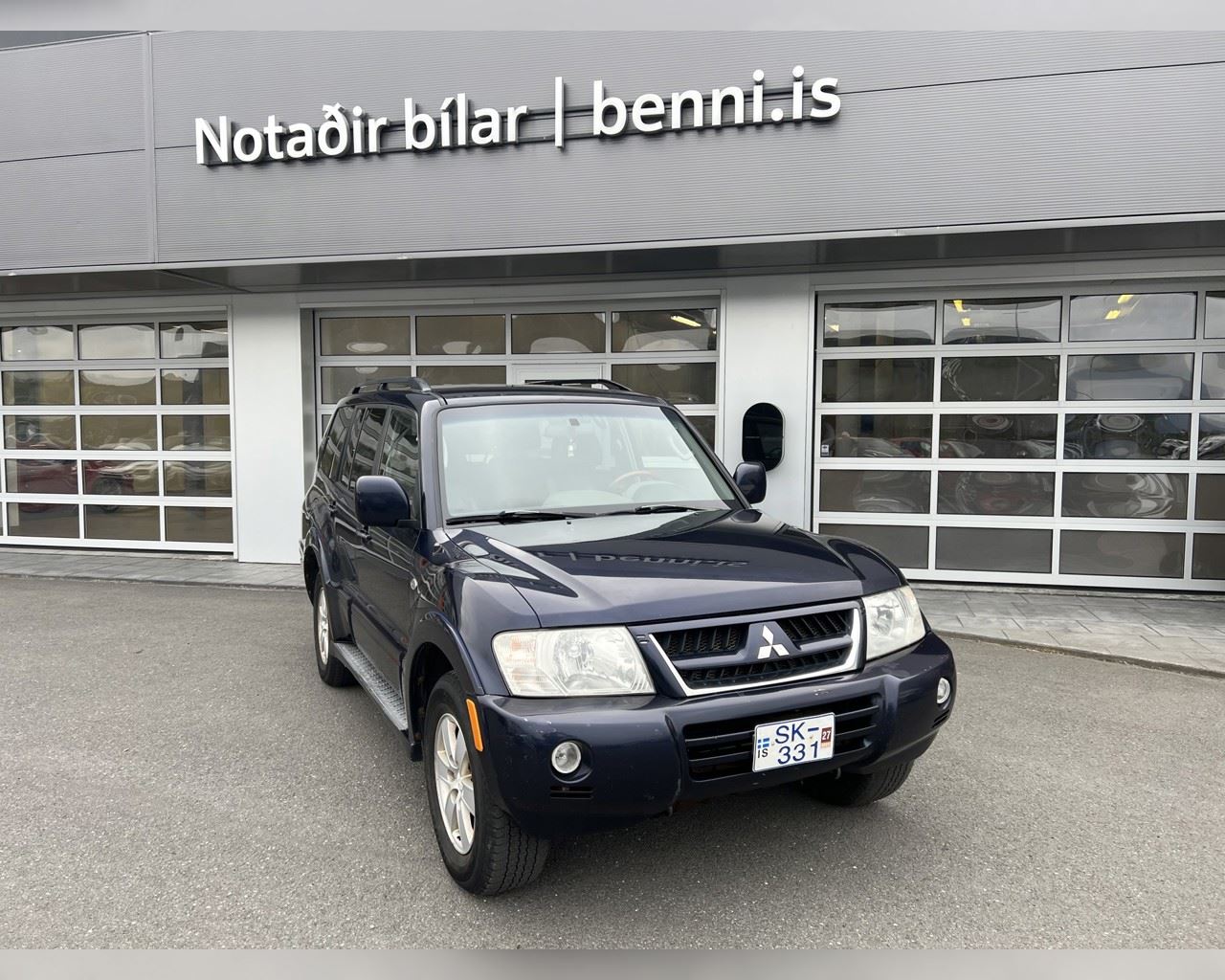
7.327 US$DEALER
2005, gasoline, automatic, 209K km, All Wheels Drive, 216 hp

notadir.benni.is
 Iceland





















 IcelandReykjavík, Iceland
 SpainNetherlandsNetherlandsNetherlandsNetherlandsNetherlandsNetherlandsNetherlandsNetherlandsNetherlandsNetherlandsNetherlandsNetherlandsNetherlandsNetherlandsNetherlandsNetherlandsNetherlandsNetherlands
 Clouange, France
 Germany, Lower SaxonyGermany, Lower SaxonyGermany, Lower Saxony
If you are shopping Mitsubishi in the European market, the smartest move is to narrow the brand down by use case before you fall for the first tidy photos. Mitsubishi can attract very different buyers at once: someone who wants a simple daily car, someone looking for a practical family option, and someone drawn to the brand's tougher image or older 4x4 reputation. That is why Mitsubishi listings can look similar on the surface but make very different ownership sense once you read past the headline. Start by deciding what matters more to you: easy daily use, cabin space, drivetrain type, or long-distance confidence. Then compare offers through that lens instead of chasing the cheapest ad.
A strong Mitsubishi ad usually tells you how the car has been used, not just what equipment it has. Look for a clear maintenance story, recent service items, matching tire condition, interior wear that fits the mileage, and photos that do not avoid the usual trouble spots. If the listing is vague about service history, has only glamor shots, or jumps straight to "drives perfect" without detail, treat it as a maybe, not a bargain. With Mitsubishi, as with any brand, a modest but honest listing is often worth more than an overconfident one.
One useful trick is to compare three things together: mileage, age, and seller effort. A higher-mileage Mitsubishi with sensible photos, readable paperwork, and consistent wear can be a better prospect than a lower-mileage one with missing history and fresh cosmetic cleanup. Ask yourself whether the seller is helping you verify the car or trying to speed you past the questions. That difference matters more than polished wording.
In a multi-country EU search, Mitsubishi buyers often widen the radius quickly because the brand's most tempting offers may not be near home. That can be sensible, but distance changes the math. A car that looks attractively priced across a border can become less attractive once you add travel, inspection time, document checks, and the risk of walking away empty-handed. Before you message a distant seller, ask for the exact registration details, service documentation, cold-start video if relevant, dashboard warning-light photos, and close-ups of body panels and interior wear. You want enough evidence to decide whether the journey is justified.
This is where many rushed searches go wrong. Buyers sometimes assume that a rarer Mitsubishi listing in another part of Europe must be worth the effort simply because local supply is thinner. Not always. A mediocre car becomes more tempting when it feels scarce. Keep your standards the same whether the car is nearby or several hours away. If the seller is evasive before the visit, the trip will not improve the car.
When you line up Mitsubishi cars for sale, do not compare only by year and price. Compare by likely ownership path. Does one car show evidence of regular servicing and normal use, while another looks prepared mainly for sale? Does the specification actually match how you will drive, or are you paying extra for features that matter less than condition? Is the transmission, drivetrain, or trim level clearly described, or are you left guessing from photos? A serious listing should make basic identification easy.
For used Mitsubishi offers, ask direct questions early: What work was done recently? Are there invoices or stamps to support it? How long has the seller owned the car? Has it had repainting, accident repair, or periods off the road? Are there any warning lights, fluid leaks, unusual noises, or electronic faults? You are not trying to catch the seller out. You are testing whether the story stays consistent when details appear.
There is a small but telling pattern in used-brand searches: some sellers rely on Mitsubishi's durable image and expect buyers to overlook weak evidence. That is exactly when you should slow down. A brand reputation, even a decent one, does not replace maintenance records, careful ownership, or a proper inspection. In fact, cars with a "these just keep going" aura can suffer from the opposite problem: people postpone little fixes because they assume the car will tolerate it. Look closely at the details that reveal routine care rather than toughness myths.
Another practical observation: Mitsubishi can attract buyers who search broadly across several body styles and older age ranges, so the shortlist can become messy fast. If you are comparing a compact everyday car, a family-oriented option, and a more rugged model under one brand badge, your decision can feel rational on paper while still producing the wrong ownership experience. Write down your non-negotiables before you browse again. Space, comfort, running priorities, and trip type usually matter more than a romantic idea of what the brand stands for.
A Mitsubishi listing is worth the visit when the basics line up before you travel: sensible seller communication, a believable history, photos that show the car honestly, and answers that remain consistent after follow-up questions. If any of those pillars are weak, keep scrolling. There are only so many hours you should spend chasing possibility.
For new and used Mitsubishi cars alike, the best offer is rarely the one that shouts the loudest. It is the one that makes comparison easy, leaves fewer unanswered questions, and still looks sensible after you imagine the real ownership routine. Search with patience, compare with discipline, and let the quality of the listing decide whether a Mitsubishi deserves your time.
 Add as preferred sourceSee more from zvelta in Google Search Add as preferred source