 EN
ENDEALER

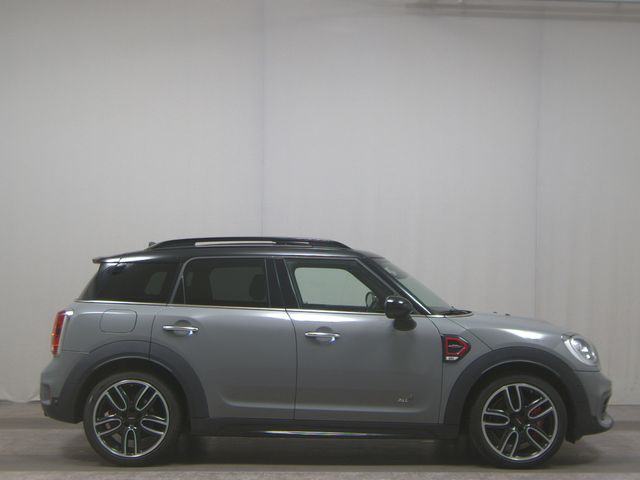
2021, hybrid, manual, 87K km, sedan, 220 hp, grey, Cooper S E ALL4, Used condition, Europa, In stock, sale date 19.10.2026 06:45

CarOutlet.eu
 Spain
SpainAuction starts
19 Oct, 06:45






















 SpainBelgiumBelgiumBelgiumBelgiumBelgiumBelgiumBelgiumBelgiumBelgiumBelgiumNetherlandsFranceFranceFranceFrance
 Germany, Lower SaxonyGermanyGermany
 Estonia, Harjumaa
 Estonia, HarjumaaEstonia, Harjumaa
 Granarolo dell'Emilia, ItalyPolandPoland
If you are shopping for a MINI Countryman, the smartest move is not to start with the cheapest listing. Start with the offers that make sense on paper. In the EU market, where used cars often travel across borders and arrive with very different histories, the best MINI Countryman listing is usually the one that answers your questions before you even ask them: clear photos, readable service details, honest mileage, and a seller who describes the car rather than decorating the ad.
A good MINI Countryman ad deserves a call when the basics line up cleanly. Look for a seller who shows the exterior in daylight, includes interior photos that reveal real wear, and mentions maintenance in a specific way. “Serviced” means little on its own; dates, invoices, recent work, or at least a believable ownership story matter more. If the ad gives you trim, transmission, fuel type, mileage, and a few useful equipment details without sounding vague, it is already ahead of many used car listings.
A MINI Countryman deserves a visit when the paperwork story and the visual story match. If the steering wheel, seats, pedals, and driver’s door area look consistent with the claimed mileage, that is a good sign. If the body gaps appear even and the paint reflections look consistent across panels, it may be worth seeing in person. On a model like this, where buyers often care about both style and usability, a tidy cabin can tell you almost as much as the bodywork.
Skip the tempting bargain when the ad creates extra work for you. Poor photos, missing dashboard shots, no cold-start information, no mention of service history, and answers like “everything is fine” are not minor flaws in the listing; they are warnings that you may be doing the seller’s job just to discover basic facts. A cheap MINI Countryman can still become an expensive waste of time if you have to travel just to uncover obvious omissions.
People do not usually search for a MINI Countryman in the same mindset as they search for a plain commuter hatchback. They are often balancing image, compact dimensions, higher seating, and everyday practicality in one choice. That changes how you should compare listings. A weaker ad can still attract attention because the car looks right in photos. Do not let that visual charm outrank the boring but important stuff: ownership trace, maintenance records, warning lights, tyre condition, and whether the seller can explain recent work confidently.
There is also a subtle market pattern worth watching in the EU: some MINI Countryman offers look attractive because they present the car as a lifestyle object first and a used vehicle second. That is not automatically bad, but it means you should slow down and read past the glossy images. When an ad focuses on panoramic shots and cosmetic upgrades but stays thin on service information, ask yourself whether you are seeing a cared-for example or simply a well-staged one.
Build your shortlist in layers. First, compare the non-negotiables: registration documents, mileage consistency, visible condition, and maintenance history. Then compare use-case details. Does this MINI Countryman have the seating, luggage space impression, and equipment you actually want, or are you compromising because the photos are attractive? One of the easiest mistakes with this model is paying attention to personality before practicality.
Next, compare signs of honest ownership. A seller who can explain how long they have had the MINI Countryman, where it was serviced, what was done recently, and why they are selling is usually easier to trust than one who keeps everything broad and casual. Ask for a photo of the service book or invoices if they are not shown. Ask whether both keys are present. Ask whether any lights stay on after startup. Ask whether the car has spent long periods unused. These are simple questions, but the tone and precision of the answers matter almost as much as the answers themselves.
When you call about a MINI Countryman, do not waste the first minute on negotiation. Use it to test clarity. Ask: is the car being sold by the owner or for someone else? How long have they had it? What maintenance has been done recently? Has anything been repaired because of a fault rather than normal servicing? Are there scratches, dents, trim issues, warning lights, leaks, or electronics that work intermittently? If the transmission behavior, starting behavior, or air conditioning has any quirks, you want to hear that before arranging a visit.
A strong seller usually answers directly and sounds unsurprised by practical questions. A weak seller often drifts into generic reassurance, changes the subject to price, or repeats that the MINI Countryman “drives perfectly” without giving details. That does not automatically mean the car is bad, but it does mean the listing moves down your shortlist.
A used MINI Countryman does not need to be flawless to be worth buying. It does need to be consistent. Wear should match mileage. The engine bay should look used but not neglected. The tyres should not suggest corner-cutting maintenance. Interior buttons, infotainment controls, seat adjustment, windows, mirrors, and climate functions should all be tried, because small faults are easy to hide in a stylish ad and annoying to live with later.
During the test drive, pay attention to whether the car feels coherent rather than dramatic. Does it start cleanly? Idle steadily? Shift smoothly? Brake straight? Track straight on the road? If anything feels off, ask whether that behavior is known and documented. A seller who is comfortable with an inspection and does not resist basic checks is often offering a better MINI Countryman than the one that looks perfect online but becomes evasive in person.
The best MINI Countryman listing is rarely the one that grabs you first. It is the one that stays convincing after five minutes of scrutiny, a phone call, and a second look at the photos. Shortlist the ads that are complete, believable, and easy to verify. Visit the cars whose condition appears consistent and whose sellers answer like owners, not performers. Skip the offers that rely on low price, vague wording, or image alone. That way, your final choice is not just a MINI Countryman you like the look of, but one you can buy with a calmer head.
 Add as preferred sourceSee more from zvelta in Google Search Add as preferred source


![Mini Countryman Cooper D Edition Northwood 150 Ch BVA8 VP [5P] Bva 8-150CH-8cv (bi-corps)](https://cdn-media.caroutlet.eu/car/4381/12/thumb_438011586_car_small.jpg "Mini Countryman Cooper D Edition Northwood 150 Ch BVA8 VP [5P] Bva 8-150CH-8cv (bi-corps)")