 EN
ENDEALER
29.186 US$DEALER
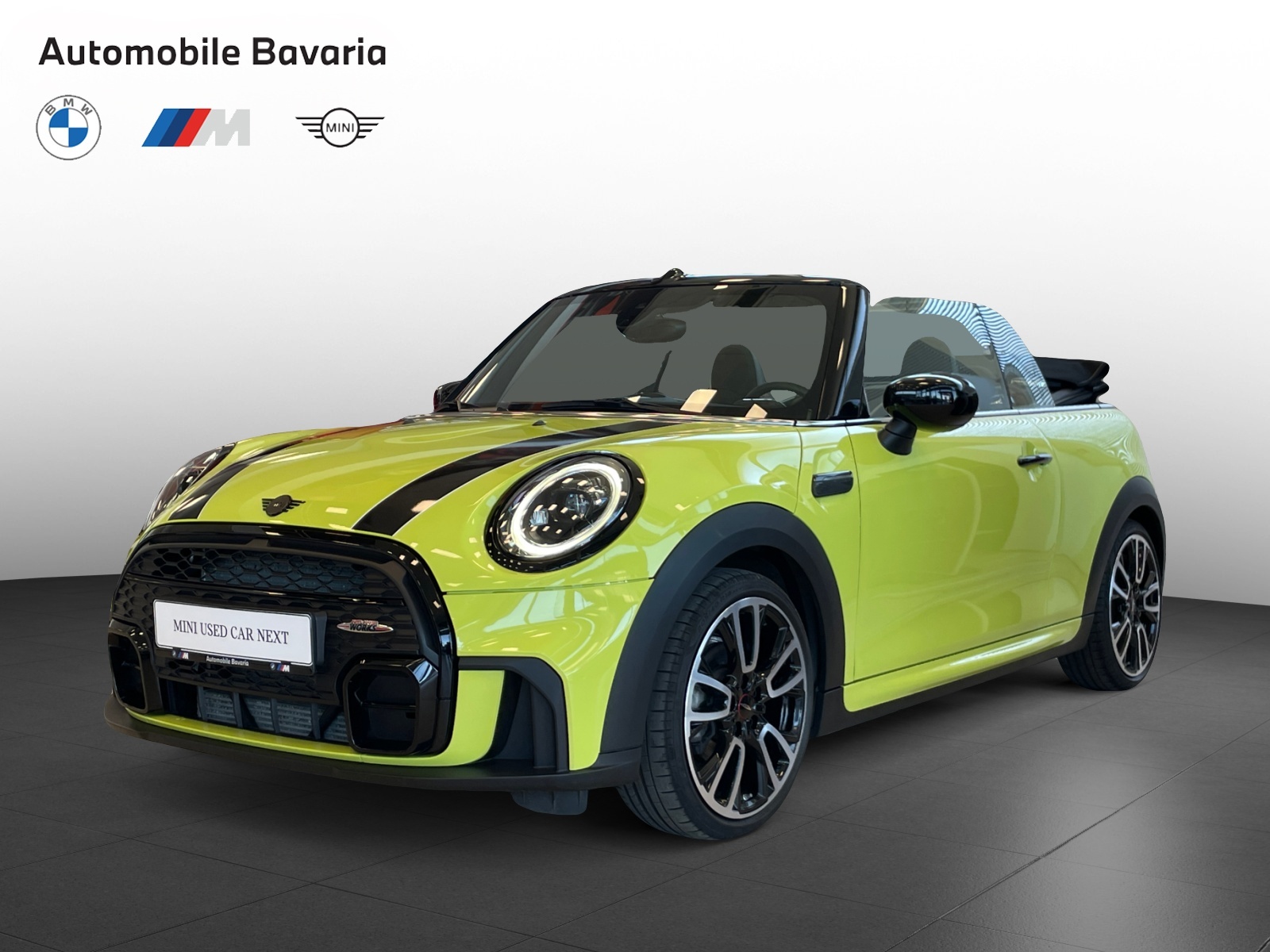
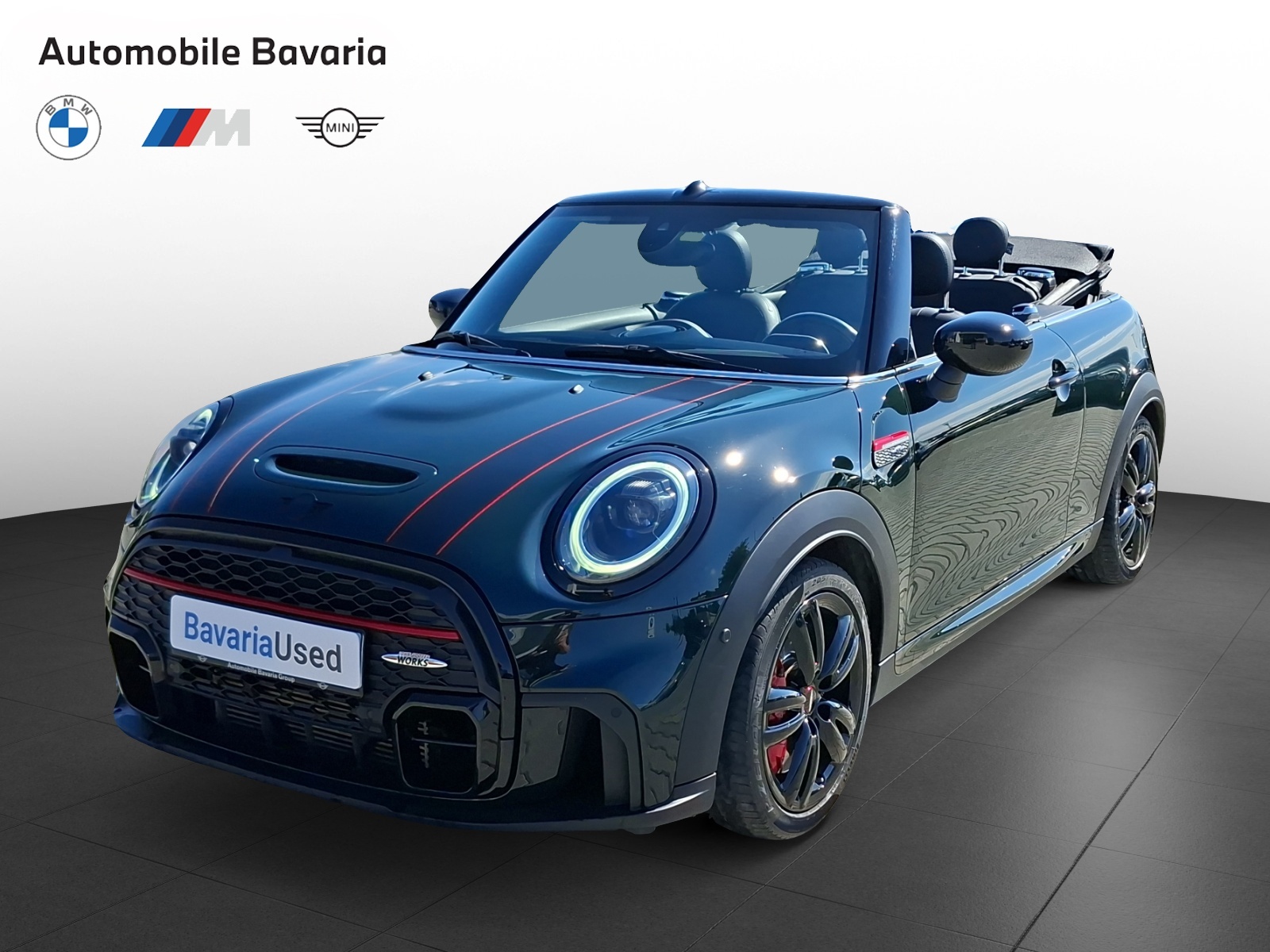
MINI: Convertible, 2021, gasoline, automatic, 58K km, Front Wheels Drive, 1,998 cm3, 231 hp, Euro 6

BavariaUsed.com
 Oraş Otopeni, Romania



















 Oraş Otopeni, RomaniaTimişoara, RomaniaAndrei Mureșanu Cluj-Napoca, RomaniaBăneasa, RomaniaRomania
The smart way to shop for a MINI Convertible is to treat charm as a bonus, not the reason to buy. This model tends to attract people who fall for the look first and only later start asking the practical questions. Flip that around. When you compare MINI Convertible cars for sale, start with condition, roof history, maintenance evidence, and how honestly the seller describes the car. The best listings usually feel calm and complete; the weaker ones lean too hard on style, summer mood, or vague claims.
A MINI Convertible is rarely chosen by someone who only wants cheap transport from A to B. It usually attracts buyers who want a small car with personality, open-top driving, and a sense that even an ordinary trip should feel a bit more memorable. That matters when you browse used listings, because it shapes the market. Some cars will have been owned by careful enthusiasts who kept records and fixed small issues early. Others may have been bought for image, used lightly, photographed well, and maintained less carefully than the ad suggests.
That is the first useful distinction on this page: are you shopping for a fun second car, a stylish daily driver, or simply the most affordable way into a MINI Convertible? Those are not the same search. A cheap example can still be the right buy if the seller is transparent and the car’s history makes sense. A more expensive one is not automatically better if the listing avoids details that should be easy to provide.
Before you message anyone, compare the ads line by line. On a model like the MINI Convertible, seller quality often shows up in small details. Good offers usually mention recent maintenance, roof condition, mileage context, number of keys, and a clear set of photos showing exterior, interior, and the open and closed roof. Weak offers often use flattering angles, avoid close shots, and say almost nothing beyond “drives well” or “well maintained.”
Look carefully at how the car is presented. If a seller highlights wheels, color, or summer-ready looks but says little about service history, that imbalance tells you something. With a MINI Convertible, the roof is part of the car’s identity and part of the risk, so you want to know whether it opens and closes smoothly, whether seals look healthy, and whether there are signs of water ingress, damp smells, or trim wear around the roof area. Even if the listing seems attractive, ask for extra photos or a short video if these points are missing.
A less obvious clue: compare how much effort went into the description relative to the asking position in the market. When there are only a few MINI Convertible listings across the EU market, some sellers assume scarcity alone makes their car desirable. Don’t reward laziness. A rare-looking offer is still weak if it hides basics.
You can save yourself a wasted trip with a short, focused message. Ask the seller what has been done recently, whether the roof has needed repairs or adjustments, whether there are any warning lights, and whether there is documented maintenance rather than verbal reassurance. Ask how long they have owned the car and why they are selling it now. These simple questions often reveal whether you are speaking to a careful owner, a casual reseller, or someone hoping that personality will distract from deferred upkeep.
For a MINI Convertible, also ask about the kind of use the car has had. A lightly used leisure car can sound attractive, but long periods of little use can still mean aged tyres, tired battery behavior, old fluids, or neglected minor issues. On the other hand, a regularly driven car with believable history may be the healthier buy. The goal is not to find a perfect story. It is to find a coherent one.
This is one of those models where buyers sometimes forgive too much because the car feels special. Try not to. Cosmetic appeal can make you underestimate wear, patchy history, or seller evasiveness. If the steering wheel, seats, switches, or weather seals look more worn than the mileage and description suggest, ask why. If the photos are taken with the roof down only, ask to see the roof up and the rear window area clearly. If the ad says “no issues” but the seller becomes vague the moment you ask about maintenance paperwork, move on.
There is also a broader MINI point here. People shopping this brand are often willing to pay extra for character, design, and the way the car makes them feel. That is understandable. But on the used market, character is not a substitute for evidence. The right MINI Convertible listing should give you both: emotional appeal and a believable ownership story.
When you have a short list, stop looking at each car in isolation. Compare them as packages. One car may have higher mileage but clearer history, better photos, and a seller who answers directly. Another may look shinier but tell you almost nothing. In practice, the first car is often the stronger buy. Try to rank listings by trustworthiness before you rank them by color or image.
Also compare how complete the offer feels. Does the seller show the cabin in daylight? Do the panel gaps and trim condition look consistent? Is there any sign the car has simply been cleaned for photos, or does it look cared for over time? If you can picture yourself explaining to a friend why this MINI Convertible is the right one, your answer should sound like “better history, clearer seller, fewer open questions,” not just “it looked fun.”
If you are on this MINI Convertible page, you probably are not hunting for the most anonymous used car in the market. You want something with more spirit than a generic small hatchback. That is exactly why discipline matters. The best MINI Convertible offer is the one that still feels appealing after you have checked the boring parts: paperwork, maintenance, roof operation, wear consistency, and seller honesty. If a listing survives that test, then the style and open-air appeal become a genuine advantage rather than an expensive distraction.
 Add as preferred sourceSee more from zvelta in Google Search Add as preferred source