EN
ENDEALER
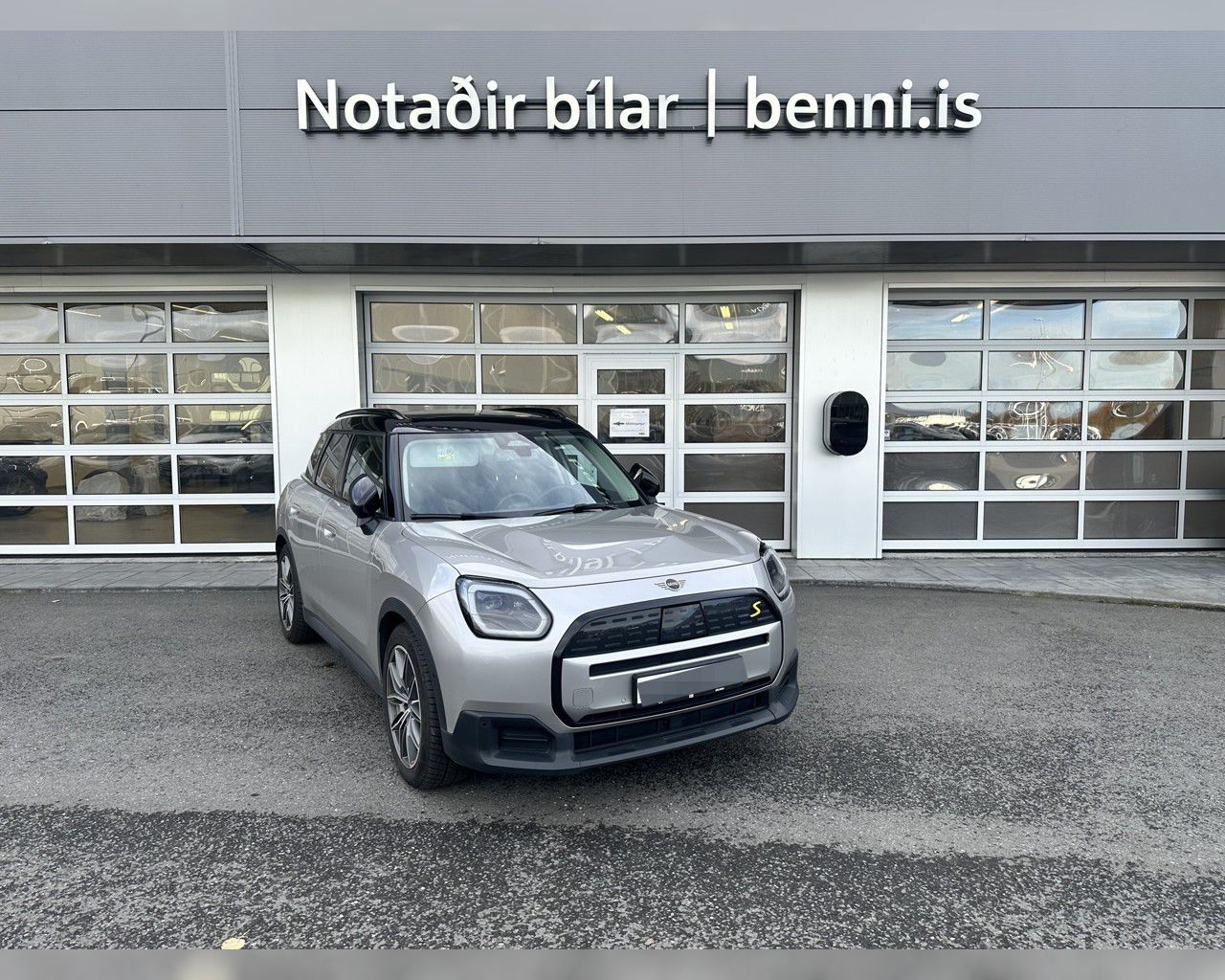
68.247 US$DEALER
2025, electric, automatic, 12K km, All Wheels Drive, 310 hp

notadir.benni.is
 Reykjavík, Iceland





















 Reykjavík, Iceland
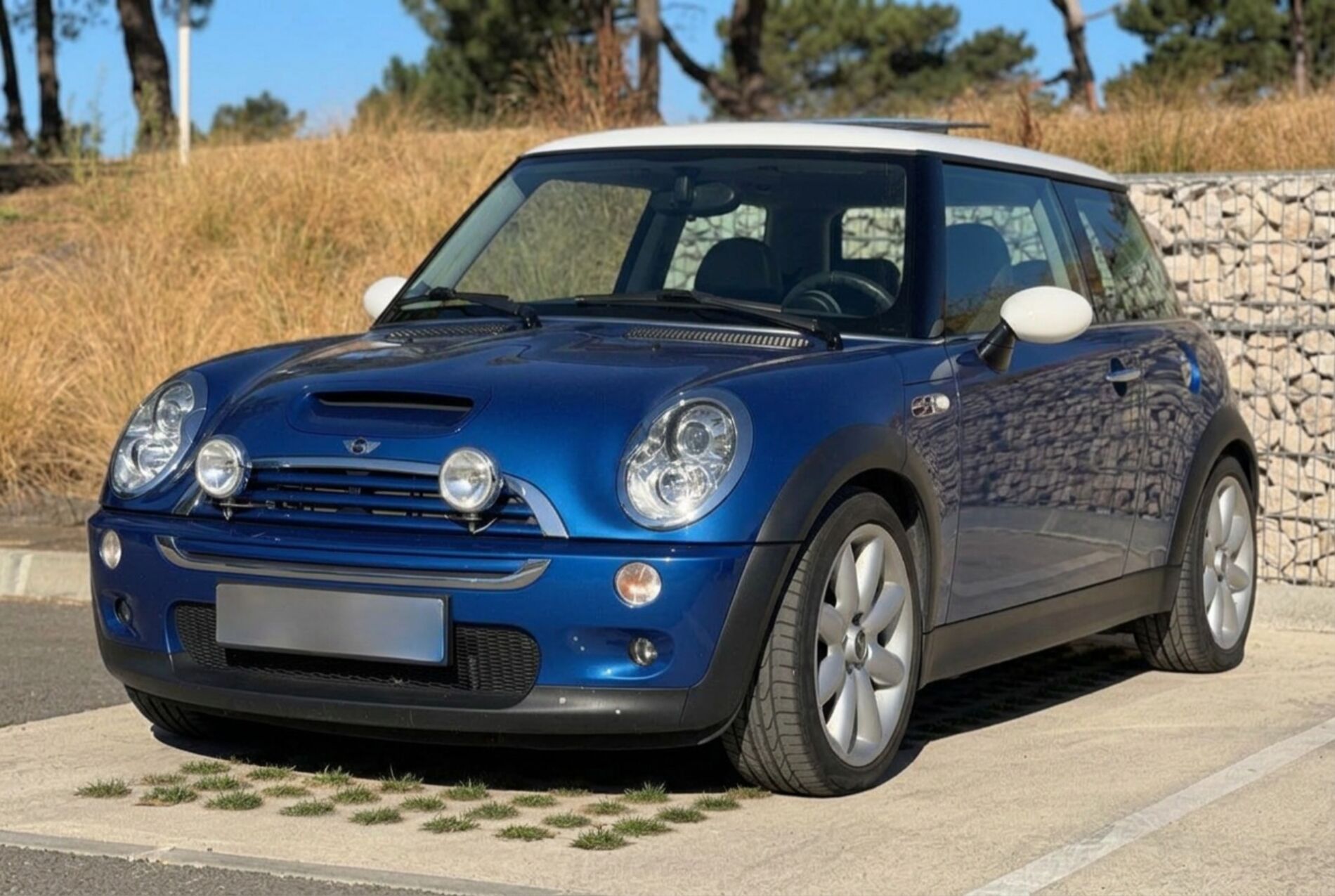
 Angliers, France
 SpainSpainSaint-Maur-des-Fossés, FranceBelgiumBelgiumBelgiumBelgiumBelgiumBelgiumBelgiumBelgiumBelgiumBelgiumBelgiumNetherlandsNetherlandsNetherlandsNetherlandsNetherlandsNetherlandsNetherlandsNetherlandsNetherlands
The tricky part with MINI listings is that the first attractive car is often not the best car. In the EU market, supply can be uneven, good examples may sit far from where you are, and sellers know that MINI has strong visual appeal in photos. That means a clean-looking ad, fresh detailing, or a bright color should never be enough on its own. If you are shopping used MINI cars for sale, start by assuming you may need to compare several offers carefully before one is truly worth the trip.
A sensible buyer usually wins with MINI by slowing the process down a little. Before you arrange a viewing, compare the basics line by line: body style, engine description, transmission, mileage, service history, number of owners if shown, and whether the seller actually explains the car beyond the usual short phrases. A serious MINI listing tends to read like someone knows the car. A weak one often hides behind glamour shots and very little detail.
People do not shop MINI only with the rational side of the brain. They also shop with taste. That is part of the brand’s charm, but it also changes how listings should be judged. Two cars that look equally appealing in thumbnails can lead to very different ownership experiences depending on maintenance history, wheel and tire condition, signs of cosmetic repair, or whether optional equipment works as expected.
This is where comparing offers becomes more useful than chasing the most eye-catching one. Look at how each MINI seller describes the car’s recent work. Is there any mention of servicing, wear items, inspections, or documented maintenance? Are interior photos detailed enough to judge actual use, or are they framed to show only design highlights? With MINI, presentation can flatter a tired car more easily than with a more ordinary brand, so the smartest approach is to read every ad as if the style is trying to distract you from substance.
A strong MINI offer usually gives you enough information to build a picture before the phone call. You want to see consistent mileage storytelling, useful photos from multiple angles, clear registration or import status where relevant, and equipment described in a way that sounds specific rather than copied. If a seller mentions recent maintenance, ask what exactly was done and when. If the ad says the car is in excellent condition, ask what the seller would fix next if they were keeping it.
That question is underrated. Honest sellers often answer it well. Evasive sellers tend to fall back on vague reassurance. The same goes for ownership history. With a used MINI, ask how long the seller has had it, why they are selling, whether they have invoices, and whether there are any warning lights, leaks, electronic quirks, or cosmetic issues not obvious in the photos. A car can still be worth buying with minor flaws, but the listing becomes weak when the seller forces you to discover everything only after you arrive.
Many buyers make the shortlist too quickly by sorting only by year, mileage, and price. That is useful, but with MINI it helps to step back and ask what role the car needs to play. Is it mainly an urban car, a stylish commuter, a second household car, or something you expect to use regularly on longer motorway trips? That question changes what makes one listing stronger than another.
A more basic MINI in transparent condition can be a better buy than a newer-looking example with bigger wheels, sportier trim, and no clear maintenance story. Nicely specified cars are tempting, especially in photos, but extra features only add value when they are matched by believable care. If you are torn between two used MINI offers, the better one is often the car with clearer paperwork, more coherent history, and a seller who answers directly, not the one with the more dramatic ad copy.
There is also a small but important market habit around MINI: some shoppers excuse too much because the brand feels special. They forgive thin service records, inconsistent photos, or missing details that they would question immediately on another car. That is a mistake. The right MINI should still survive ordinary buyer logic. If a seller cannot explain the car clearly, there is no reason to assume the hidden parts of ownership will be easier than the listing suggests.
When scanning MINI cars for sale, pay attention to consistency. Do the wheels match the condition of the body? Does the interior wear make sense for the stated mileage? Are panel gaps, paint reflections, and trim pieces consistent across photos? Even if you are not making technical conclusions from pictures alone, these clues help you decide whether a viewing is worth your time.
Read the seller’s language too. Listings that mention only how fun, stylish, or iconic the car is may be leaning on image instead of evidence. Better ads usually include practical details: maintenance dates, tire condition, recent consumables, known faults, document status, and equipment that actually matters in daily use. If a MINI ad feels written for admiration rather than inspection, treat it carefully.
Before visiting, ask for cold-start information if possible, extra photos in normal daylight, and confirmation that all keys and documents are available. For any used MINI, it is reasonable to ask whether the car has had accident repairs, what service records exist, whether there are finance or registration complications, and whether any dashboard messages appear intermittently. You are not accusing the seller of anything; you are filtering weak offers early.
Not every cheaper listing is good value, and not every expensive one is overpriced. With MINI, condition and ownership quality can matter more than the initial number that catches your eye. A car with fuller history, cleaner documentation, better photo transparency, and a seller willing to discuss faults calmly may deserve to sit higher in your shortlist even if the asking price is not the lowest.
That is especially true if you are comparing cars across the broader EU market and the viewing itself costs time and travel. A slightly more expensive MINI with clearer evidence is often a better use of effort than a bargain listing that creates doubt at every step. The goal is not to buy the cheapest MINI available. The goal is to find the offer that still looks sensible after the excitement fades and the practical questions begin.
If you keep that mindset, MINI becomes easier to shop well. Use the brand’s charm as a reason to look closer, not a reason to lower your standards. Compare listings patiently, ask better questions before you go, and let seller transparency count as much as mileage or styling.
 Add as preferred sourceSee more from zvelta in Google Search Add as preferred source