 EN
ENDEALER

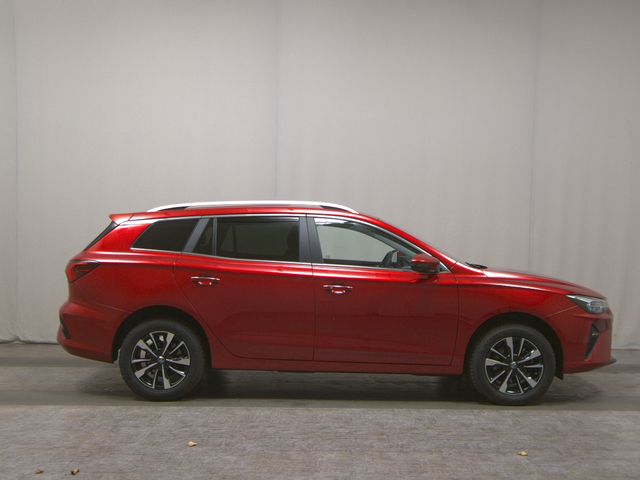
2024, electric, automatic, 29K km, Used condition, Europa, In stock, sale date 26.10.2026 11:00

CarOutlet.eu
 France
Auction starts · 26 Oct, 11:00
Current bid€19,900




















 France
 Germany, Lower SaxonyGermany, Lower Saxony
 Germany
If you are building a shortlist for an MG 5, the smartest move is to sort listings into three piles straight away: worth calling, worth visiting, and worth skipping. That sounds obvious, but with a model like the MG 5, where equipment, condition, seller effort, and how clearly the car is presented can matter more than a flashy price, this first filter saves a lot of time. A cheap listing with vague photos and almost no ownership detail may still tempt you, but in practice it often creates extra work, hidden compromises, or an awkward conversation that tells you very little.
A good MG 5 advert should answer basic buyer questions before you even reach for your phone. You want clear photos from multiple angles, a readable description, visible mileage, registration details where appropriate, and some mention of maintenance history or recent work. For a used MG 5, seller effort is not a small detail; it is part of the condition story. If somebody cannot be bothered to show the interior properly, explain the trim, or mention service paperwork, treat that as a signal rather than an inconvenience.
A listing deserves a call when the essentials are there but a few details still need clarifying. Maybe the photos are decent and the mileage looks plausible, yet the seller has not explained the service record or included enough interior shots. A listing deserves a visit when it already looks coherent: consistent photos, sensible description, no strange gaps in the story, and a specification that matches what you can actually see. A listing deserves to be skipped when it hides the basics behind phrases like “good condition for age” without evidence, uses low-effort photos, or avoids simple factual information that any serious seller should be able to provide.
One useful habit with MG 5 cars for sale is to compare the whole offer, not just the headline number. A lower price can reflect missing history, cosmetic neglect, unresolved warning lights, worn tires, poor-quality repairs, or simply a seller who wants a quick exit before deeper questions start. That does not automatically make the car bad, but it changes what kind of shortlist position it deserves.
This is where many buyers make the wrong cut. They treat the cheapest MG 5 as the lead candidate and only later discover why it was cheap. It is often more efficient to start with the listing that looks most transparent, even if it is not the least expensive. In the EU market, where buyers may be comparing new and used listings across borders, clarity becomes even more valuable. A clean paper trail, honest photos, and straightforward answers can matter more than a small initial saving, especially if travel, registration questions, or inspection logistics are involved.
When you contact a seller about an MG 5, avoid broad questions like “Is it in good condition?” They invite broad answers. Ask things that force useful detail. Has the car been serviced on schedule, and are there invoices or stamps to support that? Are there any warning lights currently on? Has the car had paintwork, body repairs, or replaced panels? Are both keys present? What tires are fitted, and do they match? If the listing mentions features or driver-assistance equipment, ask whether everything works as it should.
You are not only collecting facts; you are judging the seller. Good sellers usually answer directly, in the same order you asked, and do not become defensive when you request specifics. Weak sellers often drift into stories, change the subject, or repeat that the MG 5 “drives perfectly” instead of answering the actual question. That behavior alone can move a car from the visit list to the skip list.
One of the most useful signals is whether the seller describes the MG 5 as a car they know or simply a car they are trying to move on. Someone who can explain why certain maintenance was done, when the tires were changed, what kind of use the car had, and what small flaws to expect is usually giving you a better buying environment. Oddly enough, a seller who admits to a few imperfections can be more reassuring than one who insists the car is flawless. With many used cars, confidence comes from detail, not from enthusiasm.
That matters even more with a model that may not have dozens of comparable local examples in every part of the European market. When choice is limited, buyers can become too forgiving. They start excusing poor photos, weak paperwork, or incomplete answers simply because the MG 5 is available. Try not to do that. Scarcity should make you more disciplined, not less.
Once an MG 5 makes the viewing list, check whether the real car matches the advert in tone as well as content. Does the interior look consistent with the stated mileage? Do the panel gaps and paint finish look even? Do the tires, glass, lights, and trim suggest ordinary ownership or postponed maintenance? During a test drive, listen for noises the seller did not mention, check how the transmission behaves, and make sure the cabin electronics and key functions work normally. If the listing highlighted specific equipment, confirm it in person rather than assuming it is there.
Also pay attention to the small administrative layer around the car. Are the documents present and coherent? Does the service history look orderly or improvised? If there was recent maintenance, is there proof? With an MG 5, as with any model, a tidy file of ordinary ownership evidence can be more convincing than a polished sales pitch.
Some offers begin well and then fall apart under simple pressure. Perhaps the photos looked honest, but the seller suddenly cannot show service records. Perhaps the mileage sounded believable, but the wear inside the car tells a different story. Perhaps the advert presented the MG 5 as a carefully kept example, yet on arrival it is dirty, half-charged, warning-lit, or clearly unprepared for inspection. None of those details proves disaster on its own, but together they usually point to a car that was easier to advertise than to own.
If you are choosing between several MG 5 listings, the strongest candidate is usually not the one with the boldest wording. It is the one with the fewest unanswered questions. That is the right mindset for a practical shortlist. Call the cars with a credible story, visit the ones that stay consistent under questioning, and skip the offers that ask you to trust too much too early. A good MG 5 purchase is rarely about moving fastest; it is about filtering better than the next buyer.
 Add as preferred sourceSee more from zvelta in Google Search Add as preferred source