 EN
ENDEALER
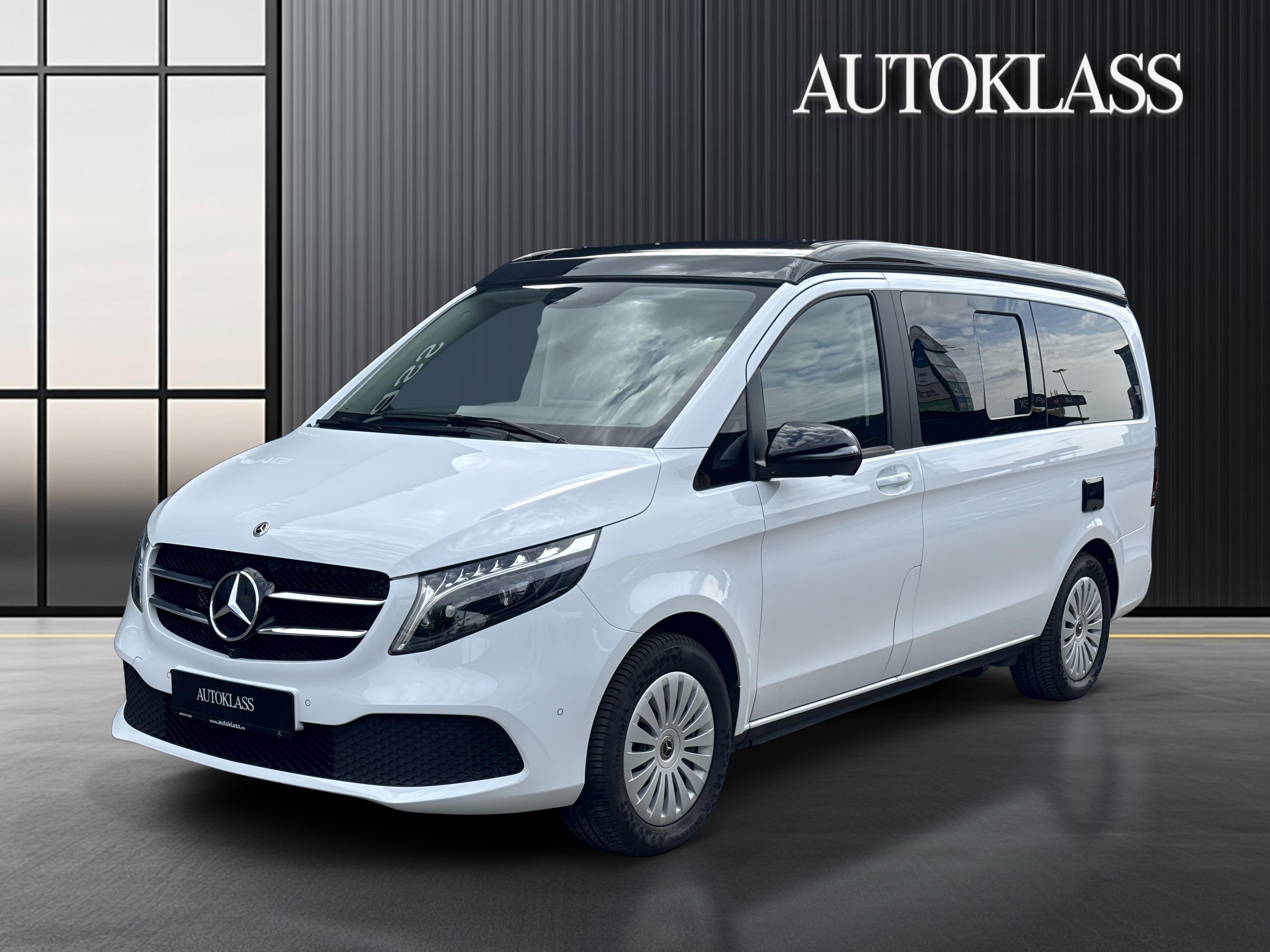
73.989 US$DEALER
2023, diesel, automatic, 29K km, All Wheels Drive, 1,950 cm3, 237 hp, white

AutoKlass.ro
 Pipera, Romania



















 Pipera, Romania
The first thing to accept with a Mercedes-Benz Marco Polo search in the EU market is simple: supply can be thin, the best-looking ad may be hundreds of kilometers away, and a polished photo set is not the same as a trustworthy offer. That matters more here than with an ordinary family car, because buyers often shop across borders, compare a few rare listings, and feel pressure to move fast when a clean-looking van appears. Slow down. With a Mercedes-Benz Marco Polo, the cost of chasing the wrong example is usually higher than the cost of missing one ad.
A good listing should help you understand not just the vehicle, but the ownership story. When a seller gives clear photos of the body, cabin, sleeping area, kitchen or storage modules, dashboard, service records, and registration documents, that is already useful. When the ad avoids detail and leans only on lifestyle language, treat it as a prompt to ask better questions, not as a sign that the Mercedes-Benz Marco Polo is special enough to overlook the basics.
People often begin with the fantasy: road trips, compact camping freedom, everyday practicality. Fine. But when comparing a Mercedes-Benz Marco Polo, start with the exact configuration in front of you. Is the listing clear about engine, transmission, drivetrain, seating layout, pop-top or interior equipment, and what is actually included with the vehicle? Camper-oriented models can look similar in photos while differing in details that affect real ownership.
This is where weak ads reveal themselves. If the seller cannot clearly describe the equipment, ask for a fresh walkaround video and close-ups of wear points, controls, upholstery, folded bed areas, and any camping hardware. You are not being difficult; you are checking whether the seller knows the vehicle well enough to sell it honestly. With a Mercedes-Benz Marco Polo, vague equipment descriptions can create false comparisons between listings that are not truly equivalent.
Before arranging a viewing, ask questions that force clarity without sounding accusatory. Why is the vehicle being sold now? How long has the current owner had it? Has it been used mostly for touring, daily driving, rental-style use, or long storage periods? Are there invoices or a service book to support maintenance history? Has any bodywork been repainted, and if so, why?
The way the seller answers often matters as much as the answer itself. A careful owner usually knows the recent maintenance story, can explain what works and what needs attention, and does not dodge simple documentation questions. A seller who keeps saying "everything is perfect" but cannot provide timestamps, records, or detailed photos is giving you a reason to be cautious. For a Mercedes-Benz Marco Polo, transparency is part of the value.
This model attracts aspirational selling. Some ads are styled almost like travel magazines: sunset shots, polished paint, attractive wheels, maybe one glamorous interior image. Nice, but not enough. A convincing Mercedes-Benz Marco Polo listing should also show the ordinary truth: seat wear, cargo area condition, switches, mileage display, panel gaps, and signs of real use.
There is a less obvious pattern in this part of the market: sellers know buyers may travel far, so some ads are built to create urgency before facts are fully checked. That does not automatically mean dishonesty. It does mean you should verify more before committing to a trip. Ask for a cold-start video, instrument cluster photos with the ignition on, and close-ups of any area that commonly gets skipped in lifestyle listings. If the response is defensive, that alone helps you rank the offer.
Mileage matters, but on a Mercedes-Benz Marco Polo it should sit next to usage quality, storage habits, maintenance consistency, and interior condition. A lower-mileage example with long idle periods, patchy servicing, or neglected living-space equipment may be less appealing than a higher-mileage one with complete records and obvious care.
Look closely at whether the listing suggests organized ownership. Are tires matched sensibly? Do wear patterns inside the cabin make sense for the stated use? Do the seats, table mechanisms, sleeping surfaces, and trim condition match the mileage and story? If a seller mentions recent work, ask what was done before that and what still needs attention. A strong offer usually survives precise questions. A weak one starts to blur.
Because the Mercedes-Benz Marco Polo may require looking beyond your home market, documents deserve early attention. Confirm registration status, VIN availability for checking, service documentation, and whether the seller can clearly explain ownership history. If import or export steps may be involved, ask for document photos before you book transport or flights. Administrative surprises are far less charming than the van in the photos.
This is one of those cases where buyer discipline beats enthusiasm. In the EU market, the right Mercedes-Benz Marco Polo is often the one with a believable paper trail, consistent condition, and a seller who answers directly, even if another listing looks slightly more glamorous online.
Go see a Mercedes-Benz Marco Polo when three things line up: the listing is specific, the seller is transparent, and the condition story feels internally consistent. If one of those is missing, keep comparing. On a rare model, patience can feel uncomfortable, but it is still cheaper than correcting a rushed decision.
Treat each ad as a package: vehicle, history, seller, and paperwork. That mindset makes the shortlist smaller very quickly, which is exactly what you want. A good Mercedes-Benz Marco Polo offer should earn your trip before you leave home, not after you arrive.
 Add as preferred sourceSee more from zvelta in Google Search Add as preferred source