 EN
ENDEALER

41.424 US$DEALER
2017, gasoline, automatic, 179K km, sedan, 5,461 cm3, 577 hp, 5,5 63AMG DESIGNO NZTOP PANO, Used condition, Europa, In stock

autoa1.cz
 Czech Republic, Olomoucký kraj






















 Czech Republic, Olomoucký kraj
 Rzeszów, Poland
 Romania, MaramureşRomania, MaramureşRomania, MaramureşRomania, MaramureşRomania, Maramureş
 Romania, Cluj
 Sânnicoară, Romania
 Romania, MureşRomania, MureşRomania, MureşRomania, Mureş
 RomaniaRomaniaRomaniaRomania
 RomaniaRomaniaRomaniaRomaniaRomaniaRomania
 Brânduşari, RomaniaBrânduşari, Romania
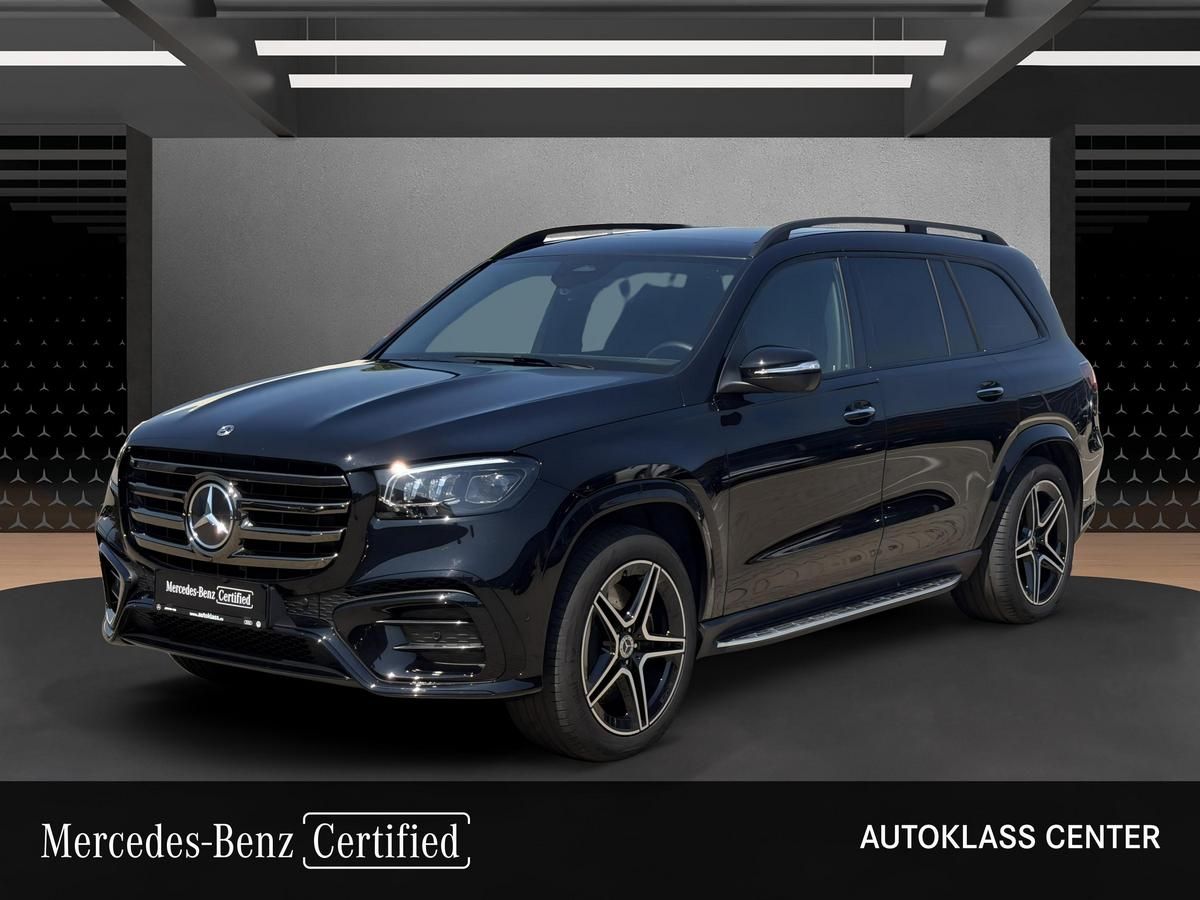
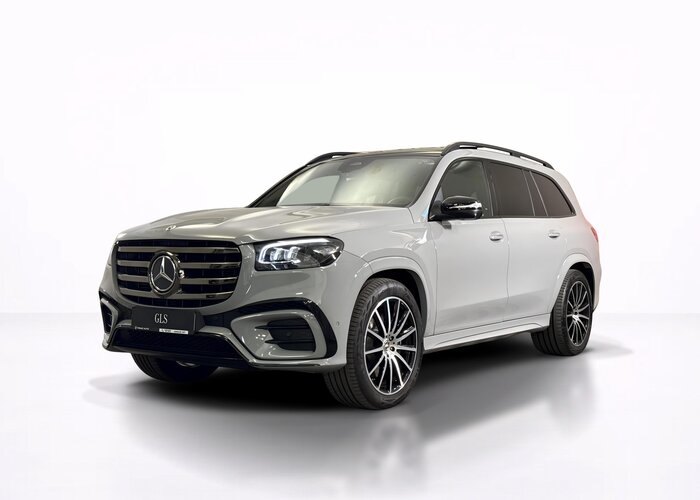
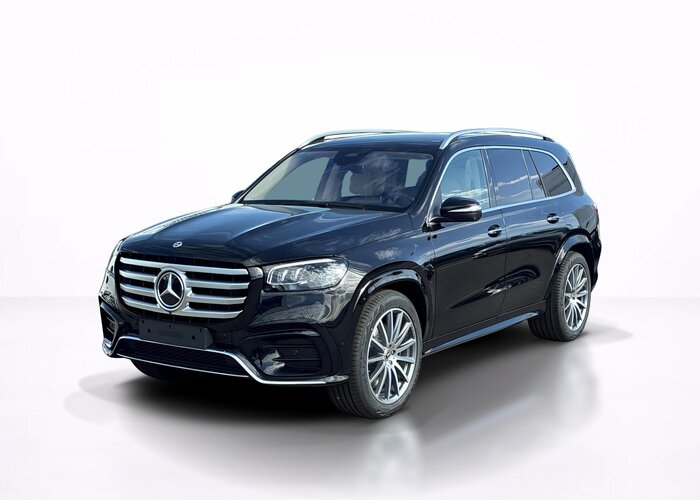
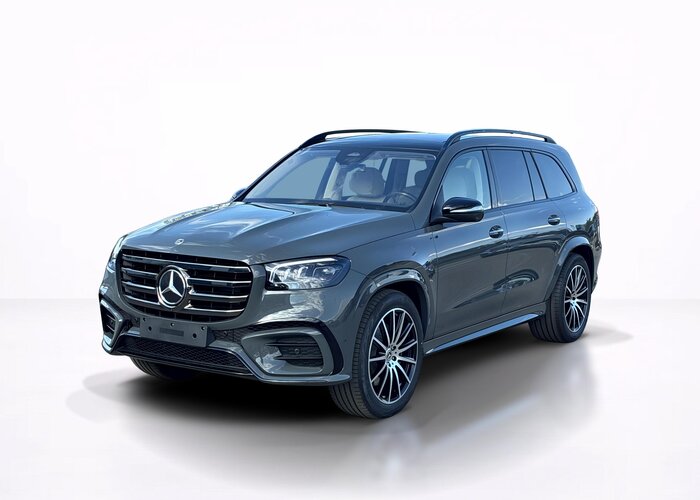
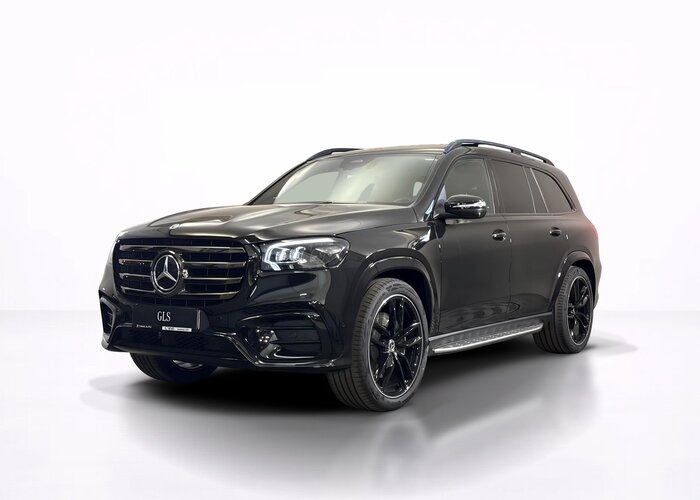
If you are shopping for a Mercedes-Benz GLS-klasse, the hardest part usually is not finding an ad. It is deciding which listings deserve your time. On the used market, this model often attracts buyers who want space, presence, and premium comfort in one package, so the photos can look convincing even when the details are thin. That is why the first useful move is to slow down and compare offers as if you were already narrowing to two or three specific cars, not just browsing attractive SUVs for sale.
A strong Mercedes-Benz GLS-klasse offer usually tells you how the car has been owned, not just how shiny it looks on a sunny day. Look for a complete set of basic information: clear mileage, service history references, engine and transmission details, ownership background if available, tire condition, and photos that show more than the front three-quarter angle. Cabin wear matters here more than sellers sometimes admit. A big luxury SUV can hide heavy use surprisingly well in edited photos, but steering wheel wear, seat bolsters, third-row condition, luggage area scuffs, and switchgear shine can tell a more honest story.
Weak listings tend to have a familiar pattern: a short description, glamorous pictures, vague claims about perfect condition, and no effort to explain maintenance. For a Mercedes-Benz GLS-klasse, that combination should make you pause. A seller does not need to write a novel, but if the ad avoids specifics on servicing, recent repairs, warning lights, suspension work, or what exactly is included, you may end up spending your weekend visiting a car that should have been ruled out from your phone.
Many buyers compare a newer Mercedes-Benz GLS-klasse against an older one and stop there. That can be too simple for this market. A slightly older example with coherent maintenance records, consistent mileage progression, and believable cosmetic condition can be the better buy than a newer one with patchy documentation and a strangely polished presentation. When you line up listings, build your own short comparison table: mileage, service proof, number of photos, visible tire brand and condition, interior wear, equipment you actually care about, and how transparent the seller is when asked follow-up questions.
This is also where patience pays off. The European market can show several Mercedes-Benz GLS-klasse cars that look broadly similar at first glance, yet the ownership story behind them may be very different. One ad feels complete and calm; another feels hurried and defensive. That tone is not everything, but it often predicts how the viewing will go. Sellers who can answer simple questions directly usually make inspections easier. Sellers who dodge easy questions before you visit rarely become more transparent once you arrive.
Before arranging a viewing, ask for practical specifics rather than broad reassurance. Has the Mercedes-Benz GLS-klasse been serviced on schedule, and are invoices or digital records available? Are there any current faults, intermittent warnings, or features that do not work as they should? Has the suspension had recent attention? What is the condition of the brakes and tires? Are there two keys? Has the car spent long periods unused? Can the seller send cold-start video, instrument cluster photos, and close-ups of the seats, cargo area, and lower body panels?
These questions do two jobs at once: they give you information, and they test the seller. A careful owner or professional seller with a solid car will usually respond in a structured way. A weak offer often collapses under very normal questions.
A less obvious point with the Mercedes-Benz GLS-klasse is that buyers sometimes judge it like a regular family SUV when they should judge it like a large premium vehicle with expensive standards to maintain. Big wheels, a tidy exterior, and an impressive badge can distract from the real ownership question: has this specific car been maintained to the level its complexity asks for? The right listing makes you feel that the seller understands the vehicle beyond cosmetics. The wrong one tries to sell atmosphere.
That matters even more when comparing offers across the wider eu market. A listing imported from another part of Europe is not automatically a problem, and a local-looking offer is not automatically safer. What matters is whether the paper trail, servicing story, and visible condition line up. If the ad language is vague about origin, documentation, or recent work, ask for clarity before you invest time. The best Mercedes-Benz GLS-klasse listings usually make verification easier, not harder.
At the viewing, spend your first minutes matching the real car to the ad, not falling in love with the spec. Check panel consistency, glass, lights, wheel condition, tire wear pattern, and the state of door edges and luggage loading surfaces. Inside, test the things buyers forget because the cabin feels impressive at first sit: seat adjustments, infotainment functions, climate operation, folding seats, parking aids, cameras if fitted, and every warning message on startup. During the drive, listen for how the car settles over broken surfaces, how the transmission behaves at low speed, and whether the steering and braking feel consistent rather than dramatic.
With a Mercedes-Benz GLS-klasse, small mismatches matter. An ad that says immaculate condition but shows tired trim, overdue tires, or unexplained dashboard messages is telling you more than the seller’s wording. Premium used cars are often won or lost on these details.
Walk away if the story keeps changing: mileage explanation becomes fuzzy, service records cannot be shown, the seller suddenly minimizes visible faults, or you are pushed to decide before you have checked the basics. There is nothing clever about forcing a deal on a complex used SUV because the photos were good.
It also helps to compare the Mercedes-Benz GLS-klasse with your real alternatives, not imaginary perfection. Ask yourself whether you need the full size, seating flexibility, and road presence this model offers, or whether you are paying extra in complexity for features you will rarely use. That question sharpens your search. If the answer is still yes, then the right move is simple: ignore the loudest listing, back the clearest one, and buy the Mercedes-Benz GLS-klasse whose history feels easiest to trust.
 Add as preferred sourceSee more from zvelta in Google Search Add as preferred source