EN
ENDEALER

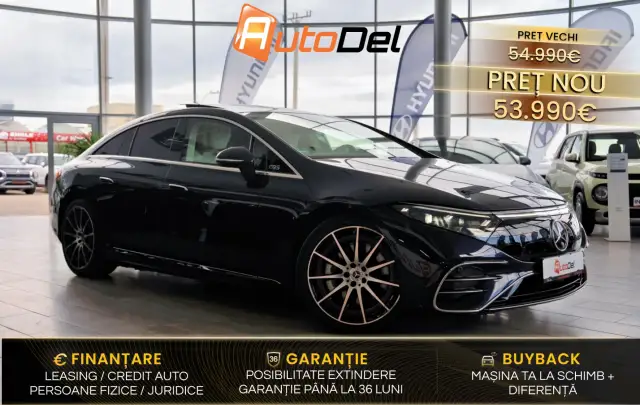
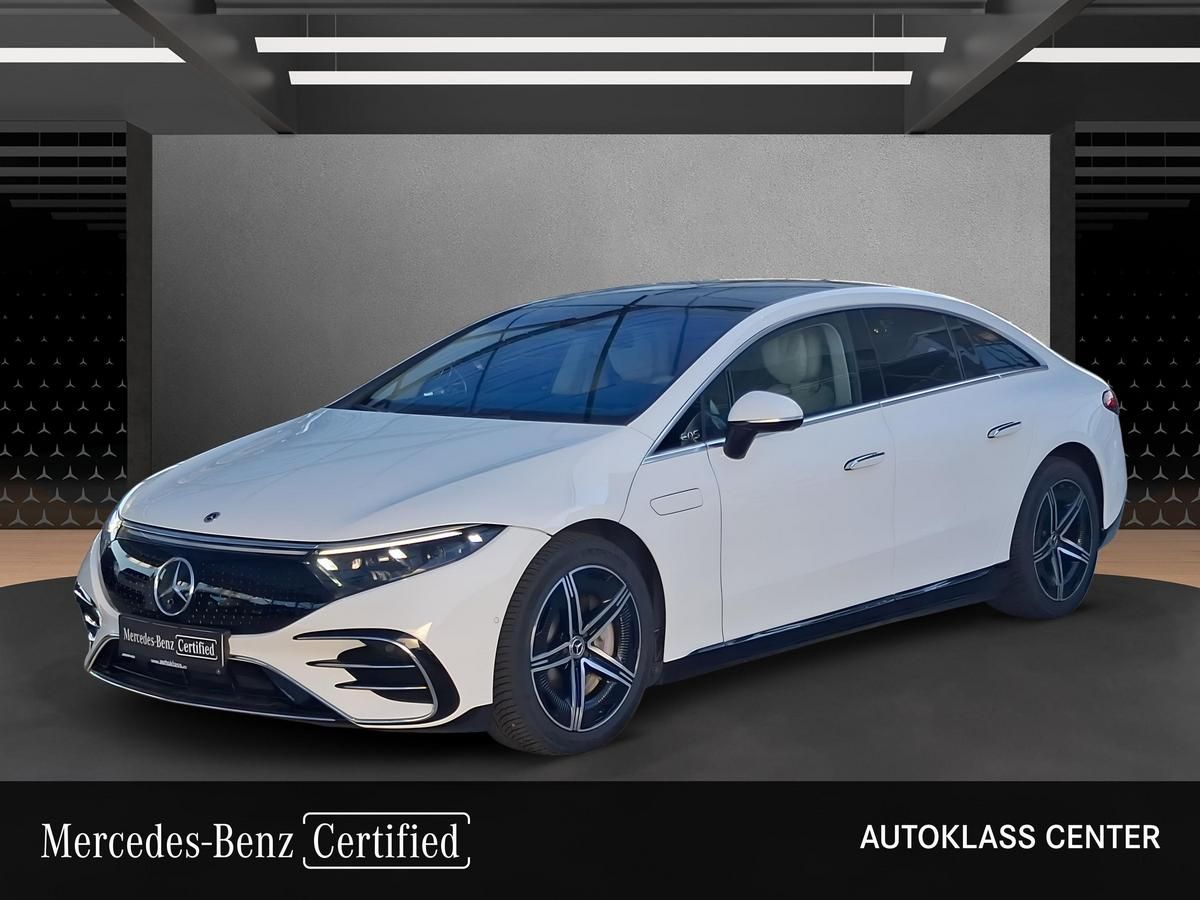
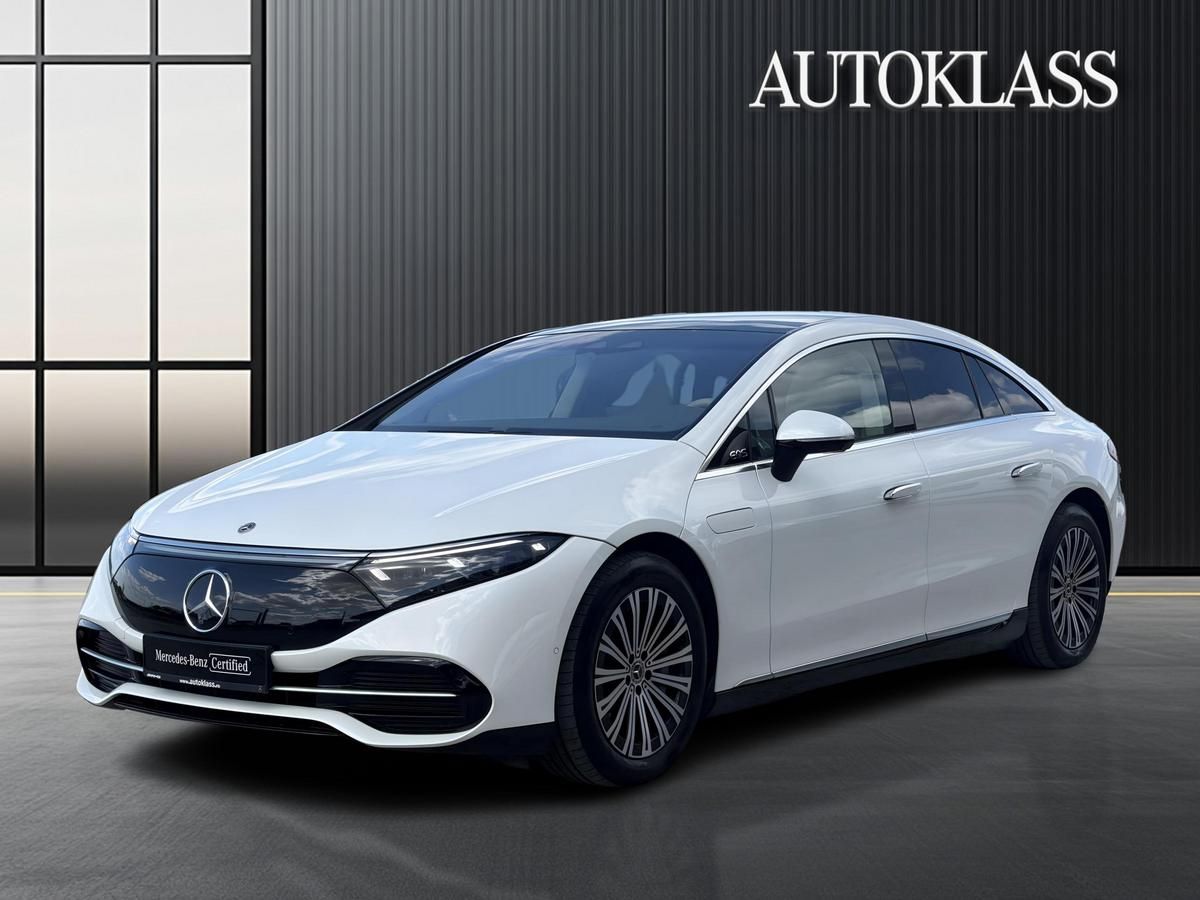
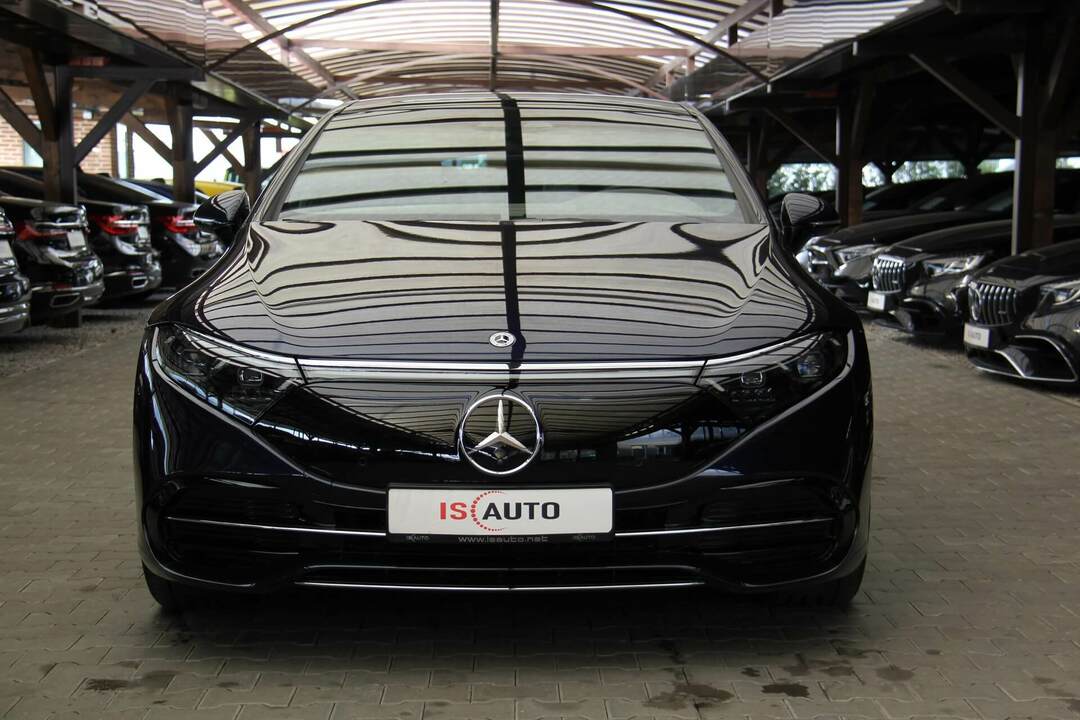
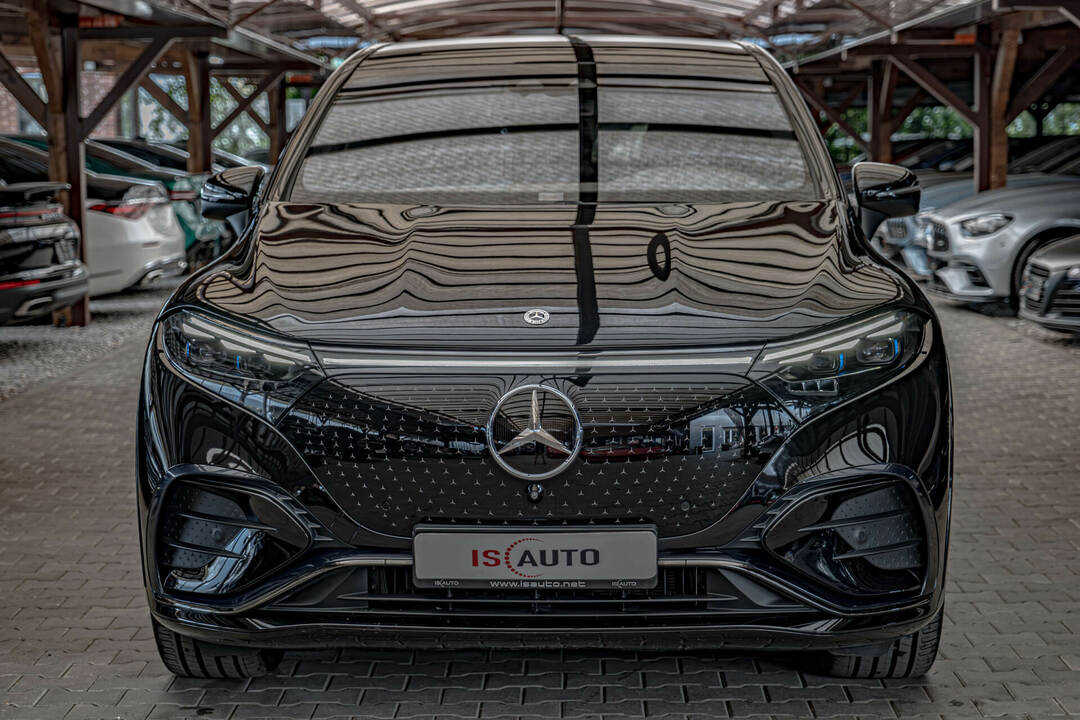
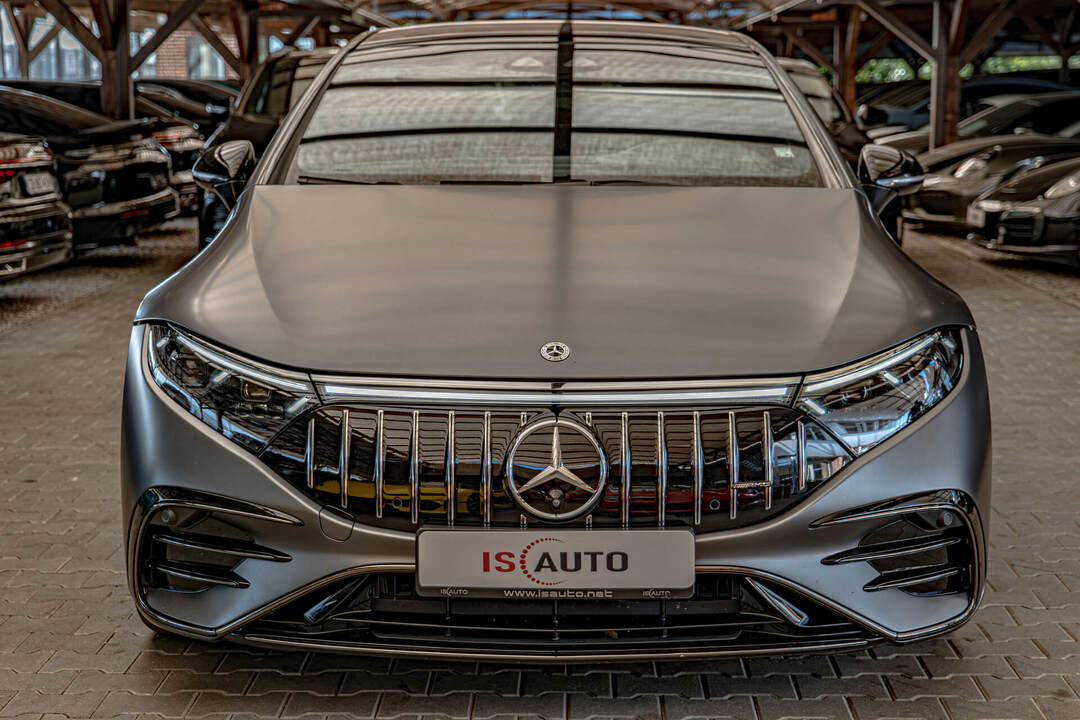
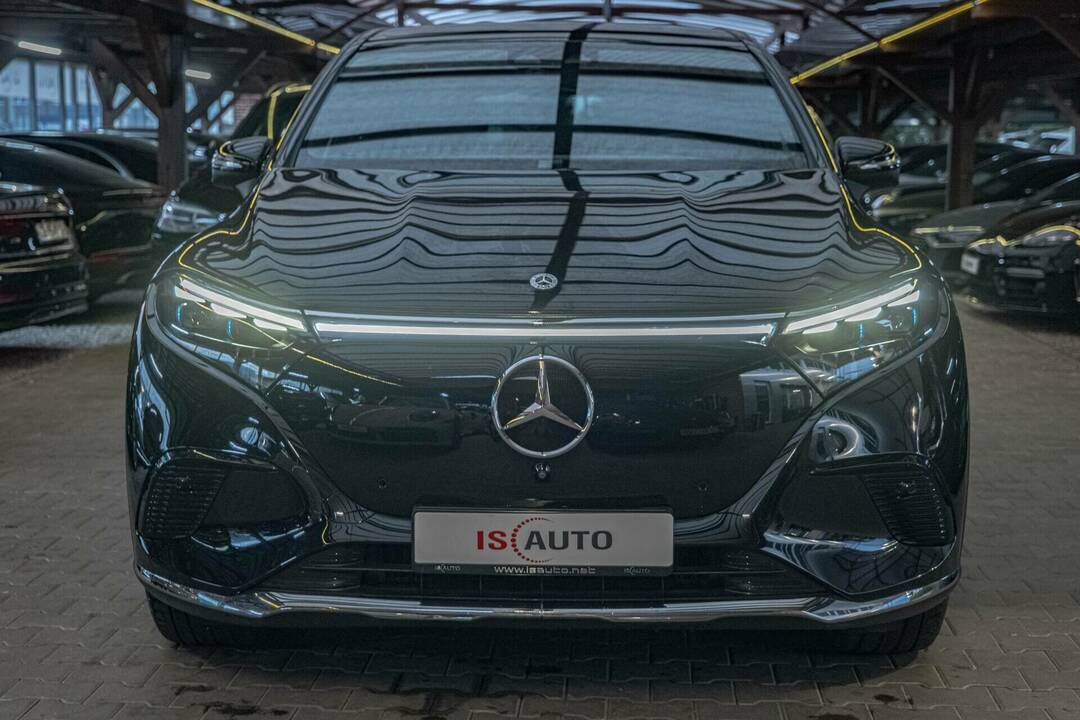
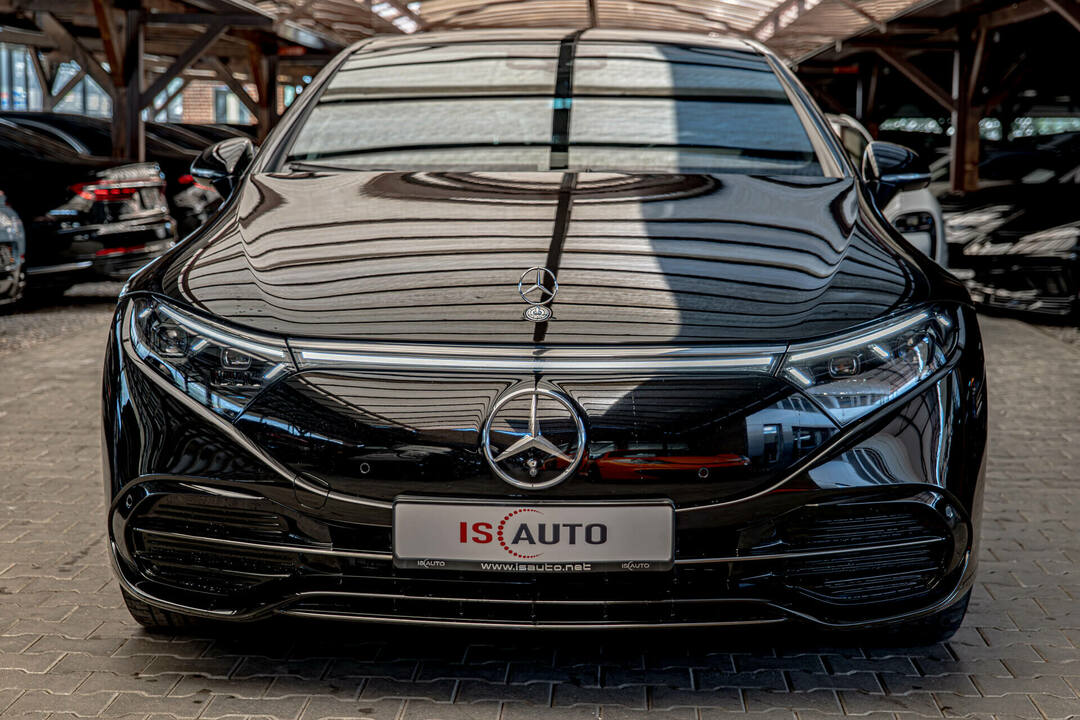
2022, automatic, 185K km, sedan, 333 hp, 450 Luxury Line, Used condition, In stock, sale date 20.10.2026 04:45

CarOutlet.eu
 Belgium
Auction starts
20 Oct, 04:45






















 BelgiumNetherlandsNetherlandsGermany
 Romania, Suceava
 Ploeştiori Eforie, RomaniaTomis Nord, Romania
 Bulgaria, VarnaBulgaria, VarnaBulgaria, VarnaBulgaria, VarnaBulgaria, Varna
The smart way to shop for a Mercedes-Benz EQS is not to start with the cheapest ad. Start by asking which listing deserves a call, which one deserves a visit, and which one should be ignored even if the photos look polished. On a model like the EQS, that order matters because a premium electric car can look impressive in almost any listing, while the real difference between a strong and weak offer usually hides in the details: battery-related transparency, charging history, equipment clarity, software updates, cosmetic honesty, and how confidently the seller answers basic ownership questions.
When you compare Mercedes-Benz EQS cars for sale, put each listing into one of three groups before you get emotionally attached. A call-worthy ad is complete enough to justify five minutes of your time. It should show clear exterior and interior photos, name the version properly, describe mileage and ownership background in a believable way, and mention service or maintenance history without sounding vague. A visit-worthy ad goes further: it gives enough confidence that the seller actually knows the car and is not relying on the badge alone. If a listing is light on details, avoids close photos, or uses generic phrases instead of specifics, it may still be real, but it should not go to the top of your shortlist.
The Mercedes-Benz EQS attracts a certain kind of optimistic listing style in the EU market: glossy images, a premium tone, and surprisingly little explanation. That is exactly why discipline helps. A beautiful electric flagship with sparse information is not automatically a strong offer. Sometimes it simply means the seller expects the name to do the work. Your job is to make the listing earn your attention.
Before calling, compare the basics side by side. Check whether the mileage fits the overall wear you can see in the cabin, on the seats, steering wheel, charging-port area, and wheels. Look at panel alignment and paint reflections in daylight photos if available. On the Mercedes-Benz EQS, wheel damage, bumper scuffs, and inconsistent tire brands can say more about day-to-day care than a long paragraph ever will.
Then read for signs of real ownership. Does the seller mention how the car was charged most of the time, where it was serviced, whether there are invoices or digital records, and whether any warranty or battery-related coverage still applies? You do not need perfect answers at the ad stage, but you do need signs that the seller understands the car beyond its luxury image. If the listing names options and comfort features clearly rather than vaguely saying "full extras," that is another good signal.
A useful call can be short. Ask for the VIN if appropriate, ask whether the car has had paintwork or accident repair, ask whether all keys are present, and ask what the next owner should budget for immediately after purchase. Good sellers usually answer directly. Weak sellers often circle around simple questions, promise to "check later," or push for a quick meeting before giving basic information.
With used Mercedes-Benz EQS listings, a tempting price can create tunnel vision. Resist that. A cheaper car may still be the best buy, but only if the reason for the lower price is understandable and acceptable to you. Maybe the mileage is higher, maybe the specification is simpler, or maybe there is visible cosmetic wear. Those can be manageable compromises. What should worry you more is unexplained value loss: poor photo coverage, confused equipment description, missing service history, inconsistent statements between the ad and the call, or a seller who cannot clearly explain prior use.
This model also invites a common buyer mistake: over-focusing on the screen-heavy cabin and under-checking ownership evidence. The Mercedes-Benz EQS can impress in ten seconds from the dashboard alone. That is exactly why calm buyers often do better here than excited ones. If two cars look equally luxurious in photos, the better one is usually the ad with cleaner documentation, sharper specification details, and a seller who sounds organized rather than rehearsed.
A Mercedes-Benz EQS deserves a visit when the listing has already passed the credibility test. At that point, your in-person inspection should focus on consistency. Does the condition match the mileage? Does the interior feel carefully used or quickly prepared for sale? Are there charging cables, manuals, both keys, and service records present without drama? Does the seller willingly walk through ownership history, or do answers become shorter when you ask about repairs, warnings, software behavior, or previous damage?
During the viewing, pay attention not just to faults but to confidence. Premium EV buyers often chase perfection and forget that honesty is more valuable than cosmetic theater. A seller who openly points out a scratch, wheel mark, or replaced part may be safer than one who insists the car is flawless. On a Mercedes-Benz EQS, transparent imperfections can be easier to accept than uncertainty around maintenance, history, or unresolved issues.
If you can test the car, watch for ordinary but revealing things: warning messages at startup, charging-port condition, smooth operation of major comfort features, climate system behavior, camera clarity, and whether menus and controls work as expected. You are not trying to prove the car is perfect. You are checking whether the offer feels coherent.
In a thinner market, which can happen with the Mercedes-Benz EQS in the EU, buyers sometimes become too forgiving because there are not many listings. That is understandable, but it can lead to chasing the wrong car simply because it is available. A small pool should make you more selective, not less. When there are only a few offers to compare, every missing detail matters more.
A good shortlist for the Mercedes-Benz EQS is simple. One listing deserves a call because it is complete and credible. One deserves a visit because the seller answers clearly and the history sounds traceable. Another should be skipped because the price tries to distract from too many unanswered questions. If you keep that structure in mind, you are less likely to waste time on weak offers and more likely to notice the listing that is quietly better than it first appears.
That is the right mindset for this page: not chasing the most glamorous Mercedes-Benz EQS, but finding the one whose condition, documentation, and seller behavior line up. When those three things agree, the rest of the decision usually becomes much easier.
 Add as preferred sourceSee more from zvelta in Google Search Add as preferred source