 EN
ENDEALER

33.759 US$DEALER
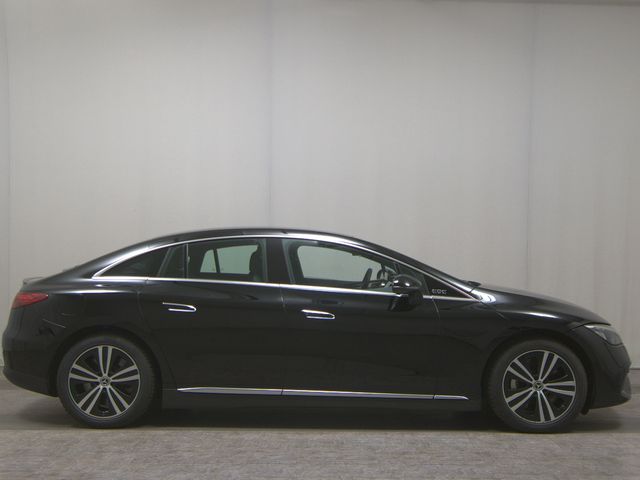
2022, automatic, 80K km, sedan, 292 hp, 350 AMG Line 215kW/292pk 4D/P Auto-1 - WLTP onvolledig, Used condition, In stock, sale date 19.10.2026 07:45

CarOutlet.eu
 Belgium
Auction starts
19 Oct, 07:45






















 BelgiumBelgiumBelgiumBelgiumBelgiumBelgiumBelgiumBelgiumBelgiumBelgiumBelgiumNetherlandsNetherlandsSwedenDenmarkFrance
 Germany, Lower SaxonyGermanyGermanyGermanyGermanyGermanyGermanyAustria
 Italy
ItalyA good-looking Mercedes-Benz EQE listing can be a trap if you treat this as a simple one-click buy. In the European market, supply can be thin, cars may be far apart, and the nicest photos do not always come with the clearest ownership story. When only a limited number of Mercedes-Benz EQE cars for sale are available, buyers tend to relax their standards too early. That is exactly when mistakes happen: vague service records, missing charging details, unclear equipment, or sellers who sound confident but answer little.
If you are comparing Mercedes-Benz EQE offers across Europe, start by accepting that the first attractive car may not be the right one. Distance between sellers matters, and so does the effort required to verify a car before you travel. A serious listing should help you understand the car without a long guessing game: ownership history, mileage, service documentation, battery-related paperwork if available, clear photos of the exterior and interior, and a realistic description of condition rather than empty praise.
On a model like the Mercedes-Benz EQE, weak listings often hide behind premium branding. Sellers know the badge does some of the work. That means your job is to compare substance, not just presentation. Look closely at how complete the ad is. Does the seller show the charging cable setup, wheel condition, seat wear, screen condition, and trunk area? Do they mention recent maintenance, software updates if relevant, or any replaced parts? Even when a seller is not a technical expert, a transparent listing usually feels concrete.
A useful comparison trick is to group listings by what actually affects ownership, not by photo order. Put mileage, documented maintenance, number of previous owners if stated, equipment level, and seller clarity side by side. The cheapest Mercedes-Benz EQE may stop being cheap once you notice missing history, transport costs, cosmetic work, or unanswered questions about charging habits and downtime. A slightly more expensive offer with better documentation can easily be the safer buy.
Before arranging a viewing, send a short set of questions and judge both the answers and the speed of reply. Ask how long the seller has owned the Mercedes-Benz EQE, why it is being sold, where it was serviced, whether there are invoices or digital records, and whether any warning lights, charging issues, accident repairs, or cosmetic defects should be disclosed before you travel. If the car has been imported within Europe, ask when and from where, and whether all registration papers are ready for the next buyer.
This is also where many buyers miss a subtle but important signal: the seller who answers plainly is often a better prospect than the seller who tries to sound impressive. With the Mercedes-Benz EQE, polished language can hide a thin file. A calm answer like “rear tire replaced, one wheel scuff, service record available, AC works normally, two keys included” is worth more than a paragraph full of marketing words.
The Mercedes-Benz EQE tends to attract listings that look modern and tidy in pictures, so train yourself to inspect what the camera avoids. Look for uneven panel reflections, suspiciously dark interior photos, cropped bumpers, close-ups that skip the lower bodywork, and images taken after rain or in low light. None of these automatically mean a bad car, but together they can suggest a seller who is controlling the story.
Interior wear matters more than many buyers admit. On a Mercedes-Benz EQE, steering wheel condition, seat bolsters, switchgear, charging-port area, and screen surfaces can tell you whether the listed mileage feels believable. If the car claims careful ownership but the details show rough use, ask harder questions. You are not looking for perfection; you are looking for consistency between mileage, condition, and seller narrative.
The interesting thing about the Mercedes-Benz EQE in Europe is that buyers often shop it emotionally at first and rationally only later. They see the design, the cabin tech, the prestige of the badge, and then start excusing weak paperwork or fuzzy history because the car feels special. That is backwards. This is a car where your ownership experience may depend less on the showroom impression and more on how cleanly the car was documented, updated, maintained, and represented by the seller.
Another useful observation: when supply is not huge, some buyers compare the Mercedes-Benz EQE only against other EQE listings. That is too narrow. You should also compare each offer against the standard of the broader premium EV market. If one seller gives excellent records, detailed photos, honest defect notes, and flexible inspection terms, that sets the bar. A premium badge does not excuse a lazy ad.
Go see the car when the listing and conversation line up. The mileage should make sense for the condition, the documents should sound traceable, and the seller should be comfortable with practical checks. If possible, confirm what comes with the car before the trip: keys, charging accessories, registration documents, service history, and any inspection reports. Ask whether the car can be viewed with enough charge for a proper drive.
During the viewing, focus on real-buyer basics: how the car starts and drives, whether the cabin electronics behave normally, whether there are warning messages, whether the suspension and brakes feel settled, and whether panel gaps, tires, glass, and interior wear match the story you were told. If something feels vague, rushed, or defensive, walk away. With a Mercedes-Benz EQE, patience usually beats impulse. The right listing is not just the one that looks expensive and clean. It is the one that stays convincing when you stop admiring it and start buying it.
 Add as preferred sourceSee more from zvelta in Google Search Add as preferred source