 EN
ENDEALER

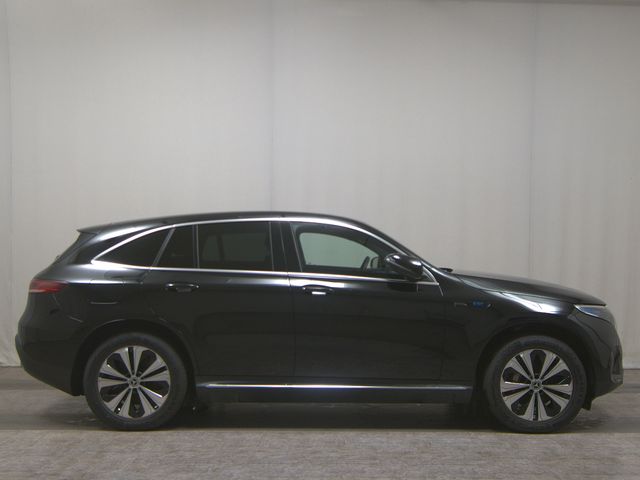
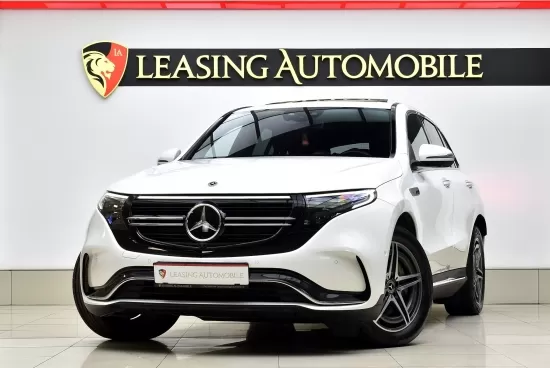
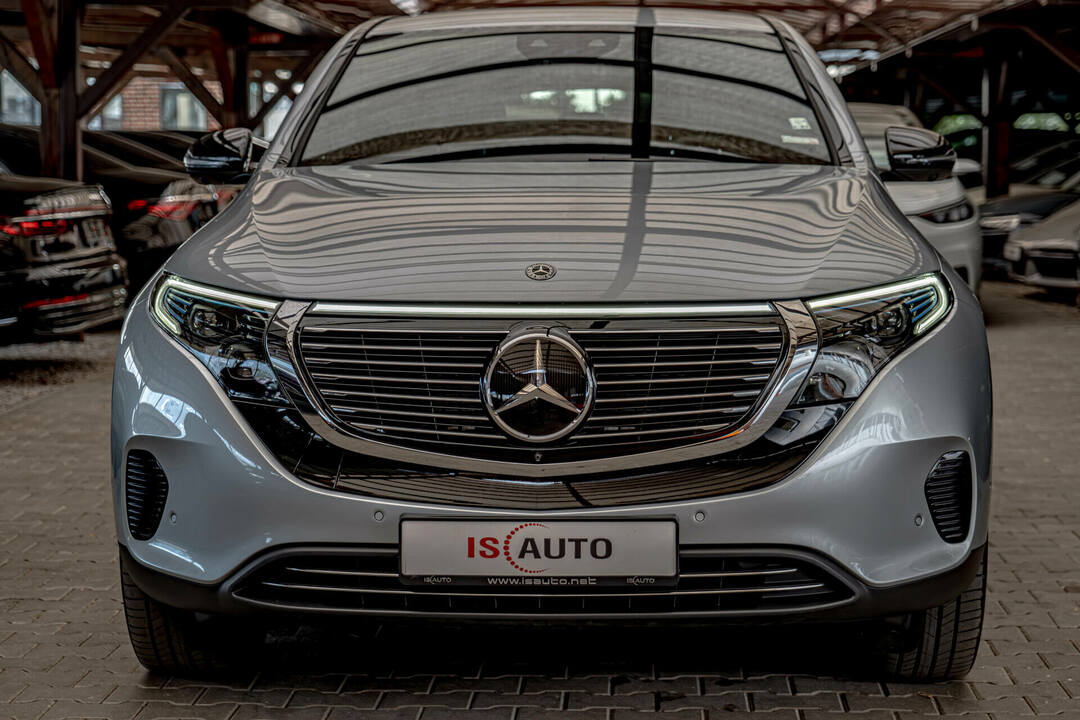
2022, electric, automatic, 68K km, SUV, 408 hp, BEV 80KWH 400 4M BUSINESS SOLUTION, Used condition, In stock, sale date 22.10.2026 03:15

CarOutlet.eu
 Belgium
Auction starts
22 Oct, 03:15






















 BelgiumBelgiumBelgiumBelgiumBelgiumBelgiumBelgiumBelgiumBelgiumBelgiumNetherlandsNetherlandsNetherlands
 Germany, Lower SaxonyGermanyGermanyGermanyGermanyGermanyGermany
 Romania
 Bulgaria, Varna
If you are shopping for a Mercedes-Benz EQC, the smart move is not to treat it like just another premium SUV listing. When a model appears less often in your search, every ad matters more: you compare harder, verify more patiently, and avoid talking yourself into a mediocre car just because there are not many alternatives visible today. For the Mercedes-Benz EQC in the EU market, that mindset can save you from overpaying for a vague listing or travelling to see a car that was never strong enough to begin with.
A small pool of Mercedes-Benz EQC cars for sale changes how you should buy. With a common model, you can skip weak ads and wait for the next similar one. With a narrower search, buyers often start excusing poor photos, thin descriptions, missing service information, or a seller who cannot clearly explain ownership history. That is where mistakes begin. If an EQC listing already feels incomplete on screen, it rarely becomes more convincing in person.
Before contacting the seller, compare the basics line by line: registration history, mileage, service records, charging accessories included, tire condition, visible bodywork consistency, and interior wear relative to the stated use. On an electric model like the Mercedes-Benz EQC, the quality of the ad itself tells you a lot. A careful seller usually knows what buyers will ask and shows the car accordingly. A lazy listing may still hide a decent car, but the burden of proof becomes yours.
Start with the listing that explains ownership and maintenance in plain language. You want to see more than polished exterior photos. Useful ads show the charging cable setup, dashboard screens, seats, cargo area, wheel condition, and any cosmetic imperfections instead of pretending the car is flawless. If the seller mentions battery-related checks, software updates, dealer visits, or regular documented maintenance, that is not a guarantee of quality, but it is a much better starting point than generic phrases.
A strong Mercedes-Benz EQC offer also reads consistently. If the mileage is low but the steering wheel, driver’s seat bolsters, and loading lip show heavier wear, ask why. If the equipment list sounds generous, verify it from photos instead of assuming every claimed feature is actually present. In used premium EV listings, confusion around trim and options is common enough that it should never be waved through.
One less obvious point: with cars like the Mercedes-Benz EQC, buyers often become overly focused on the badge and under-focused on the ownership pattern. Yet the ownership pattern is usually the more useful clue. Was the car privately owned and carefully documented? Was it part of a fleet? Has it changed hands quickly? Has the seller actually lived with the car long enough to describe charging habits, winter use, and everyday range expectations in realistic terms? Those answers often tell you more than a glamorous photo set.
Do not open with “Is it still available?” Open with questions that force a real answer. Ask whether the Mercedes-Benz EQC has a full service history and whether the seller can send photos of the records before the visit. Ask what charging cables and accessories come with the car. Ask whether any body panels have been repainted, whether there are warning lights, and whether the car has had recent software or dealer work.
Then ask a question many weak sellers dislike: “What would I notice first in person that is not obvious in the photos?” A serious seller usually gives a direct answer, maybe a wheel mark, a scratch, or some stone chipping. A vague seller often replies with something like “normal for age” while avoiding specifics. That is a useful signal.
If you are comparing listings across the EU, clarify documents early. Ask where the car is registered now, whether VAT status or import paperwork may matter for your purchase path, and whether the seller can provide the VIN in advance for checks. You do not need to assume a problem; you just do not want surprises after arranging transport or travel.
Some Mercedes-Benz EQC ads look expensive in time before they look expensive in money. Watch for stock phrases with almost no substance, heavily edited photos, no mention of charging equipment, or a description that could fit any luxury SUV. Be careful with sellers who dodge simple timeline questions: when they bought it, why they are selling, where it was serviced, or how long the current listing has been active.
Another useful clue is photo choice. If an ad shows dramatic night shots but no close-ups of wheels, seat wear, screens, and panel gaps, the seller may be selling the idea of the car rather than the actual condition. That matters more when searching for a Mercedes-Benz EQC because buyers may feel pressure to compromise once they realize there are not endless similar offers waiting tomorrow.
That is the real buying question. The Mercedes-Benz EQC can sit in a tempting spot for buyers who want a premium electric SUV with familiar brand appeal, but that does not mean every available example deserves a viewing. Compare each car against a simple standard: clear history, believable mileage, consistent condition, enough photos, complete seller answers, and no awkward gaps around documents or maintenance. If one listing cannot clear that bar, scarcity is not a reason to lower it.
A good EQC search in Europe is often about patience more than speed. Save the strongest offers, revisit them after a day, and see which one still reads honestly when the first excitement fades. The best Mercedes-Benz EQC listing is usually the one that makes the fewest excuses for itself. That is the car worth calling about, inspecting properly, and maybe travelling to see.
 Add as preferred sourceSee more from zvelta in Google Search Add as preferred source