 EN
ENDEALER

44.337 US$DEALER
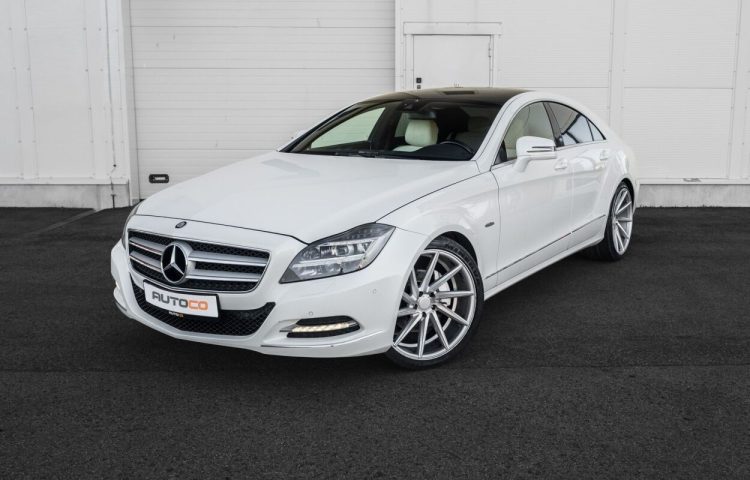
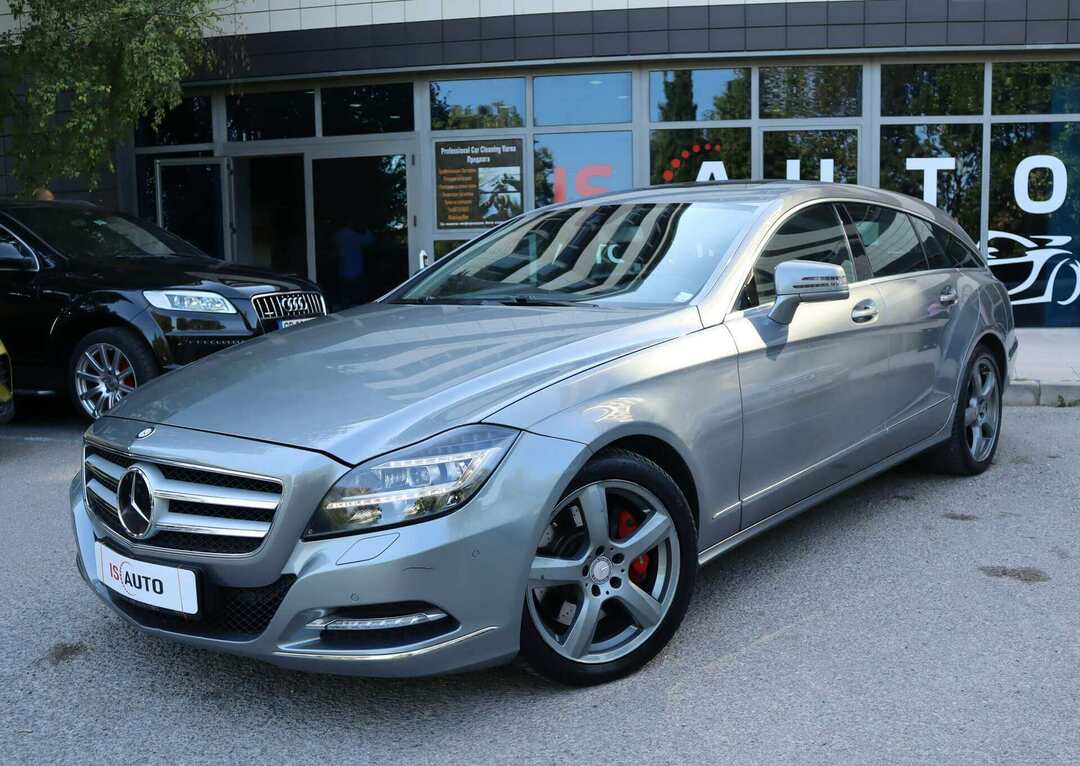
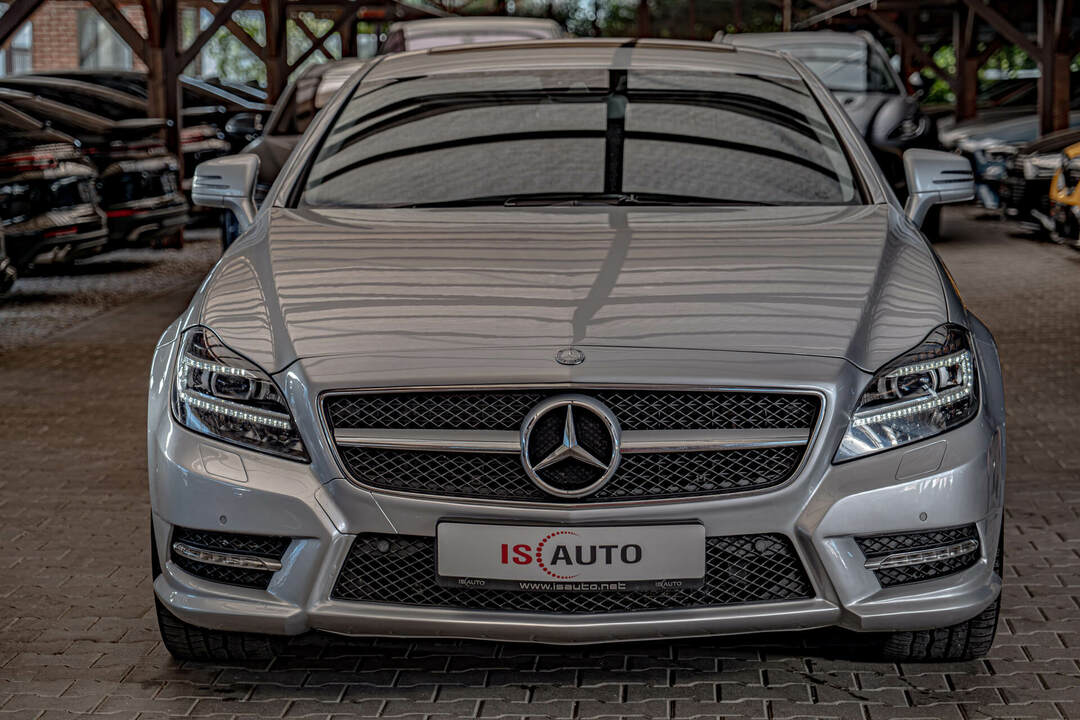
2023, diesel, automatic, 68K km, sedan, 1,993 cm3, 265 hp, CLS 300 d 4Matic 9G-TRONIC AMG Line, Used condition, In stock

CarOutlet.eu
 Germany





















 GermanyEstonia, Harjumaa
 Czech Republic, Olomoucký krajCzech Republic, Olomoucký krajCzech Republic, Olomoucký kraj
 Poland
 Romania, Cluj
 Romania, Cluj
 Romania, SuceavaRomania, Suceava
 RomaniaRomaniaRomania, București
 Romania
 Romania, Vrancea
 Bulgaria, VarnaBulgaria, VarnaBulgaria, VarnaBulgaria, Varna
A good Mercedes-Benz CLS-klasse listing should make you imagine daily life with the car, not just admire the photos for ten seconds. This model often attracts buyers who want the shape and atmosphere of something more special than a regular executive car, so the weak ads stand out quickly: vague equipment details, glamorous angles that hide wear, and almost no explanation of ownership or maintenance. With only a small number of used Mercedes-Benz CLS-klasse offers across the EU market, it pays to be selective early.
The Mercedes-Benz CLS-klasse is one of those cars people often shop with their emotions first. That is not a mistake, but it can become expensive if you stop there. The right listing usually feels calm and complete: clear mileage, readable photos of the cabin and driver controls, some evidence of service history, and a seller who explains how the car has been used. A better ad might mention long-distance driving, recent maintenance, tire condition, or why the car is being sold. A weaker one leans on words like “full option” or “perfect” without showing the details that make a premium car believable.
When comparing used Mercedes-Benz CLS-klasse cars for sale, try to picture your first three months with the car. Will it be a weekend statement piece, a daily commuter, or a cross-border motorway car? That matters because ownership comfort is not only about style. You are really judging whether this specific car has been kept to a standard that matches the image it projects. A beautiful exterior with a tired interior, missing service explanations, or inconsistent wear around the seats and steering wheel should slow you down.
Before you contact the seller, compare the basics line by line. Check how complete the listing is on condition, mileage, registration details, visible damage, equipment, and maintenance history. If two Mercedes-Benz CLS-klasse listings look similar at first glance, the better offer is often the one with less mystery around ownership. Look for signs that the seller understands the car rather than simply wants it gone.
Useful questions are simple and direct:
That last point matters more than many buyers expect. With cars in this class, trust often grows from small signs of careful ownership. Two keys, a tidy folder of receipts, matching tires, and honest close-up photos can tell you more than polished sales language.
One of the best ways to judge a Mercedes-Benz CLS-klasse remotely is to study the interior like an owner would. The cabin should not just look luxurious in dim photography; it should look used in a consistent, believable way. Heavy wear on the driver seat bolster, shiny switchgear, sagging trim, or missing pixels and buttons may not be deal-breakers on their own, but they help you understand how the car has been treated. If the mileage seems modest yet the cabin looks much more tired, ask the seller to explain.
This is also where the ownership angle becomes practical. Life with a Mercedes-Benz CLS-klasse can feel special even on ordinary trips, but only if the little things work properly. Ask whether the infotainment, seat adjustments, climate controls, windows, parking aids, and lighting all operate normally. Premium cars are often judged on engine and gearbox alone, but ownership satisfaction is usually shaped by dozens of smaller functions you will use every day.
In the EU market, a strong Mercedes-Benz CLS-klasse offer often comes from a seller who is specific without sounding defensive. If every answer is short, evasive, or oddly dramatic, keep your distance. Good sellers usually do not mind sending extra photos of common wear areas, the instrument cluster, service records, tire tread, or a cold-start video. Reluctance here is not automatic proof of a bad car, but it is often a reason to move that listing lower on your shortlist.
A less obvious point: with style-led cars like the Mercedes-Benz CLS-klasse, some listings are built to trigger fast emotional contact rather than careful comparison. That is why you should compare how the ad is written, not only what the car looks like. If the text spends all its energy on design, status, or rarity but gives very little ownership substance, treat it as presentation first and evidence second.
Even if you already want a Mercedes-Benz CLS-klasse, compare it mentally with more conventional executive models and with other premium four-door coupes in the same general space. Not because you must change your mind, but because alternatives help reveal whether a listing is genuinely strong. If a seller asks premium money, the car should justify that with condition, history, completeness, and a convincing ownership trail. If it cannot, a more straightforward alternative may offer less drama and better transparency.
That is the real trick with Mercedes-Benz CLS-klasse shopping: do not reward atmosphere alone. Reward the offer that makes living with the car easier to trust. The best listing is usually not the one with the most seductive photos; it is the one that answers your doubts before you even ask, then responds clearly when you do. In a small pool of new and used listings, that discipline helps you avoid weak offers and focus on the cars that still feel special after the excitement settles.
 Add as preferred sourceSee more from zvelta in Google Search Add as preferred source