 EN
ENDEALER

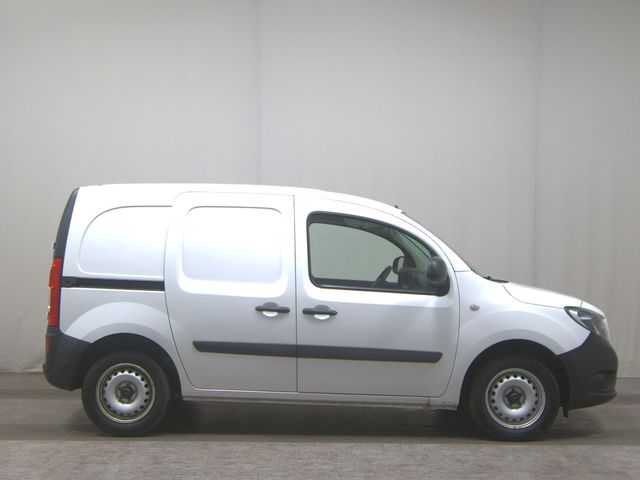
2023, 91K km, 1,461 cm3, 75 hp, 108 base l1 1.5cdi 75pk/cv manual diesel, Used condition, In stock, sale date 27.10.2026 06:00

CarOutlet.eu
 Belgium
Auction starts · 27 Oct, 06:00
Current bid€5,300






















 BelgiumNetherlandsFranceFranceFranceFranceFranceFranceFranceFranceFranceFranceFranceFranceFranceFranceFranceFranceFranceFrance
 Germany, Lower SaxonyGermanyGermany
 Czech Republic, Olomoucký kraj
 Romania, Bihor County
If you are looking at a Mercedes-Benz Citan, the smart question is not simply “is this a good van?” but whether this particular Citan matches the way you will use it. That matters more here than with many passenger cars. On the used market, the Mercedes-Benz Citan often attracts two very different buyers: people who want a compact working van with a premium badge, and people who want a practical city-sized family or business tool without jumping to a much larger vehicle. When you compare listings, keep that split in mind, because the best offer for a courier, tradesperson, florist or small business owner may be the wrong one for someone carrying family gear every day.
The appeal of the Mercedes-Benz Citan is usually about size discipline. Buyers searching this model are often not chasing image alone; they want a van that feels manageable in tighter urban use, easier to park, and less intimidating than larger commercial options. That gives the Citan a clear character in the EU market: it tends to sit in shortlists where practicality comes first, but where the buyer still expects a certain level of order, presentation and brand reassurance.
That is also why weak listings stand out quickly. A careless ad with poor photos, vague maintenance claims and no useful interior shots matters more on a Mercedes-Benz Citan than on a purely bargain-basement work van. Sellers know this model is often chosen by buyers who value neatness and usability. If a seller cannot show the cargo area, side doors, rear access, seating condition and controls clearly, treat that as a signal. On this model, presentation is part of the story.
Mileage matters, but on a Mercedes-Benz Citan, usage pattern can matter just as much. A van that spent its life doing light regional work with regular upkeep may be a better buy than a lower-mileage example that shows signs of hard stop-start delivery use, rough loading, or long periods of neglect. Look closely at the loading area, floor lining, door edges, handles, seat bolsters and steering wheel wear. These often tell a more honest story than the headline number in the listing.
When comparing used Mercedes-Benz Citan offers, try to group them by purpose rather than by year alone. Put panel vans against panel vans, passenger-oriented versions against similar versions, cleaner owner-driver vehicles against heavier fleet-looking stock. That gives you a more useful shortlist. A tidy example with complete photos and coherent seller answers can be worth traveling for; a cheaper one with missing details often becomes expensive the moment you start catching up on overdue maintenance or cosmetic repairs.
Before you arrange a visit, ask a few direct questions that are hard to dodge:
The goal is not to interrogate the seller; it is to see whether the story stays consistent. Good sellers usually answer plainly. Weak sellers drift into generic lines like “everything works” or “just minor scratches” without explaining what has actually been checked. For a compact van, that lack of detail matters because buyers often depend on immediate usability. If the Mercedes-Benz Citan needs downtime right after purchase, the whole deal changes.
Here is something buyers often miss in EU-wide browsing: a Mercedes-Benz Citan can attract clicks from people who are not fully committed to a van at all. They may also be looking at compact MPVs, small delivery vans from volume brands, or even practical wagons. That means some sellers try to advertise the Citan as more lifestyle-friendly than the photos support. Read the listing language carefully. If the text talks about versatility, comfort or premium feel, but the images show a tired workhorse with obvious interior wear and minimal detail, trust the images first.
The opposite can also happen. Some of the better Mercedes-Benz Citan listings are understated. A seller may post a simple, unflashy ad, but include clean document photos, sensible maintenance records and clear close-ups of the cargo area, cabin and body. Those are often better signs than a polished description full of adjectives. On this model, seriousness beats charm.
On many used vehicles, buyers get distracted by trim and extras. With the Mercedes-Benz Citan, it is often wiser to put condition, honesty and upkeep ahead of equipment. Check panel alignment, paint consistency, signs of commercial knocks, condition of the rear opening points, cabin wear, and how confidently the seller describes the service history. During a viewing, make sure the engine starts cleanly, the transmission behavior feels normal, and the van does not give off the impression of having been patched up for sale.
If you are comparing only a handful of Mercedes-Benz Citan cars for sale, resist the urge to force a decision just because supply looks thin. A small market selection makes seller quality even more important. Sometimes the right answer is to wait for a cleaner, better-documented example rather than convincing yourself that a vague listing is “good enough.”
That sounds obvious, but it is the best filter for this page. The right Mercedes-Benz Citan is usually not the one with the most flattering ad copy. It is the one whose condition, documentation and configuration line up with your actual weekly routine. If you need a dependable compact van for urban business use, loading access and seller transparency may matter more than cosmetic shine. If you want a dual-purpose Mercedes-Benz Citan for mixed family and business life, cabin condition and overall care become even more important.
Approach the listings with that mindset and the weak offers fall away quickly. Compare each Mercedes-Benz Citan by use case, not by badge alone, ask for specifics before visiting, and favor the seller who makes verification easy. That is usually how the better buy reveals itself.
 Add as preferred sourceSee more from zvelta in Google Search Add as preferred source